- Maintenance and Repairs
- Warranty Support
- Replacement Parts
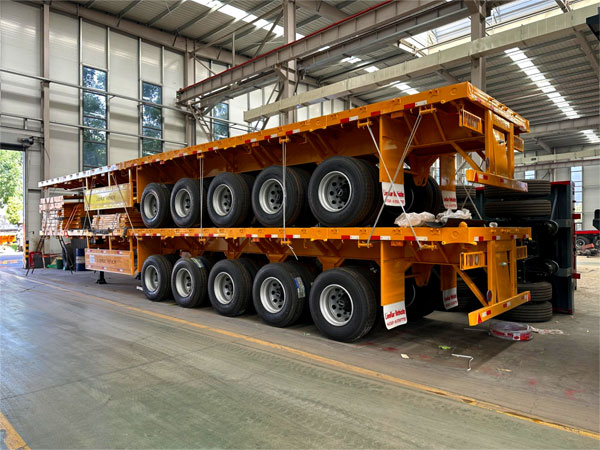
Lionkar manufactures fixed, gooseneck, and adjustable skeletal trailers for different container sizes, payload requirements, tractor configurations, and destination-market requirements.






A skeletal trailer, also known as a skel trailer, skelly, or container chassis, is a specialised semi-trailer designed to transport ISO shipping containers. Instead of a full loading deck, it uses a chassis frame with defined support points and container locks to position and secure the container during transport.
Skeletal trailers are commonly used for moving containers between ports, terminals, rail yards, warehouses, and inland destinations. The required chassis configuration depends on the container sizes being handled, required payload, tractor coupling height, route conditions, and local vehicle requirements.
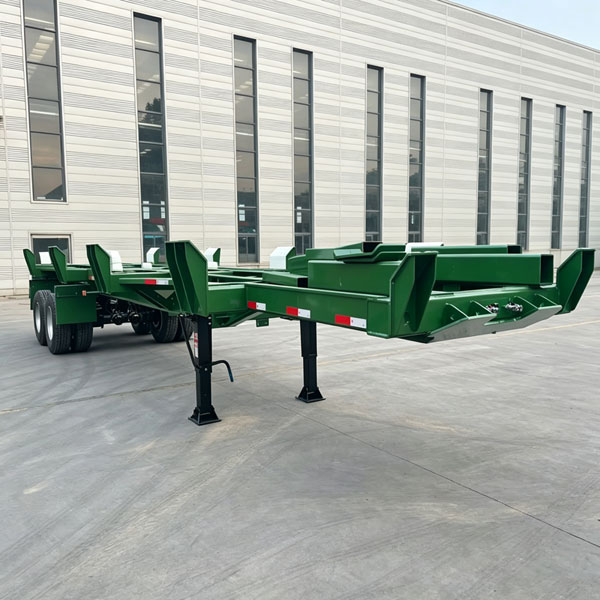
2-Axle SeaPort Container Trailer
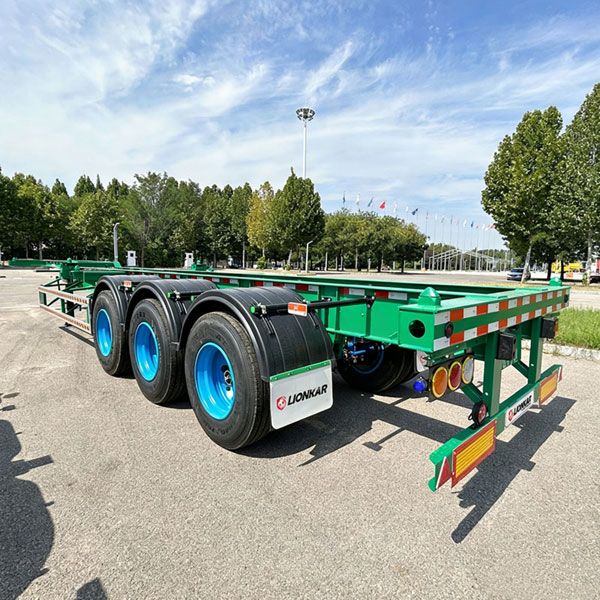
3-Axle 40 ft Skeletal Trailer
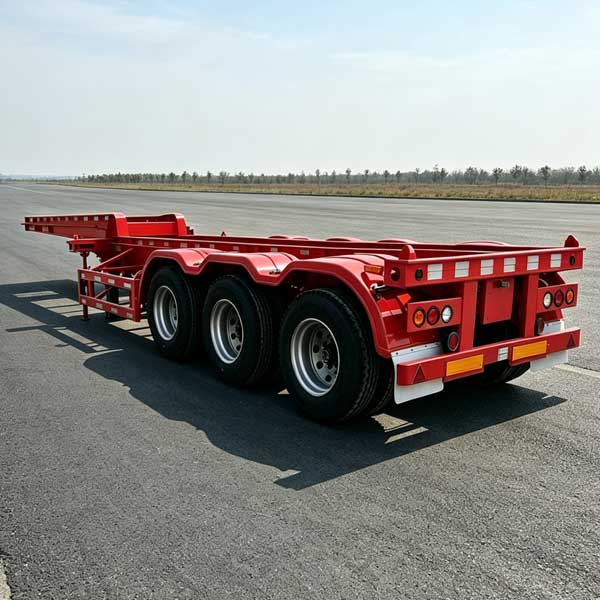
Gooseneck Skeletal Trailer
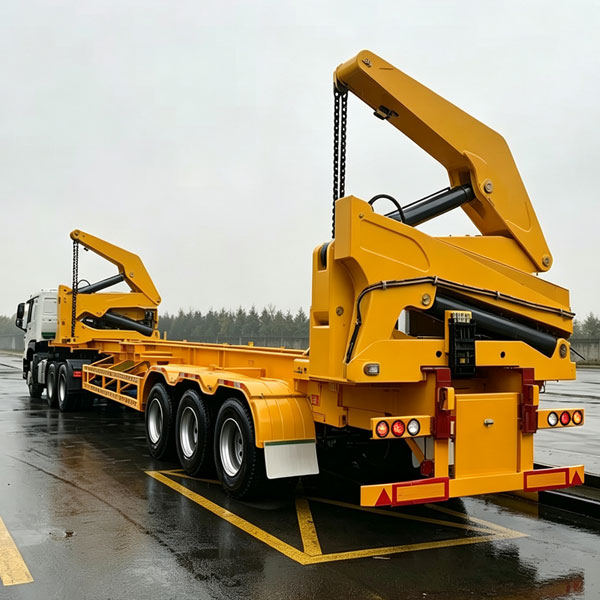
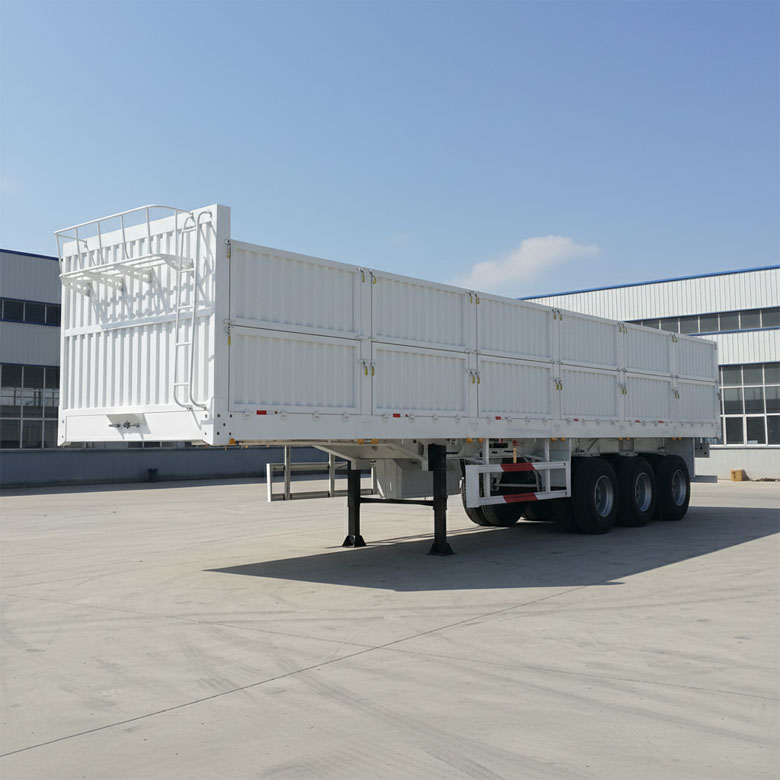
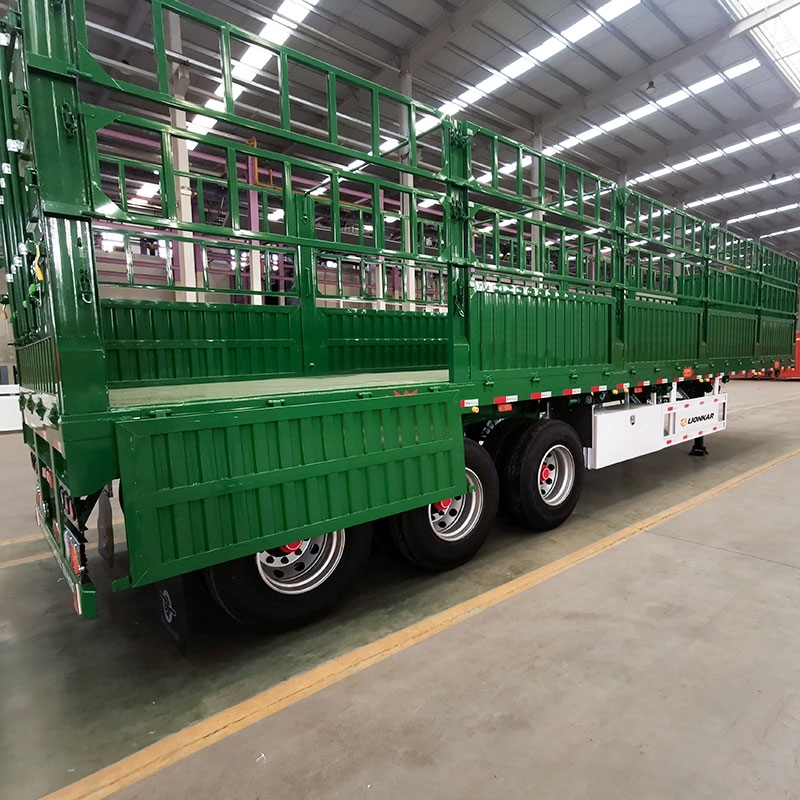
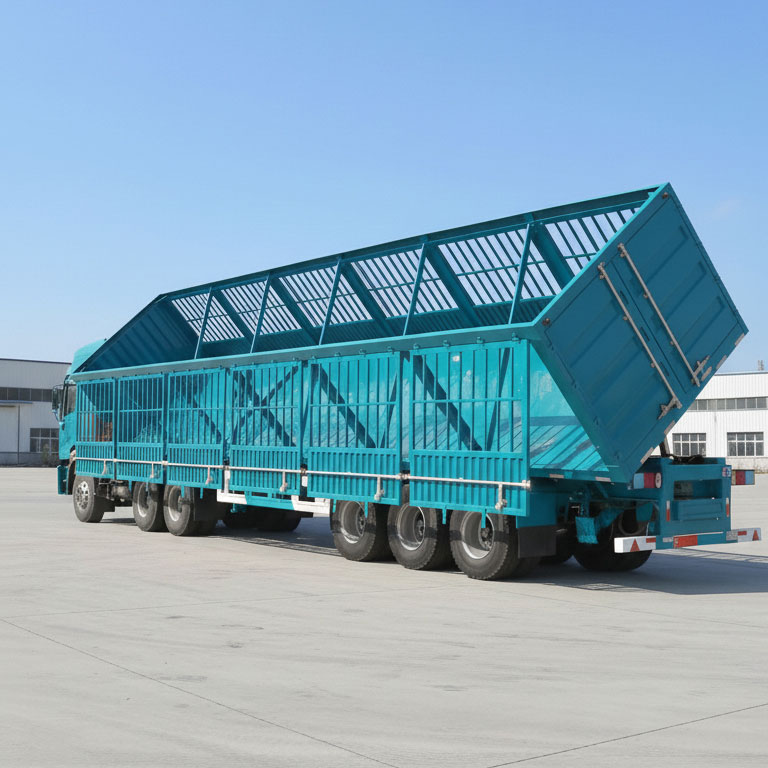
Side Loader Semi Trailer
The specifications below represent typical Lionkar skeletal trailer configurations. Final dimensions, tare weight, payload capacity, axle layout, container lock positions, and suspension options may vary according to project-specific requirements.
| Specification | Typical / Available Configuration |
|---|---|
| Product Type | Skeletal Trailer |
| Container Compatibility | 20 ft, 40 ft, and 45 ft ISO shipping containers, depending on chassis configuration |
| Container Applications | Dry freight, high-cube, and reefer containers; tank container applications subject to project review |
| Chassis Configuration | Fixed, gooseneck, sliding, retractable, or project-specific skeletal chassis |
| Axle Configuration | 2-axle, 3-axle, or project-specific axle layouts |
| Axle Rated Capacity | 13 t or 16 t per axle |
| Payload Capacity | Confirmed based on container gross weight, chassis design, axle layout, tire capacity, and destination regulations |
| Tare Weight | Varies according to chassis length, structural design, axle configuration, and installed equipment |
| Overall Dimensions | Configured according to container size, chassis layout, tractor combination, and applicable vehicle-dimension limits |
| Fifth-Wheel Height | Matched to the tractor fifth-wheel height and required loaded vehicle height |
| Suspension | Mechanical leaf-spring suspension or air suspension |
| Kingpin | 2-inch or 3.5-inch bolt-in kingpin, selected according to tractor compatibility |
| Container Securing | Twist-lock quantity and positions configured for the required container sizes and loading combinations |
| Braking System | Dual-line pneumatic braking system; ABS or EBS available according to destination requirements |
Customisation note: Any custom configuration remains subject to engineering review and target-market requirements.
Alongside specifications and photographs, video offers another perspective on the Skeletal Trailer and reflects our preference for documenting products and manufacturing in a straightforward, practical manner.
Lionkar provides recommended configurations for common container transport operations. For many standard applications, a recommended configuration can serve as the starting point for quotation and technical review.
| Main Transport Requirement | Usually Suitable Option | Key Point to Confirm |
|---|---|---|
| Mainly one 20 ft container | Dedicated 20 ft chassis or a multipurpose chassis with a specified 20 ft position | Container position and axle-load distribution, especially for heavy 20 ft containers |
| Mainly one 40 ft container | Dedicated fixed 40 ft chassis | Compatibility with the required 40 ft container type, including gooseneck tunnel clearance where applicable |
| Two 20 ft containers | Chassis designed for a 2 × 20 ft configuration | Intermediate locks, structural support, and axle-load distribution |
| Either one 40 ft container or two 20 ft containers | Multipurpose chassis designed for both configurations | Both container configurations shown on the technical drawing |
| Both 40 ft and 45 ft containers | Extendable or telescopic chassis designed for both lengths | Overall length, rear overhang, and legal compliance in each operating position |
| Tunnel containers or operations with strict loaded-height limits | Compatible gooseneck chassis | Container tunnel dimensions, fifth-wheel height, and total loaded vehicle height |
A dedicated chassis may be the simpler and lighter choice when container requirements remain stable. An adjustable or multipurpose chassis is more suitable when one trailer must handle several specified container configurations or operating positions.
Important:
Confirm the container sizes, types, and loading combinations required for your operation.
The maximum loaded container weight is equally important. A heavy 20 ft container creates a more concentrated load than a longer container and may require a specific loading position, axle arrangement, or chassis layout.
The recommended configuration is suitable when its twist-lock positions, payload rating, and load distribution cover all required container combinations.
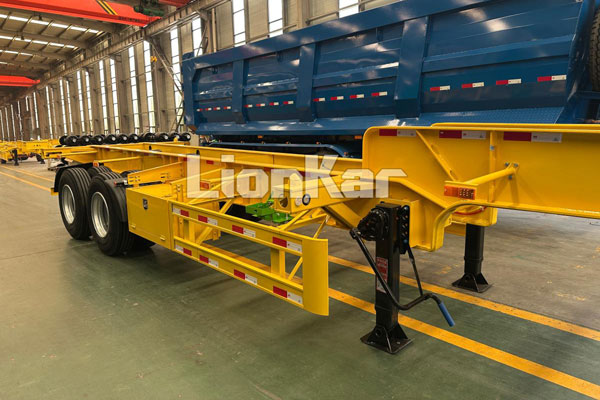
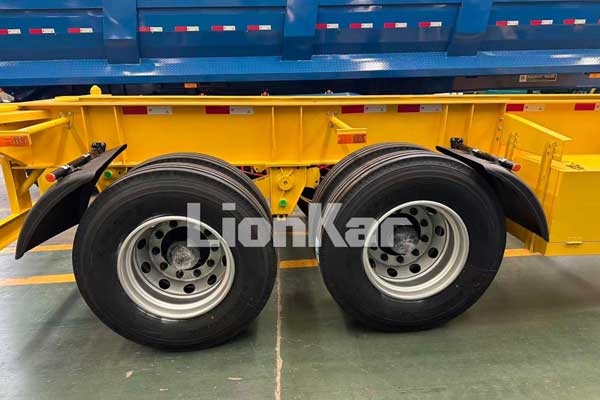
Determine whether the recommended fixed, adjustable, sliding, or gooseneck chassis matches your operating model.
A fixed skeletal trailer may be suitable when the same container size and loading position are used regularly. Adjustable or sliding configurations may be preferable when one trailer must carry several container lengths or loading combinations.
A gooseneck configuration should be selected only when the container tunnel, tractor fifth-wheel height, and overall loaded vehicle height are compatible.
Axle quantity and position should be evaluated as part of the complete tractor–trailer combination rather than selected from payload alone.
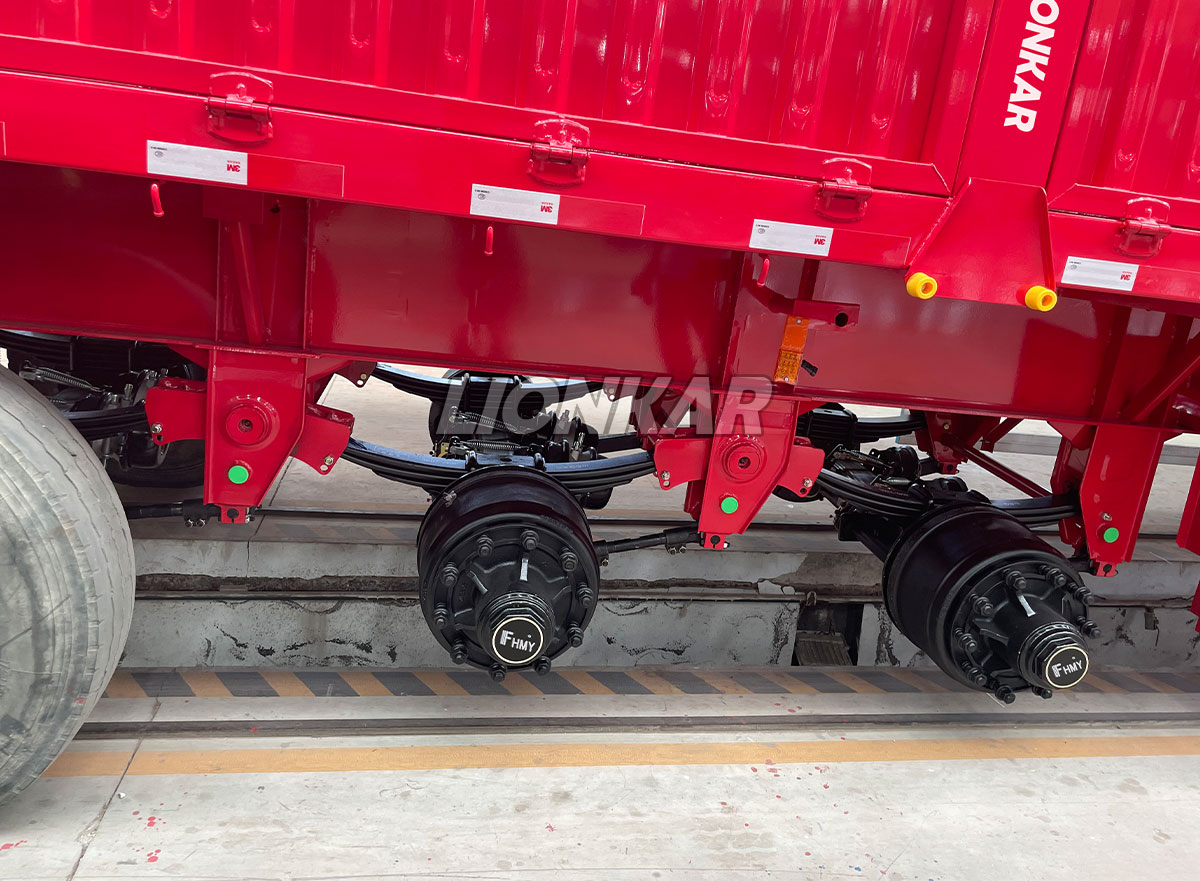
The recommended axle, suspension, tire, rim, and braking configuration should be checked against the loaded container weight, container position, local axle-load limits, road conditions, and braking requirements. Component brands and local spare-parts availability may also be considered.
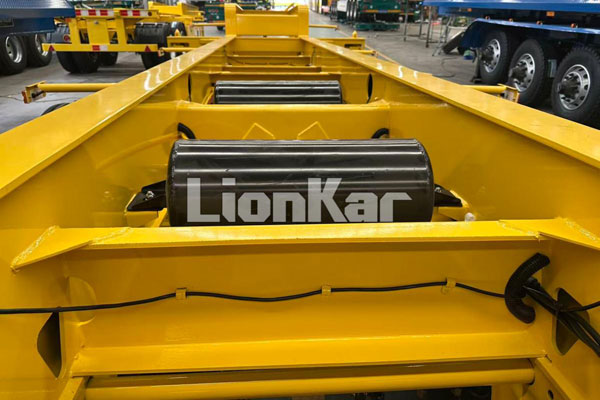
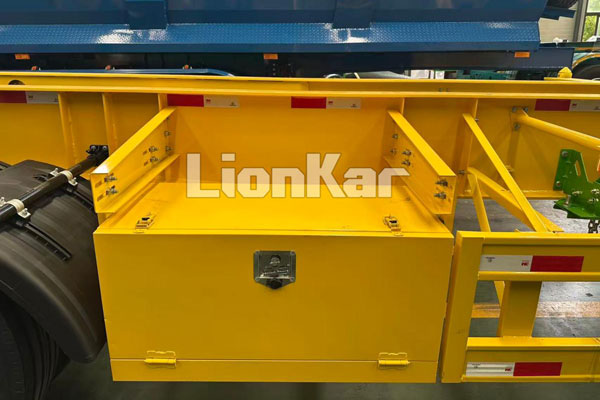
Consider container change frequency, port or highway operation, rough-road use, loaded and empty running, adjustment requirements, local maintenance capability, spare-parts availability, corrosion exposure, and expected service conditions.
These factors do not always require a custom design but may determine whether the recommended configuration should be retained or slightly modified.
Before the final specification is confirmed, please provide the destination market and available tractor information.
Local vehicle requirements may vary, so any known regulatory, certification, importer, or registration requirements should be shared where applicable. Tractor details such as the model, fifth-wheel height, or coupling requirements can also help confirm compatibility.
These points are normally reviewed during the final technical confirmation and do not need to be fully prepared at the initial enquiry stage.
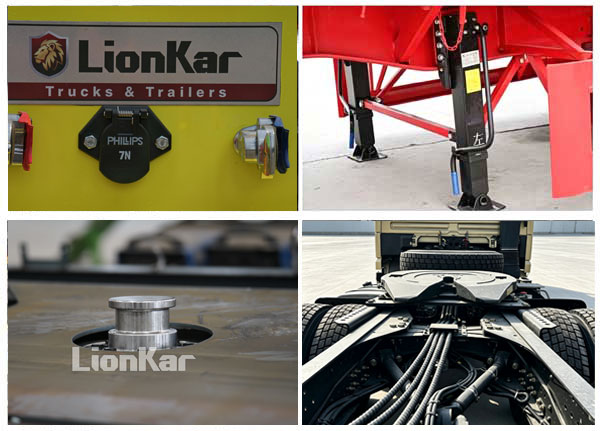
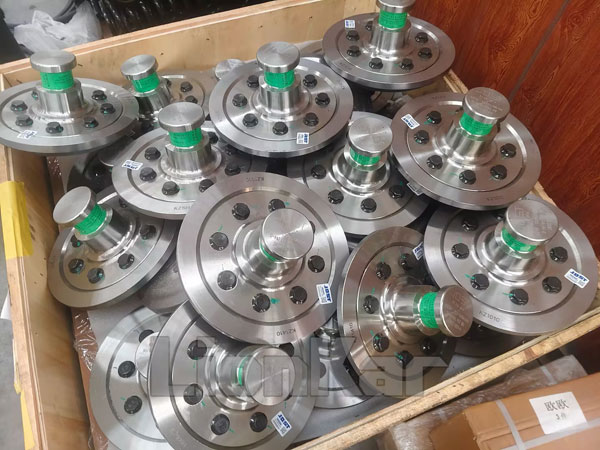
The components below form the main functional systems of a skeletal trailer. Each plays a role in supporting, securing, or operating the loaded trailer, while its specification is selected according to the trailer configuration, container loads, operating conditions, and destination requirements.
Lionkar is a China-based manufacturer of commercial semi trailers, specializing in skeletal trailers and container transport solutions for international markets. Our trailers are configured according to the container, tractor, operating, and destination-market requirements of each project.
Every Skeletal Trailer is built through a structured manufacturing process in which materials, components, and manufacturing expertise come together to create the finished trailer. The completed trailer then undergoes final inspection before being prepared for dispatch.
Every Skeleton Trailer project involves more than manufacturing alone. Technical discussions before production, specification confirmation, and ongoing support after delivery all form part of the same process. Throughout each stage, communication is based on the agreed technical specification, while applicable service arrangements, warranty terms, and spare-parts commitments are defined in the corresponding contract or order documentation.
A skeletal trailer is for transporting ISO containers across ports, terminals, logistics hubs, and inland routes. Different container types place different demands on the trailer, so the chassis layout and locking arrangement are selected around the way each container is used in everyday transport.
For more details, please refer to our Skeletal Trailer Dimensions page.
Standard dry containers are the most common units in container transport, carrying everything from consumer goods to industrial cargo. Because the container itself provides the cargo enclosure, a skeletal trailer only needs to support and secure the container frame.
Refrigerated containers include an integrated cooling unit that occupies additional space at one end of the container. A skeletal trailer can be arranged to provide the necessary clearance while maintaining the standard container locking system.
ISO tank containers transport liquids, chemicals, and other bulk products inside a standard ISO frame. Although the outside dimensions remain familiar, the load behaves differently from packaged cargo.
Heavy 20 ft containers are often chosen for dense cargo because they make efficient use of available payload. Their shorter length concentrates more weight within a compact area of the chassis.
Tell us about your container types, operating conditions, and preferred specifications. We’ll work with you to develop a skeletal trailer that matches your transport requirements.
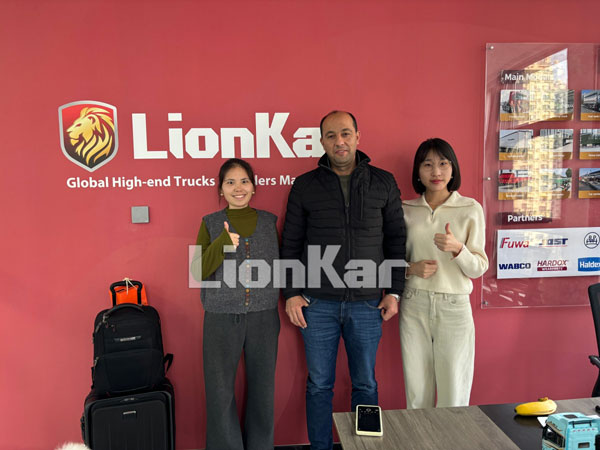
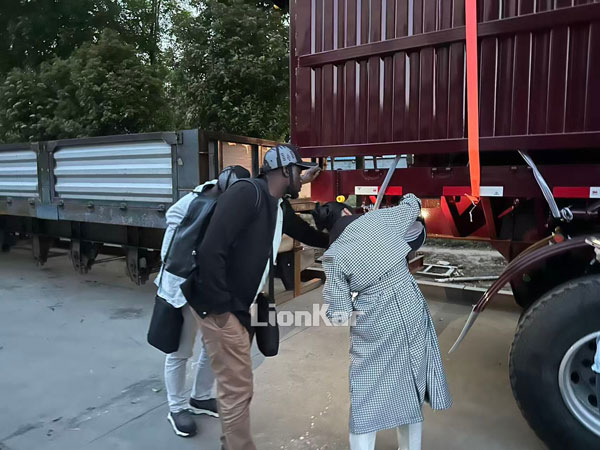
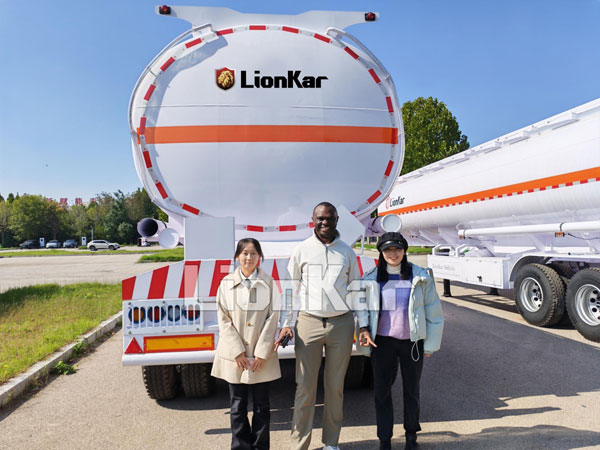
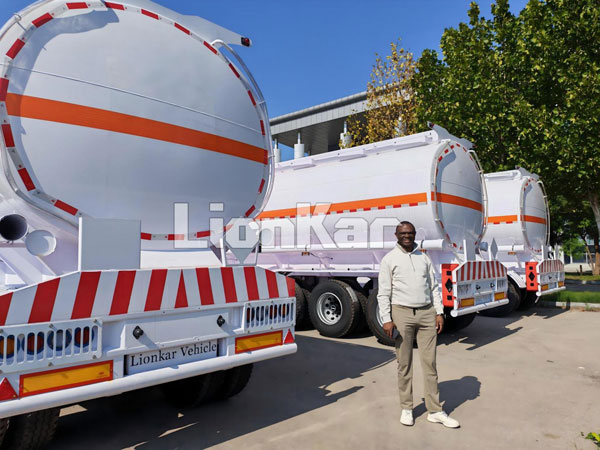
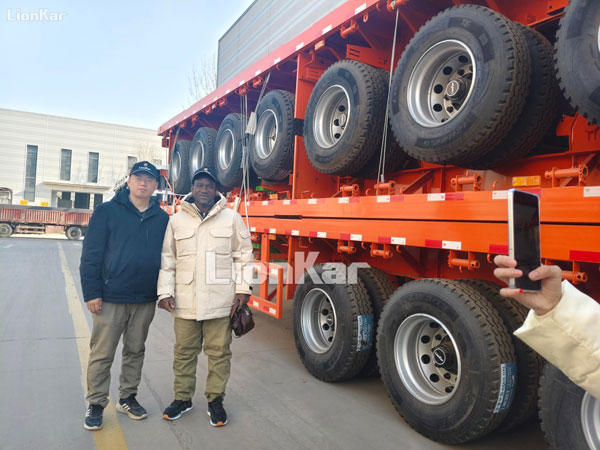
Feedback may be shared at different stages of a project, including factory visits, product discussions, inspections, and completed deliveries. Together, these experiences reflect different aspects of customer interaction with Lionkar, covering Skeletal Trailers and other commercial trailer projects.
Factory visits provide an opportunity to discuss the Skeletal Trailer in greater detail, from technical requirements and configuration choices to production planning and pre-production inspection arrangements.
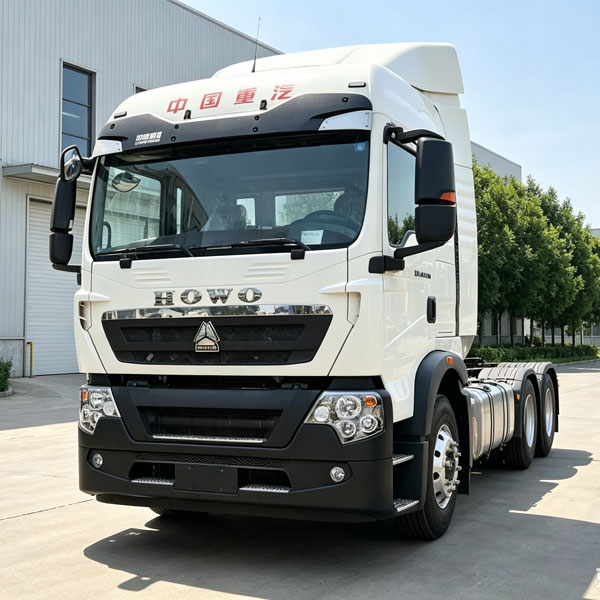
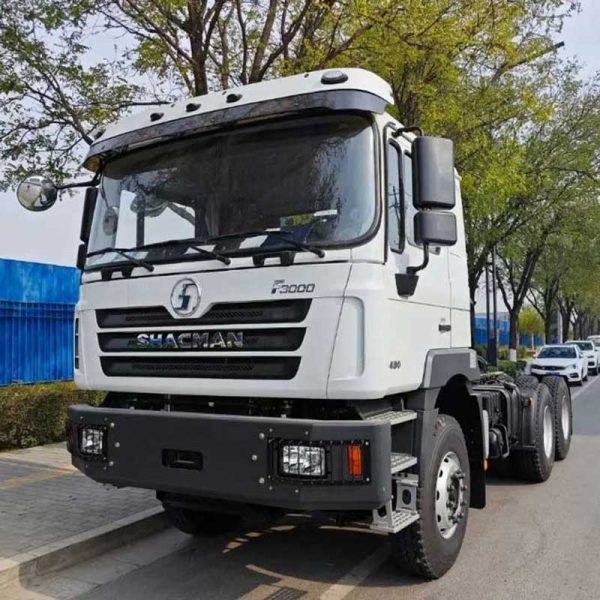

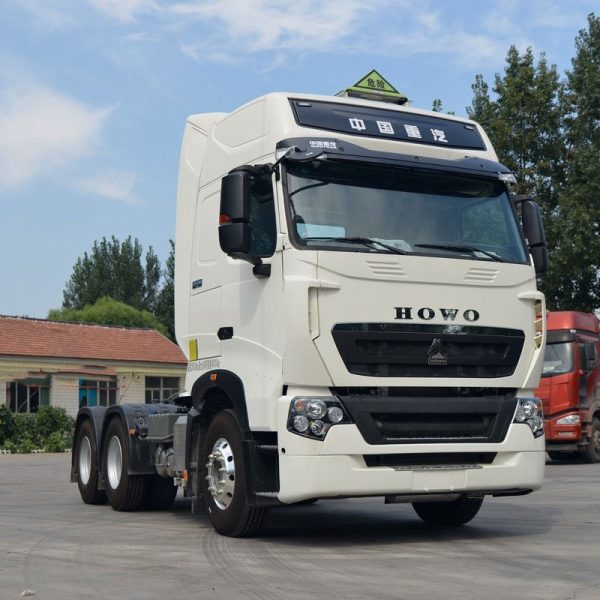
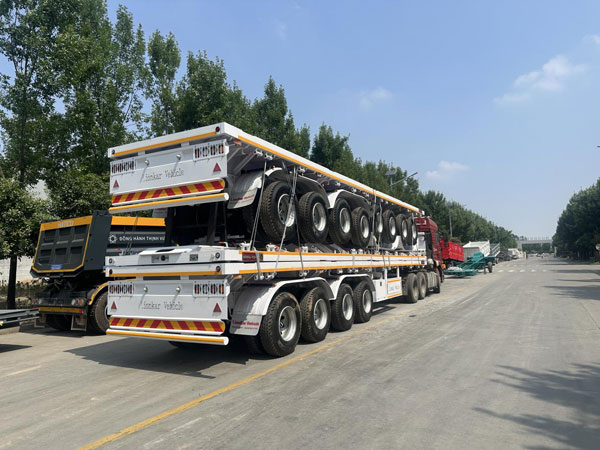
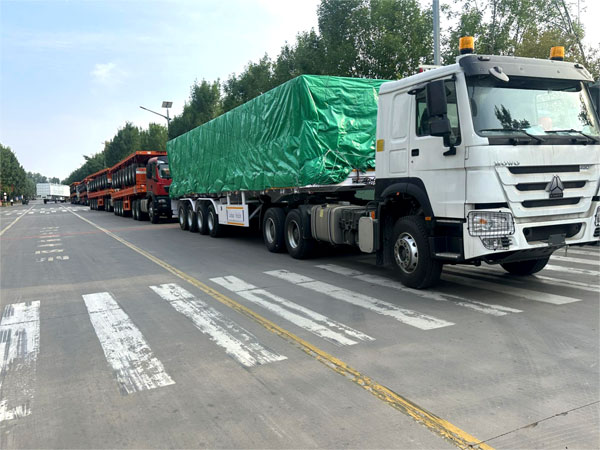
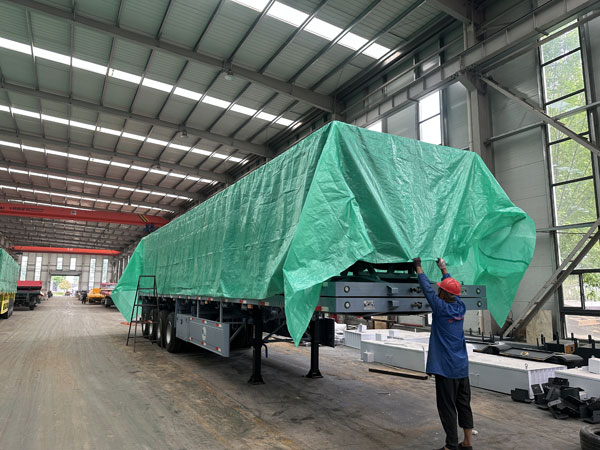
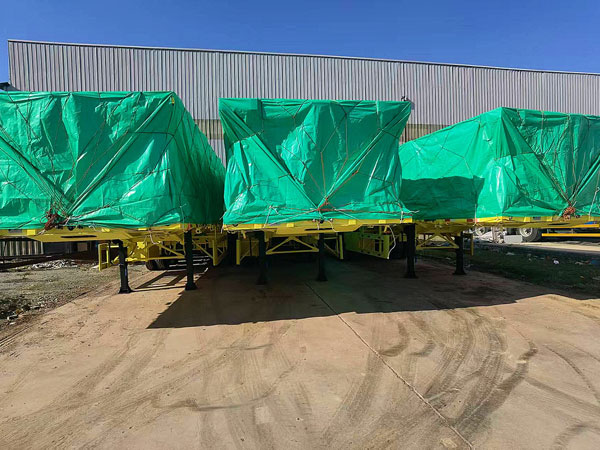
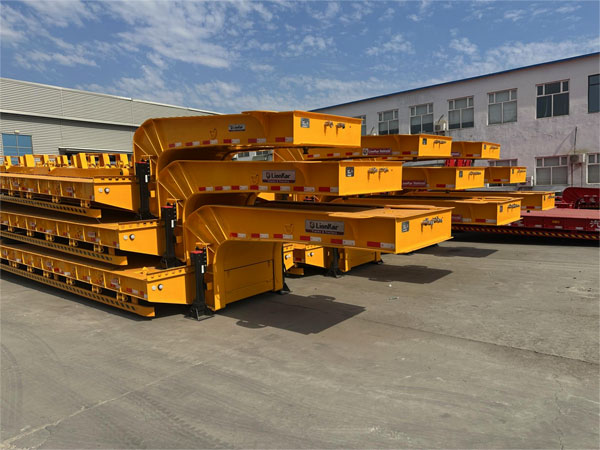
Preparing a Skeletal Trailer for shipment is an important part of the export process. Depending on the shipping method, trailers may be secured, protected, and prepared for loading according to the transport requirements.
Every container transport operation is different, but some questions come up more often than others.
We usually review the container type, payload requirements, loading conditions, tractor fifth-wheel height, destination regulations, and operating environment before recommending a suitable skeletal trailer configuration.
As a preliminary reference, a 2-axle skeletal trailer may be suitable for container gross weights of approximately 20–30 tonnes, while a 3-axle configuration may be considered for approximately 40–50 tonnes.
These are indicative engineering reference ranges rather than universal limits. The final selection depends on the specific chassis design, trailer tare weight, axle and kingpin load distribution, tractor capacity, and the applicable gross-weight and axle-load regulations in the destination market.
Yes. Lionkar can configure the chassis length, twist-lock layout, axle arrangement, and other specifications to suit the required container sizes, loading combinations, tractor setup, operating conditions, and destination-market requirements. The final configuration is confirmed during the technical review before production.
The standard production lead time is approximately 15–20 working days once the deposit has been received and the final technical specifications have been confirmed. The actual lead time may vary depending on the trailer model, configuration, and order quantity, and will be confirmed for each project.
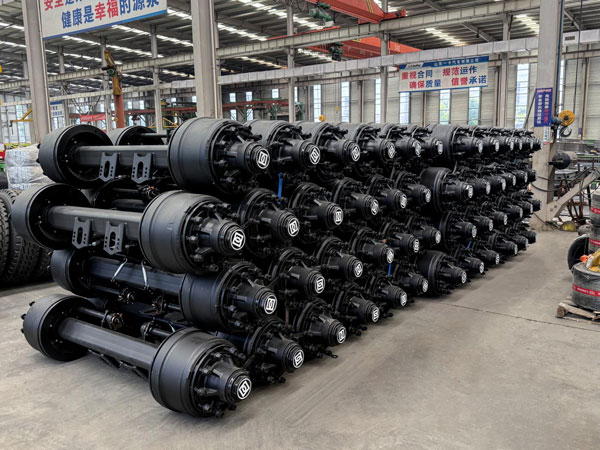
Key components such as axles, suspension, braking systems, and landing gear can be specified according to the selected trailer configuration, operating requirements, customer preferences, and destination-market standards.
Buy directly from Lionkar for custom-built trailers and better control over your sourcing costs.

Reach us on WhatsAppThe following content will also be sent to WhatsApp