

- Maintenance and Repairs
- Warranty Support
- Replacement Parts
Lionkar Cement Bulker Trailers are built for cement plants, terminals, batching plants, warehouses, construction projects, and infrastructure sites, with 30–80 CBM configurations for different operating requirements.




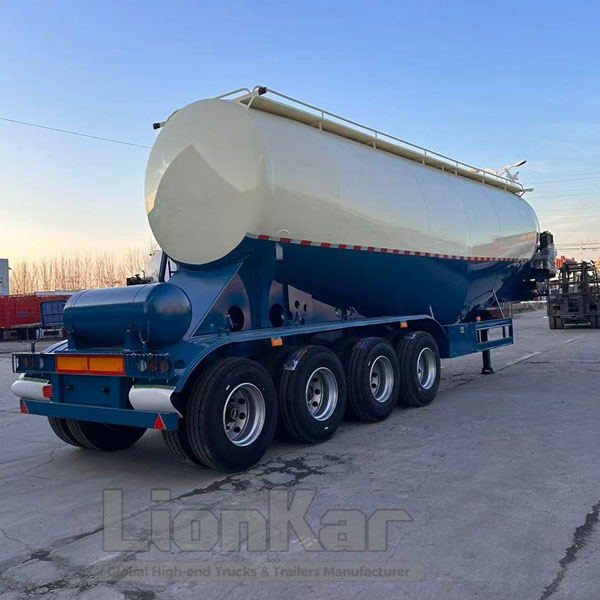
A cement bulker trailer is a pneumatic dry bulk semi trailer used to transport bulk cement in a sealed tank and discharge it into silos using compressed air. It is also called a cement tanker trailer, bulk cement trailer, cement silo trailer, pneumatic cement trailer, or dry bulk cement trailer.
The structure of a classical cement bulker trailer includes the sealed tank body, chassis, air compressor, power unit, pneumatic piping, fluidized bed, and discharge system. During unloading, compressed air fluidizes the cement powder and blows it through the discharge pipeline. This design makes powder materials such as cement can be transported in an enclosed, high-volume sealed container with faster unloading, less manual handling, lower packaging demand, and reduced material loss.
Sealed tank body: The fully enclosed pressure vessel that stores bulk cement, with common V-type, W-type and multi-compartment structures
Heavy-duty chassis: Load-bearing frame with heavy-duty axles, adapting to both highway and harsh unpaved working conditions
Power & unloading system: Independent power unit, high-performance air compressor, and complete pneumatic piping network
Discharge assembly: Specialized fluidized bed and discharge pipeline, which is the core component to realize powder fluidization
Lionkar offers both V-Type single-silo and W-Type double-silo cement bulker trailers. The right structure mainly depends on required capacity, operating efficiency, and trailer configuration.
V-Type — Single Silo for Standard Capacity 25–45 CBM
The V-Type uses a simple single-silo structure with material flowing toward one main discharge area. It is commonly used for 30–45 CBM cement bulkers, offering a compact structure, lower complexity, and good cost efficiency for standard cement transport.
W-Type — Double Silo for Larger Capacity 46–80 CBM
The W-Type divides the tank into two main storage sections, creating shorter material flow paths within a larger tank. It is commonly used for 46–80 CBM configurations, making it more suitable when greater tank volume and efficient pneumatic unloading are required.
Lionkar help buyers choose the right 25–80 CBM cement bulker semi trailer according to cargo weight, density, road conditions and transport requirements.
| Key Specification | Available Range / Options |
| Tank Capacity | 25–80 CBM |
| Payload | 30–50 Tons |
| Axles | 2 / 3 / 4 Axles, FUWA / BPW or equivalent available |
| Tank Type | V Type / W Type / Single or Multi-Silo |
| Tank Material | Carbon Steel / High-Strength Steel / Optional Stainless Steel or Aluminum |
| Tank Shell Thickness | Approx. 4–5 mm, selected according to tank size and structural design |
| Main Beam / Chassis | Heavy-duty high-strength steel structure |
| Suspension | Mechanical / Air Suspension |
| Air Compressor | Single / Double-Cylinder |
| Compressor Drive | Onboard Diesel Engine / Tractor PTO |
| Working Pressure | Typically around 0.2 MPa |
| Brake System | Pneumatic braking, WABCO or equivalent components available |
| Landing Gear | JOST or Equivalent |
| Kingpin | 2″ / 3.5″, JOST or Equivalent |
Customisation note: Any custom configuration remains subject to engineering review and target-market requirements.
Browse the dry cement bulker trailer videos below to explore trailer design, structural details, equipment configuration, product features, and general trailer information related to this model.
A fully loaded dry cement bulker is exposed to continuous payload stress, repeated vibration and road impact. Lionkar focuses on structural load distribution, weld consistency and reliable running components to support long-term operation on demanding roads.
Main beams, cross members and tank supports work together to distribute payload and road stress across the chassis, reducing excessive force at critical connection points. Controlled welding and weld inspection help maintain consistent joints in high-stress areas, reducing the risk of deformation, fatigue and cracking during repeated heavy-load operation.

The suspension helps absorb impact from potholes, uneven surfaces and unpaved roads, reducing repeated shock transferred to the chassis and tank supports. Reliable axles, braking components and other key running parts are selected to maintain stable performance under frequent loading, long-distance transport and demanding road conditions.

LionKar has horizontal powder tankers and vertical powder tankers.
There are two kinds of bedroom powder tankers, W-type powder tanker and V-type powder tanker, and V-type is more common.
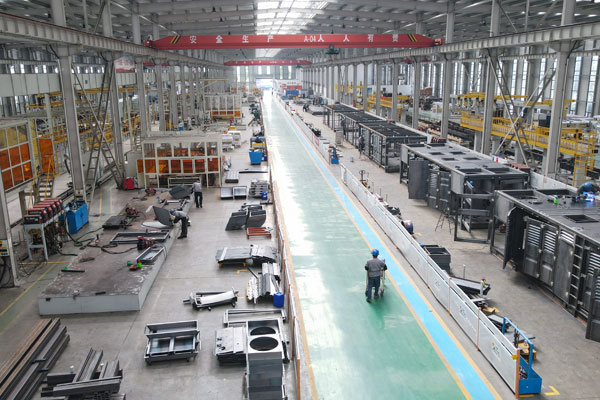
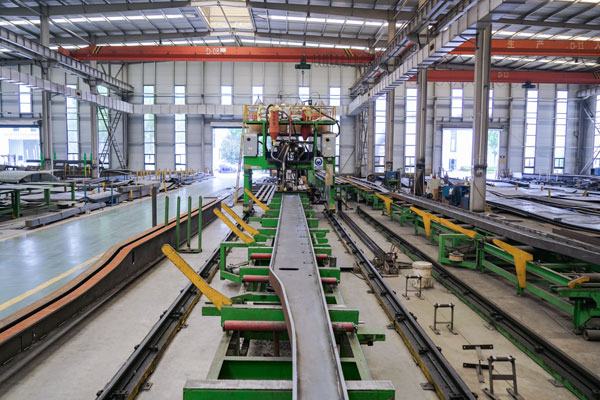
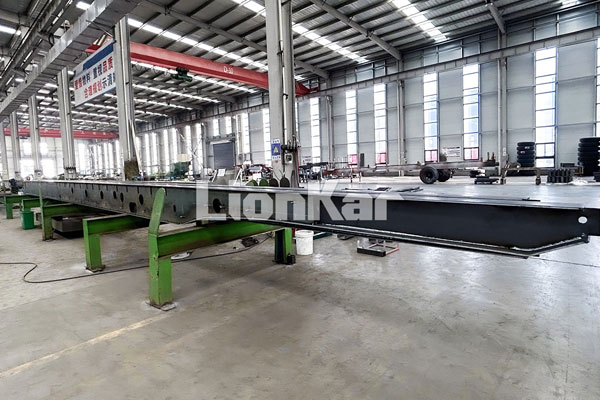
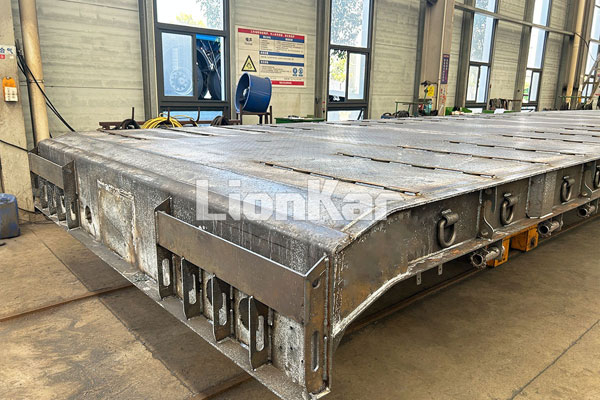
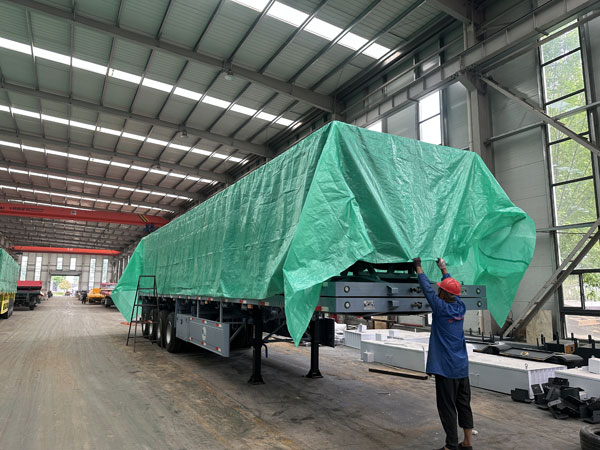
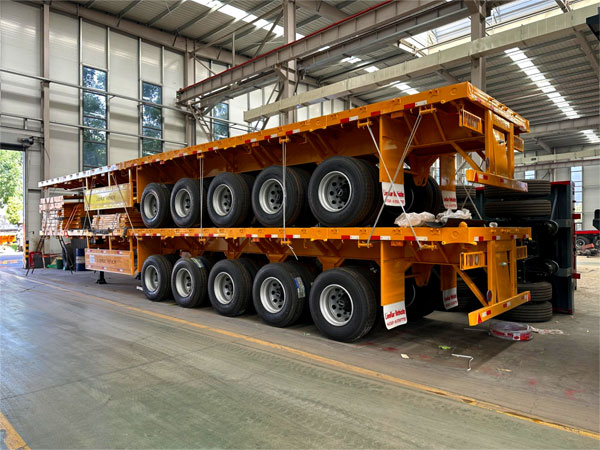
In LionKar factory, we manufacture dry cement bulker trailer units for customers requiring practical cargo transport solutions. Our production covers trailer fabrication, structural configuration, technical specifications, component selection, and standard manufacturing processes for different dry bulk material transport requirements.
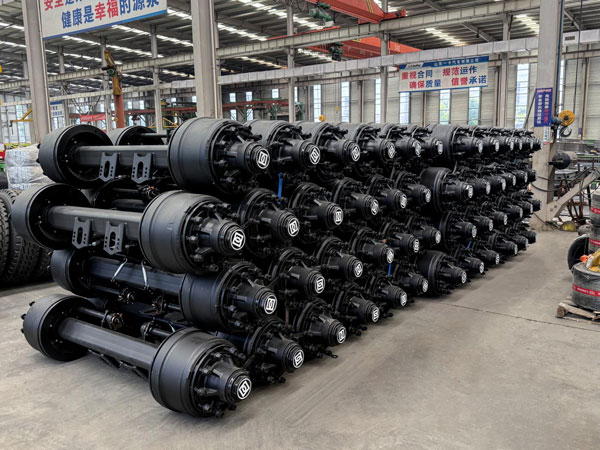
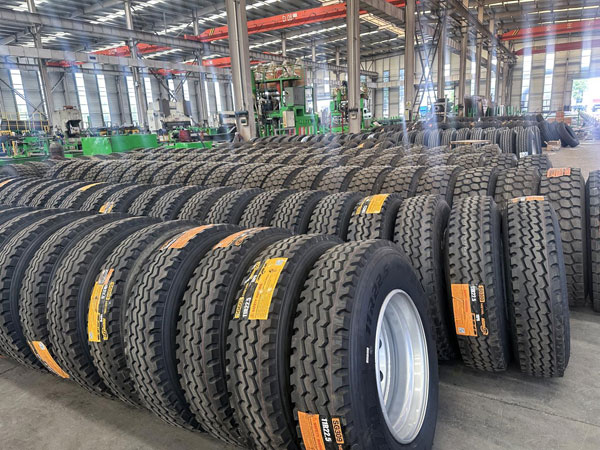
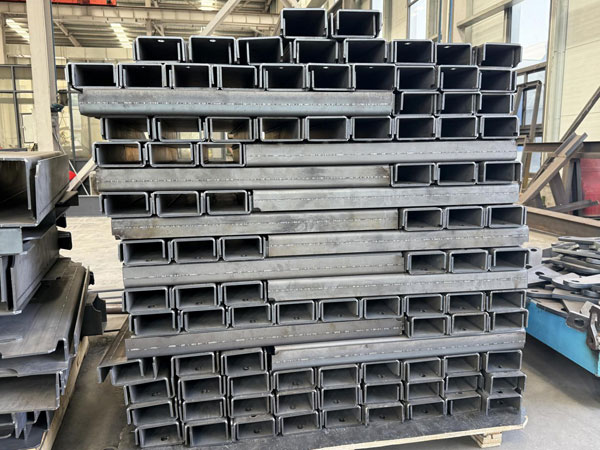
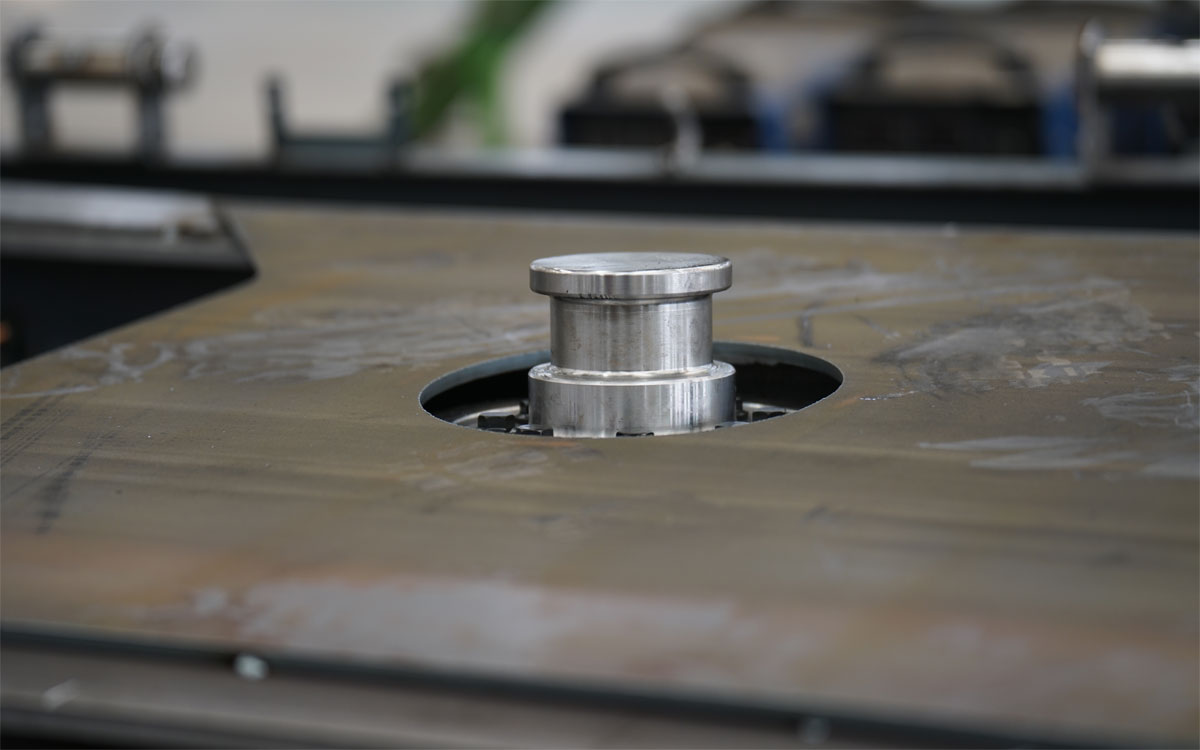
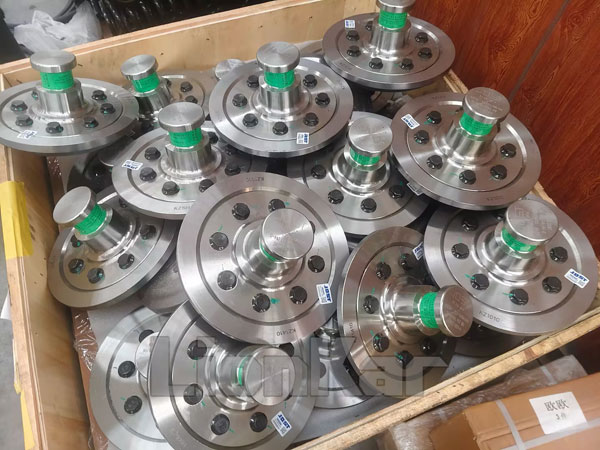
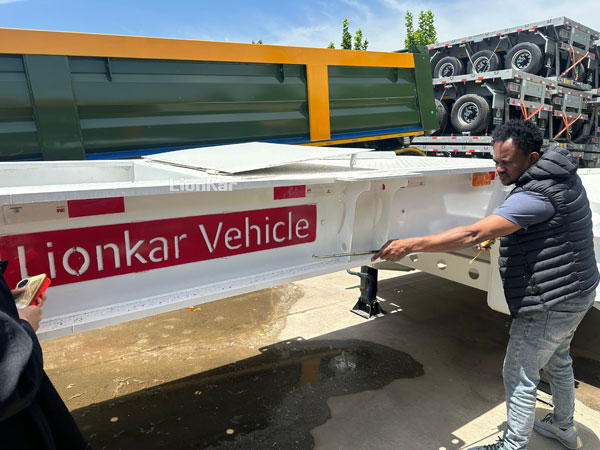
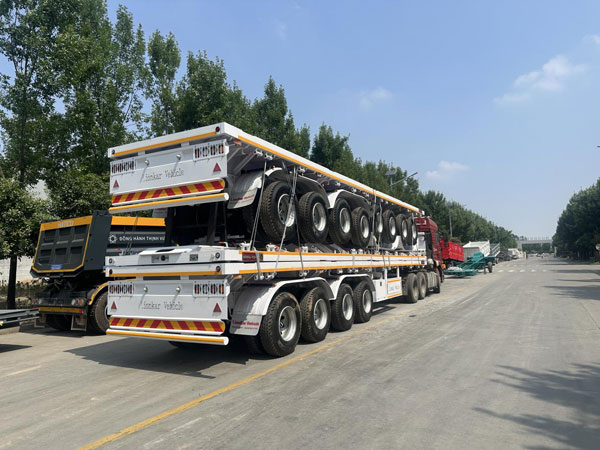
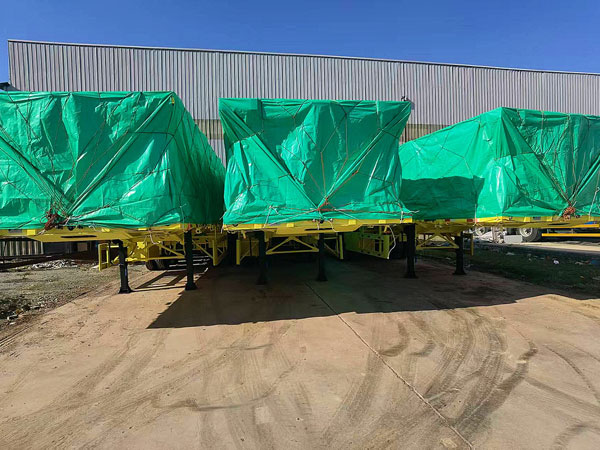
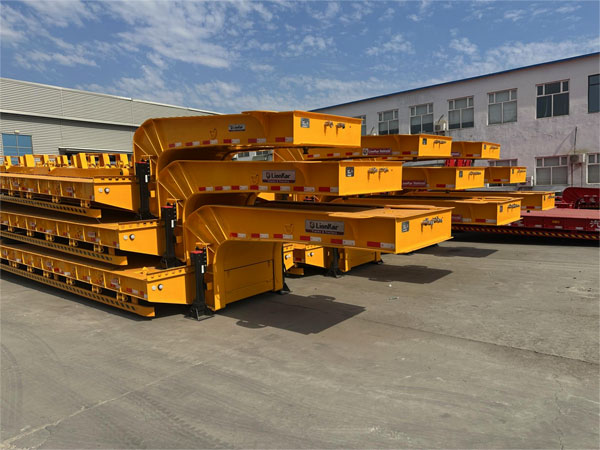
As a professional China semi trailer manufacturer, our factory photos provide a closer look at the dry bulker semi trailer structure, including the main frame, axle assembly, suspension system, landing gear, king pin, wheel components, surface finishing, and completed trailer details for overall product reference.
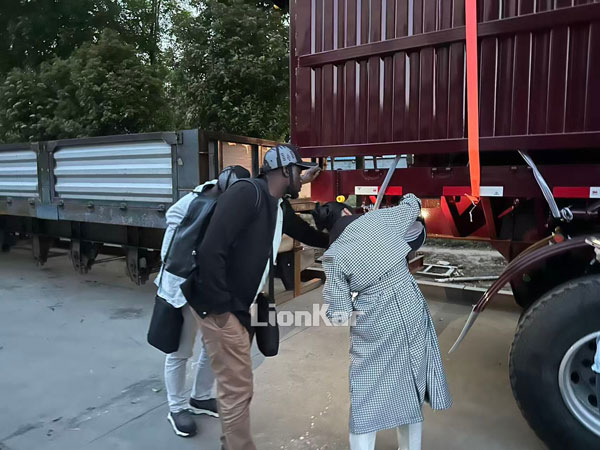
After delivery, cement trailer service may include follow-up support related to spare parts supply, component replacement, maintenance requirements, and technical information for standard trailer systems. This commonly involves axle assemblies, suspension parts, landing gear, king pin components, lighting systems, and fence structure accessories.
Cement bulker trailers are designed for dry, fine powders that can be fluidized and discharged by compressed air, including cement, fly ash, lime powder and compatible mineral powders. Tank capacity should be matched to material bulk density: heavier powders may reach the legal payload or GVW limit before the tank is full, while lighter powders may reach the tank’s volume limit first.
The cement bulker trailer, also known as a cement tanker trailer, transports bulk cement between cement plants, terminals, warehouses and distribution centers. Its sealed tank protects cement from moisture and dust contamination while allowing direct pneumatic discharge into storage silos.
The cement silo trailer or pneumatic cement trailer delivers bulk cement to batching plants, precast concrete facilities and infrastructure projects. Pneumatic unloading transfers cement directly into site silos, reducing bag handling and improving material supply efficiency.
The fly ash tanker trailer or powder tanker trailer transports fly ash, lime powder and similar fine building-material powders between power plants, processing facilities and storage sites. Enclosed transportation helps reduce dust, material loss and manual handling.
The dry bulk tanker trailer or bulk powder trailer can transport suitable ore powder, mineral powder and other compatible industrial powders. Tank capacity, payload and pneumatic configuration should be selected according to material density and flow characteristics for safe and efficient transport.
Tell us about your dry bulk cargo types, operating conditions, and preferred specifications. We’ll work with you to develop a dry bulk tank trailer that matches your transport requirements.
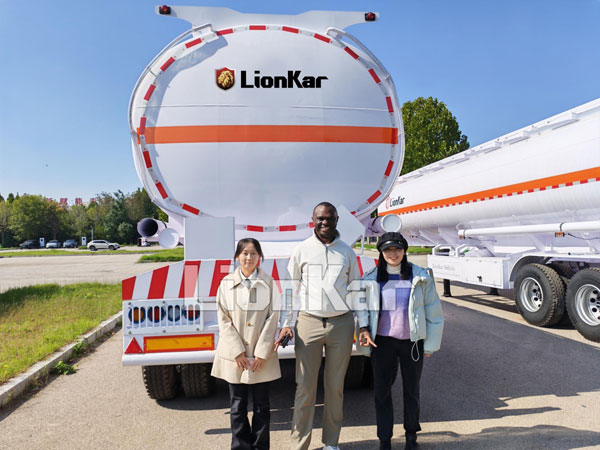
What customers say about their experience working with us on dry cement bulker trailer projects, from product quality and manufacturing details to communication, order process, and overall cooperation throughout the purchasing process.
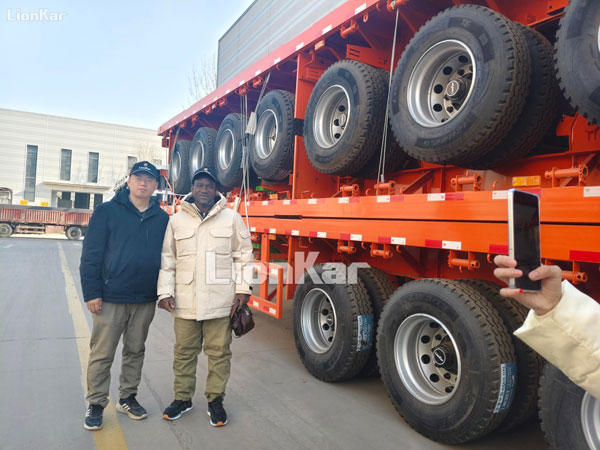
We believe that a transparent production process is the key to winning customer trust. LionKar sincerely invites you to visit our factory and experience the production environment and quality of the finished products of our dry cement pneumatic tanker semi-trailers.
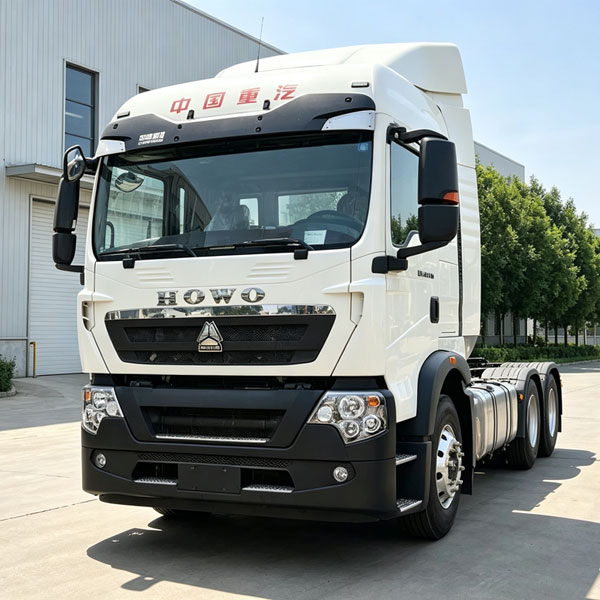
Sinotruk HOWO TX
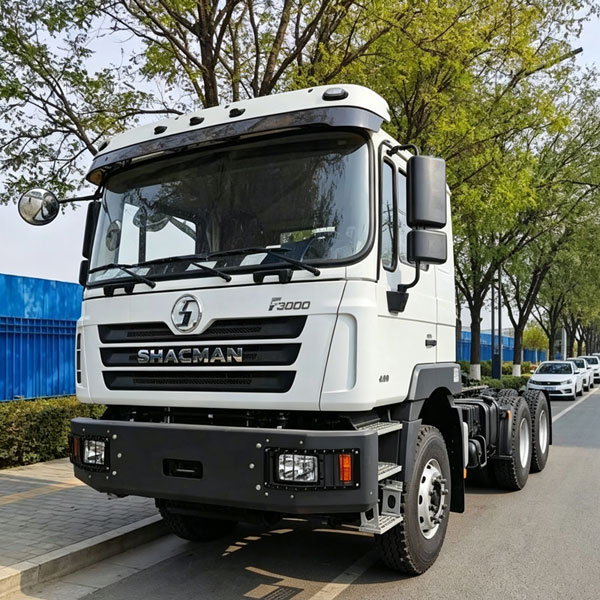
Shacman F3000
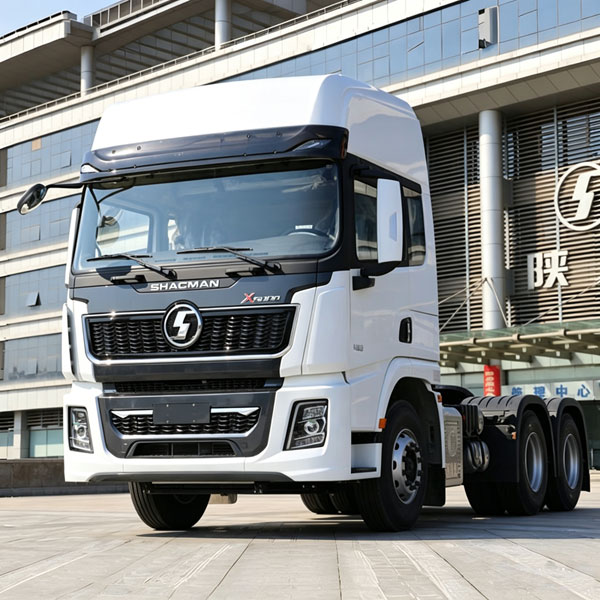
Shacman X5000
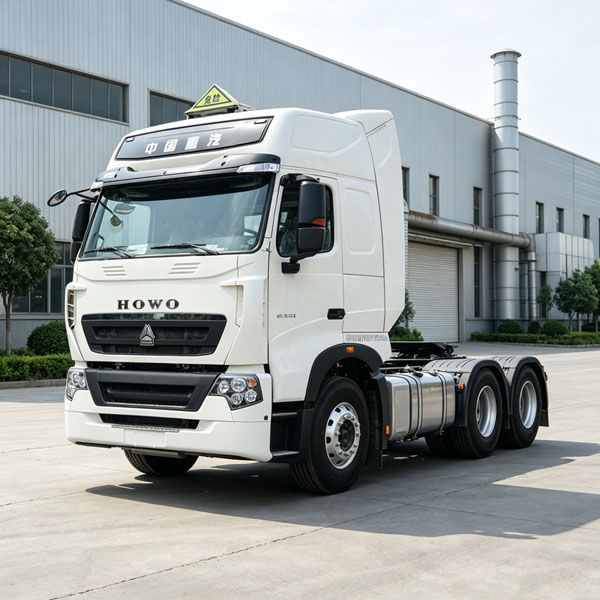
Sinotruk HOWO T7H
Before shipment, each cement bulker trailer is checked for weld integrity, pressure sealing and airtightness, with any detected defect repaired and retested before release. Manholes, valves and discharge openings are securely closed to help prevent moisture entering the tank, while exposed components are protected for long-distance sea transport.
Painted surfaces and key parts such as the engine and compressor receive additional anti-corrosion and waterproof protection as required. A final pre-shipment inspection confirms the tank, pneumatic system, chassis connections and transport protection before the trailer is cleared for delivery to the destination port.
The following questions cover common topics related to cement pneumatic tank structure, specifications, configuration options, and general product selection when comparing trailer requirements.
Actual unloading speed mainly depends on four factors:
* Air compressor output: High-flow units can reach 1.5 t/min, while low-power models may be limited to about 0.8 t/min.
* Tank design: A W-type dual-fluidized bed can discharge about 30% faster than a traditional single V-type structure.
* Operation: Steady pressure buildup maintains stable flow; sudden throttle changes can destabilize pressure.
* Piping: Too many 90° elbows increase resistance and may reduce unloading speed by over 20%.
Residual material can be controlled below 0.3% by
* Keeping the tank dry: Drain condensation regularly to prevent cement caking.
* Post-unload purging: Maintain 0.2 MPa pressure for another 2–3 minutes after discharge.
* Checking fluidized-bed fabric: Inspect every 3 months and replace hardened or blocked fabric.
* Avoiding overfilling: Keep about 10% free space to support proper fluidization and complete discharge.
Nearly all blockages can be prevented through proper inspection and operation:
* Filter incoming material: Use a 20-mesh screen to stop debris and large cement chunks.
* Check before unloading: Confirm valves are open and air pressure is stable.
* Handle compressor failure correctly: Close each bin’s inlet valve and use an external air source to clear the line.
* Clean pipelines regularly: Remove cement buildup about every 6 months to reduce flow resistance.
A three-level maintenance schedule can extend service life by over 3 years:
* Daily: Check compressor noise, pneumatic leaks and pressure gauges.
* Monthly: Retighten tank supports, inspect fluidized-bed fabric and drain the air reservoir.
* Annually: Clean internal residue, replace aged valve seals and recalibrate the safety valve to the standard 0.2 MPa working pressure.
Yes. It can transport dry powders that meet fluidization requirements.
* Suitable materials: Fly ash, lime powder, flour, talcum powder, mineral fines and other powders below 0.5 mm.
* Unsuitable materials: Wet, viscous, coarse or corrosive materials that may block the system or damage the tank.
* When changing cargo: Fully clean the tank and fluidized bed to prevent cross-contamination.
Loading capacity is limited by both tank volume and axle-load rules.
Ordinary cement has a bulk density of about 1.2–1.3 t/m³. A 40 CBM tank can theoretically hold about 48 tons; with an 8-ton tare weight, payload may reach about 40 tons where total-weight limits are less restrictive.
At 0.6 t/m³, the same tank holds only 24 tons when full. Above 1.5 t/m³, about 70% tank volume may already reach the axle-load limit.
Yes. Mainstream cement bulker trailer parts generally have strong global availability:
* Compressor parts: Common brands have broad service networks, with items such as piston rings and filters often available locally.
* Valves: Standard pneumatic butterfly, ball and safety valves are widely available industrial parts.
* Braking parts: Common semi-trailer brake pads and air chambers are highly interchangeable and generally easy to source.
Buy directly from Lionkar for custom-built trailers and better control over your sourcing costs.

Reach us on WhatsAppThe following content will also be sent to WhatsApp