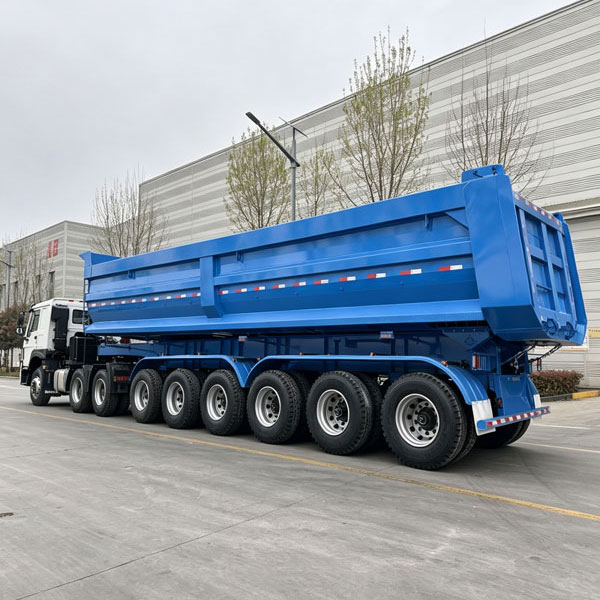
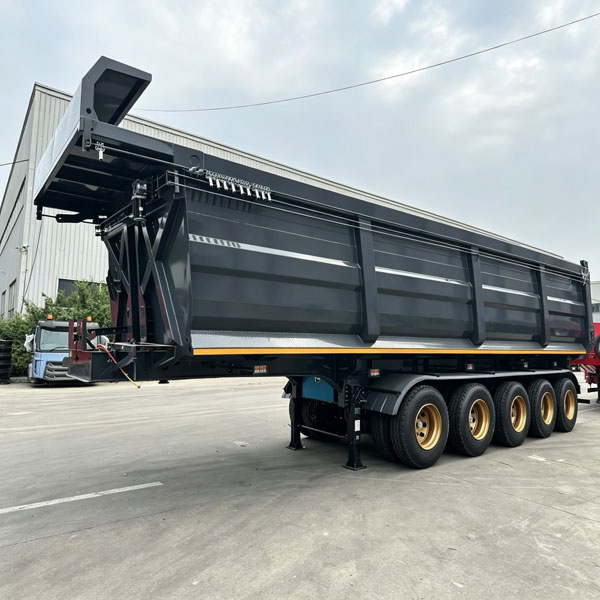
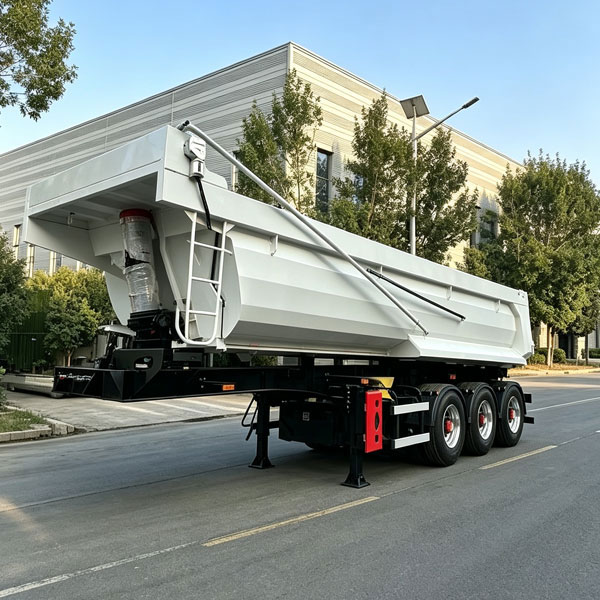
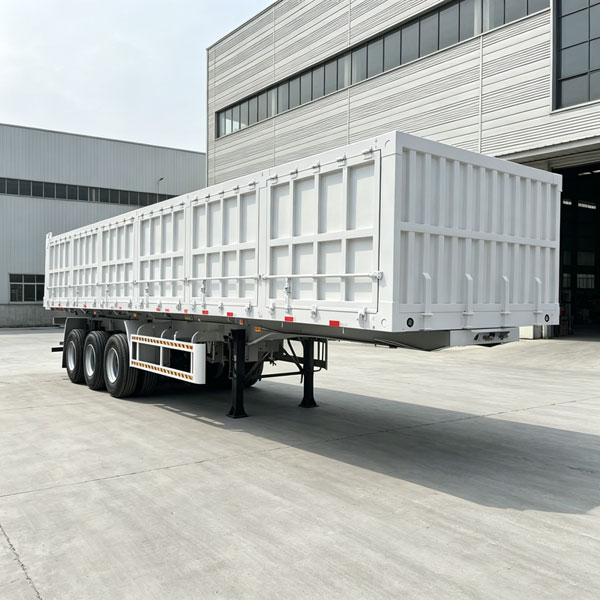
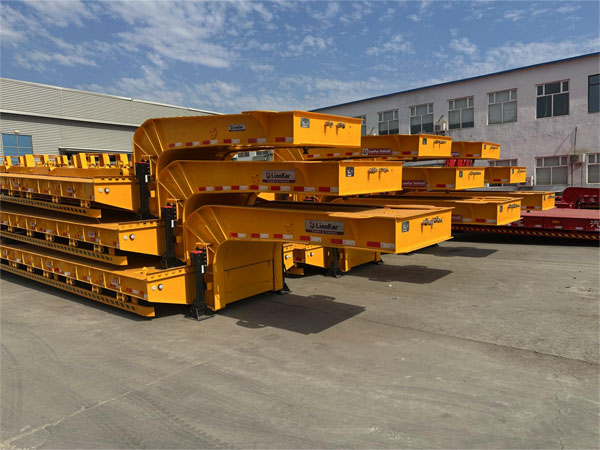
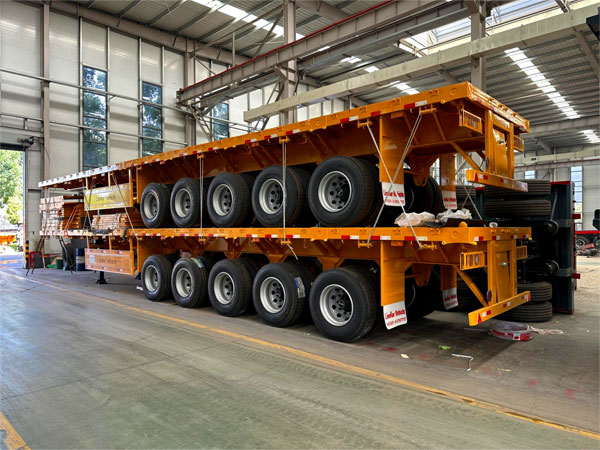
25–60 CBM, 30–80 Ton Rear Tipper Semi Trailers and Side Tipper Semi Trailers, engineered around your payload requirements, cargo type, unloading method, and operating conditions
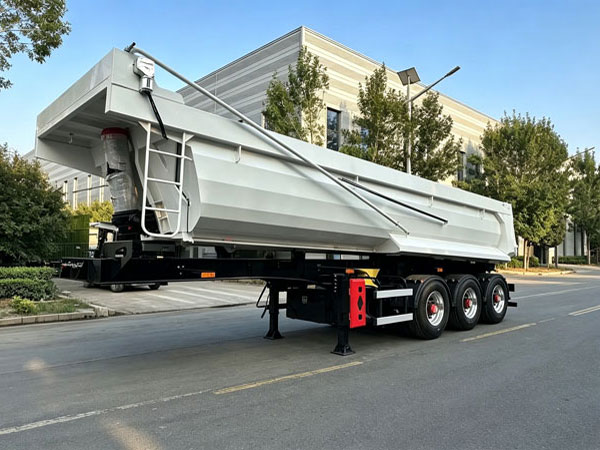
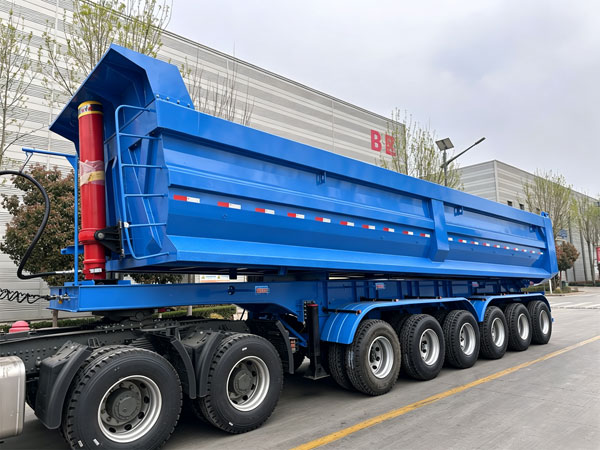
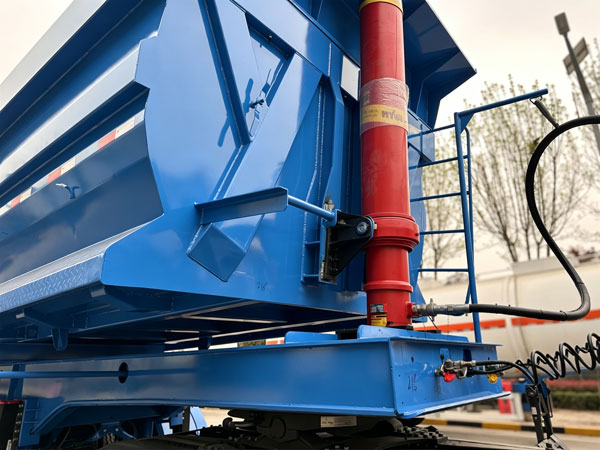
A tipper semi trailer is a semi-trailer designed to transport and unload bulk materials by hydraulically raising its tipping body, allowing the material to be discharged by gravity. It is commonly used for sand, gravel, stone, ore, coal, soil, aggregates, and other construction or mining materials.
The two main configurations are rear tipper semi trailers and side tipper semi trailers.
A rear tipper raises the front of the tipping body and unloads material through the rear tailgate. It is widely used for conventional construction, quarrying, mining and bulk-haulage applications.
A side tipper tilts the body sideways and discharges material along one side of the trailer. It is suitable for operations where side unloading access, faster material distribution or limited rear unloading space is required.
The key difference is the unloading direction: rear tippers discharge behind the trailer, while side tippers discharge beside it. The best choice depends on the cargo type, unloading environment, operating conditions, payload requirements and required unloading method.
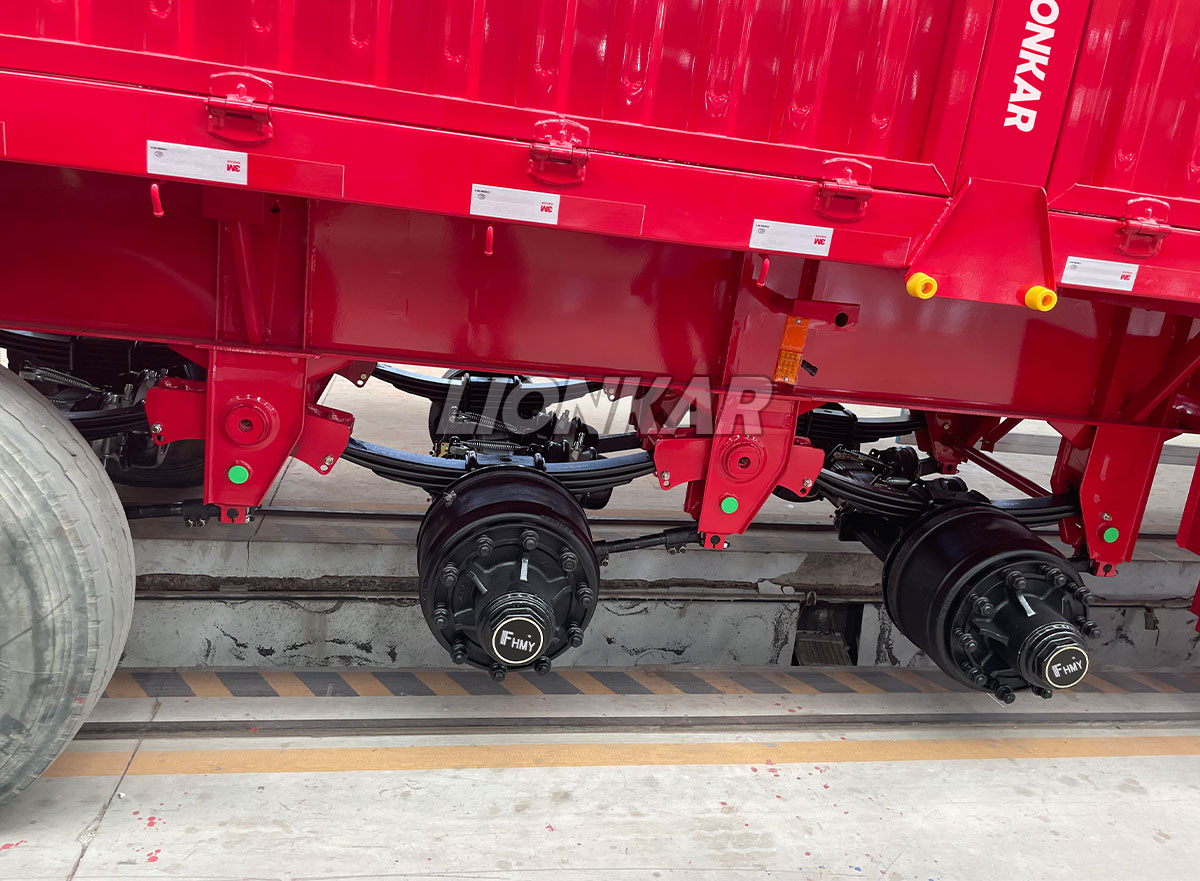
Customized configurations are available in LionKar, including axle setup, body thickness, hydraulic system, and dump body design.
| Comparison Item | Rear Tipper Semi Trailer | Side Tipper Semi Trailer |
|---|---|---|
| Payload Capacity | Typically 30–80 Tons | Typically 30–80 Tons |
| Common Axle Configuration | 3–6 Axles, (13T–25T Capacity) | 3–6 Axles, (13T–25T Capacity) |
| Overall Length | Approx. 9,000–10,500 mm | Approx. 10,000–13,700 mm |
| Main Beam Thickness | Approx. 10–18 mm | Approx. 12–20 mm |
| Leaf Spring Specification | 16 × 120 mm × 10 layers (typical) | 16 × 90 mm × 10 layers (typical) |
| Floor Plate Thickness | Approx. 6–8 mm | Approx. 6–10 mm |
| Side Wall Thickness | Approx. 5–6 mm | Approx. 5–8 mm |
Browse the videos below to explore more details about LionKar tipper semi trailer design, structural details, equipment configuration, product features, and general trailer information related to this model.
A tipper semi trailer should be designed around more than payload alone. Cargo density, material behaviour, road conditions and unloading requirements determine how the body, chassis, hydraulic system and running gear should be specified.
Important: Material density and load behaviour affect tipping stability. Trailer design alone cannot prevent rollover risks. Ground stability, load distribution, vehicle position and correct operating procedures are essential for safe tipping.
Our semi trailer body volume should be selected based on material density rather than capacity alone. Larger bodies are usually used for low-density bulk materials to maximize transport efficiency, while smaller bodies are suitable for higher-density materials where payload limits are reached before volume capacity.
| Trailer Type | Typical Volume Range | Typical Axle Options | Suitable Materials / Applications |
|---|---|---|---|
| Rear Tipper Semi Trailer | 20–40 m³ | 2–4 Axles | High-density cargo: ore, rock, stone, gravel, wet soil, clay, sand, aggregates, construction materials |
| Rear Tipper Semi Trailer | 40–60 m³ | 3–5 Axles | Coal, agricultural bulk materials, lightweight bulk cargo |
| Rear Tipper Semi Trailer | 60 m³+ | 3–6 Axles, customized | Lower-density bulk cargo where higher body volume is required |
| Side Tipper Semi Trailer | 35–45 m³ | 3–4 Axles | Mining materials, coal, sand, gravel, aggregates |
| Side Tipper Semi Trailer | 45–60 m³ | 3–5 Axles | Mining and bulk haulage requiring fast side unloading |
| Side Tipper Semi Trailer | 60 m³+ | 3–6 Axles, customized | High-volume bulk transport and project-specific applications |
Note: Volume does not determine axle quantity by itself. Final axle configuration should be selected according to design payload, cargo density, axle-load limits, tractor specification, road conditions and destination-country regulations.
Depending on the body material, capacity, and configuration, tipper semi trailers can handle everything from sand and gravel to rocks, asphalt, construction waste, agricultural materials, and scrap metal. They are widely used in construction, mining, road building, agriculture, and recycling operations.
A construction tipper semi trailer or earthwork dump trailer is used for construction sites, infrastructure projects, and earthmoving operations, transporting sand, gravel, crushed stone, soil, clay, excavated material, bricks, concrete rubble, construction debris, and other building materials.
A mining tipper semi trailer, quarry tipper trailer, or aggregate dump trailer is used for mining sites, quarries, aggregate plants, and off-road transport, carrying rocks, stone, crushed rock, crushed stone, coarse gravel, fine gravel, minerals, quarry aggregates, and other heavy bulk materials.
An asphalt tipper semi trailer, road construction tipper trailer, thermal tipper trailer, or insulated dump trailer is used for highway construction, road building, and paving projects, transporting hot asphalt, mastic asphalt, gravel, crushed aggregates, crushed stone, and road base materials.
An agricultural tipper trailer, recycling tipper semi trailer, high-volume tipper trailer, or bulk material dump trailer is used for agricultural, forestry, waste handling, and recycling operations, transporting agricultural bulk goods, forestry materials, scrap metal, bulky waste, moist bulk materials, sewage sludge, and other loose bulk cargo.
Tell us about your operating conditions, cargo, and preferred specifications. We’ll help you develop a tipper trailer configuration that matches your transport requirements.
LionKar is a professional tipper semi trailer manufacturer in Shandong, China, we control the key manufacturing steps from steel cutting and welding to assembly, painting and final inspection, allowing each trailer to be built to the confirmed payload and operating requirements.
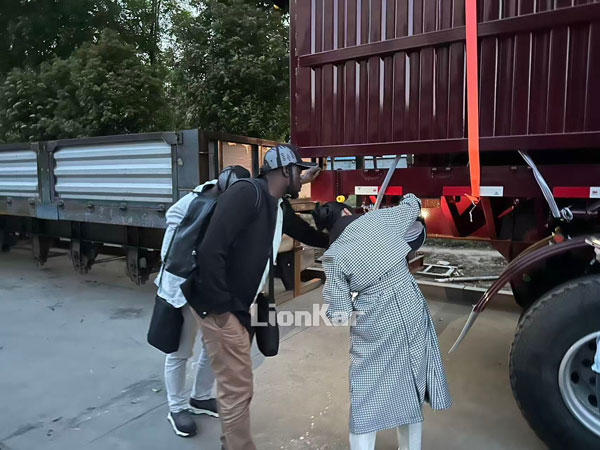
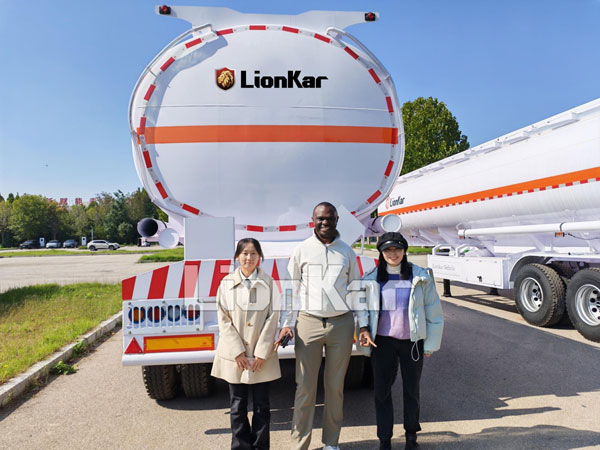
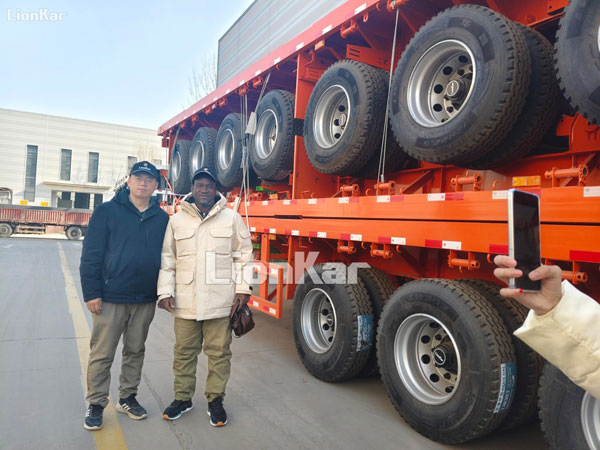
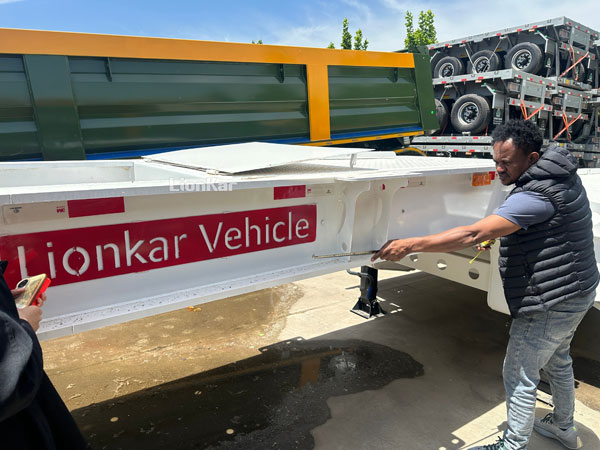
LionKar sincerely invites you to visit our factory in China to check the quality of our side & rear tipper semi trailers.
A factory visit to China allows customers to discuss the Tipper Semi Trailer directly with our team, review configuration options, and align on technical requirements, production planning, and inspection arrangements before manufacturing begins.
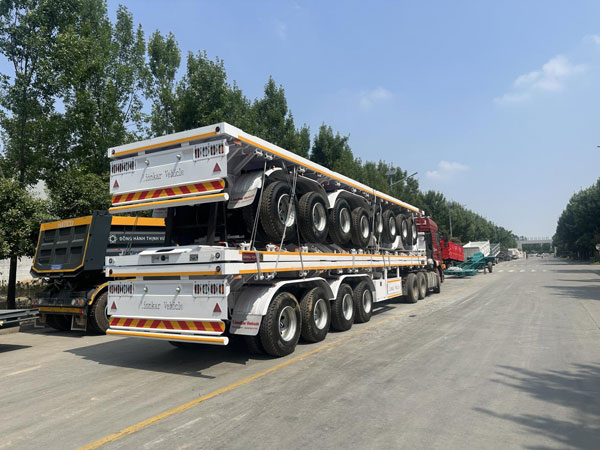
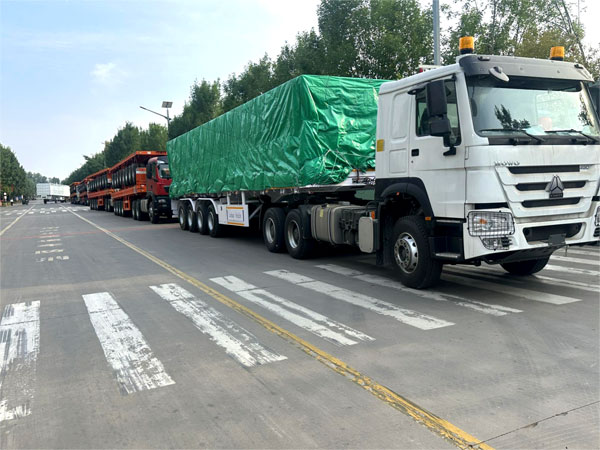
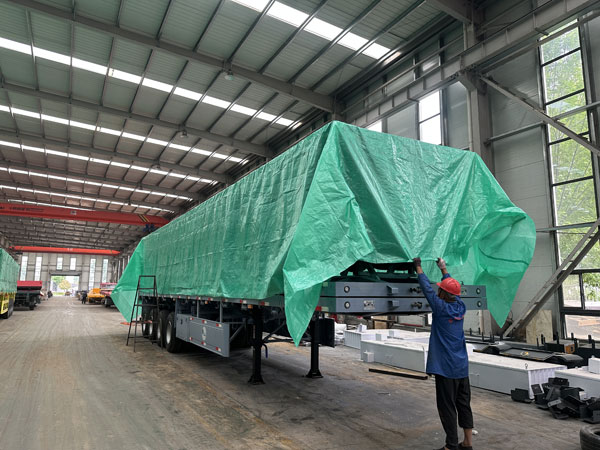
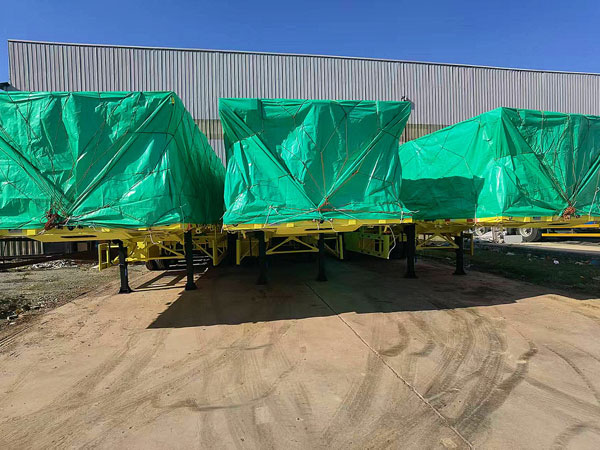
Our tipper semi trailers are prepared for sea transport with protective wax coating, waterproof covering and secured components to reduce corrosion and shipping damage. Shipping options include bulk vessel, Ro-Ro and container solutions where applicable, depending on trailer size, quantity and route. Each trailer is inspected before dispatch, with the final packing and shipping method confirmed according to dimensions, quantity and destination port.
We have listed some questions you may ask. If you have more inquiries about our products, you can send an inquiry to contact us.
The minimum order quantity is one trailer or truck.
The standard lead time is 15–20 days after receiving the deposit.
Yes. Length, body volume and steel thickness can be configured according to the transport task. Dense or abrasive materials such as rock and ore normally require different body and reinforcement specifications from lower-density cargo such as coal or agricultural bulk materials.
For T/T (Telegraphic Transfer), a 30% deposit is required, with the remaining 70% due before shipment. For L/C (Letter of Credit), we accept 100% irrevocable Letters of Credit.
Yes. The final trailer configuration should consider your tractor model, fifth-wheel height and load, kingpin specification, electrical/braking system and permitted combination weight. Providing your tractor specifications before production helps avoid compatibility problems.
Yes. Customers can visit the tipper semi trailer factory to review production, configuration and inspection arrangements before manufacturing, and the finished trailer is inspected before dispatch. Factory and product verification are especially useful for first-time overseas purchases.
Factory-direct production helps improve cost efficiency while allowing the trailer specifications to be matched to your operational requirements.

Reach us on WhatsAppThe following content will also be sent to WhatsApp