
- Maintenance and Repairs
- Warranty Support
- Replacement Parts
LionKar stainless steel tanker trailers, built by China manufacturer LionKar, support hygienic food transport, edible and palm oil logistics, milk delivery, compatible chemical hauling and other bulk liquid transport applications.





A stainless steel tanker trailer is a semi-trailer with a stainless steel cargo tank designed for the bulk transport of liquid products that require corrosion resistance, cleanability, contamination control, or hygienic handling. It is also commonly called a stainless steel tank trailer, stainless tanker trailer, stainless tank trailer, or stainless steel tank semi-trailer.
The main purpose of using stainless steel is not simply to replace carbon steel. Its corrosion resistance, smooth clean surface, and ability to protect cargo from contamination make it particularly useful where product purity, hygiene, corrosion control, cleaning efficiency, or temperature management are important. This is why stainless steel tankers are commonly used in food-grade transport, edible-oil logistics, dairy transport, chemical logistics, high-purity liquid handling, and other specialized bulk-liquid operations.
However, a stainless steel tanker is not a universal tank for every liquid. Different cargoes can require different stainless steel grades, internal finishes, seals, valves, compartments, discharge systems, insulation, heating, cleaning systems, and safety equipment.

The stainless steel tanker trailer specifications cover the key factors buyers compare before purchase, including tank capacity, stainless grade, compartments, axles, suspension and discharge configuration for different transport requirements.
| Parameter | Typical Configuration |
| Tank Capacity | 30,000–50,000 L typical; 20,000–60,000 L available |
| Tank Material | SUS304 / 304L; SUS316L optional |
| Tank Shell Thickness | 4–6 mm |
| End Plate Thickness | 5–6 mm |
| Compartments | 1–3 typical; up to 6 available |
| Axles | 3 Axles × 13T typical |
| Suspension | Heavy-duty mechanical suspension |
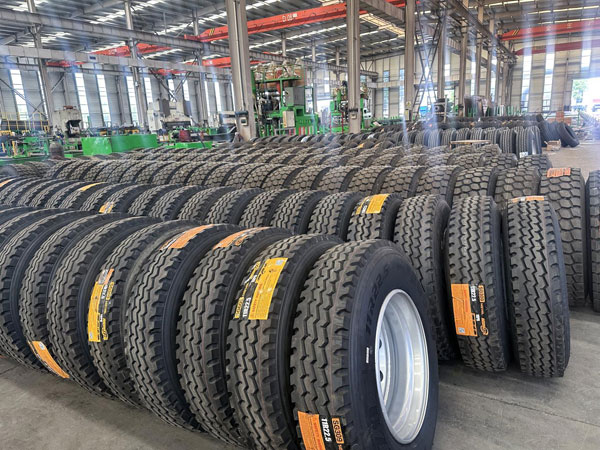
| Tires | 12R22.5 |
| Discharge Valve | 3″ or 4″ |
| Discharge Method | Gravity discharge; pump optional |
| Manhole | 460–500 mm |
| Kingpin | 2″ / 3.5″ |
| Landing Gear | 28T two-speed |
| Brake System | Dual-line pneumatic brake, ABS optional / as required |
| Loading | Top loading; bottom loading optional |
| Insulation | Optional, typically 50–100 mm |
| Heating | Steam coil / heating system optional |
| Cleaning | Manual cleaning; CIP optional |
| Electrical System | 24V LED |
Customisation note: Any custom configuration remains subject to engineering review and target-market requirements.
Our stainless steel tanker trailers have been supplied to countries such as Nigeria (Lagos, Abuja via Lagos Port Complex in Apapa) and Tanzania (Dar es Salaam, Dodoma via the Port of Dar es Salaam) with capacity, running gear and tank configurations adapted to different payloads, liquid transport tasks, road conditions and operating practices.
This 3 axle 40,000L stainless steel tanker trailer for Tanzania combines a practical road-transport capacity with heavy-duty running gear, suitable for regional liquid distribution where payload, route conditions and serviceability all influence vehicle selection.
This 42 CBM stainless steel tanker trailer for Nigeria provides larger-volume liquid transport for commercial distribution, with tank material, discharge system and optional compartment configuration adaptable to edible oils, industrial liquids and different unloading environments.
LionKar stainless steel tanker trailers focus on tank integrity, product recovery and transport stability—three design priorities that directly affect reliability, operating efficiency and cargo protection.
Large stainless steel sheets and optimized tank-forming processes reduce unnecessary joints and concentrate welding in controlled structural areas. Fewer critical welds mean fewer potential points for leakage, corrosion initiation and difficult inspection. Consistent welding and reinforced connections between the tank, supports and chassis help the vessel withstand repeated loading cycles, road vibration and long-distance operation.
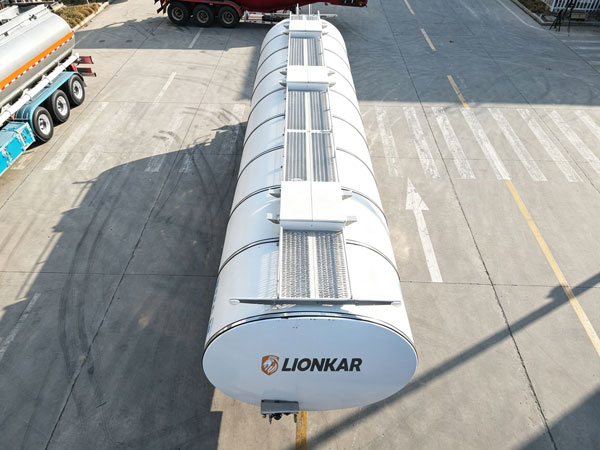
Internal baffles and compartment bulkheads are arranged to limit uncontrolled liquid movement during braking, acceleration and cornering. Controlling surge helps reduce sudden load transfer to the chassis and running gear while improving trailer stability on long-haul routes. Compartment layout can also be adjusted to the cargo volume and delivery pattern instead of treating the tank as one unrestricted liquid space.
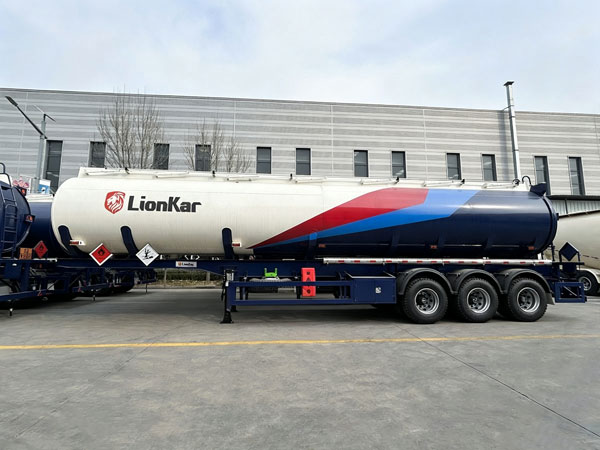
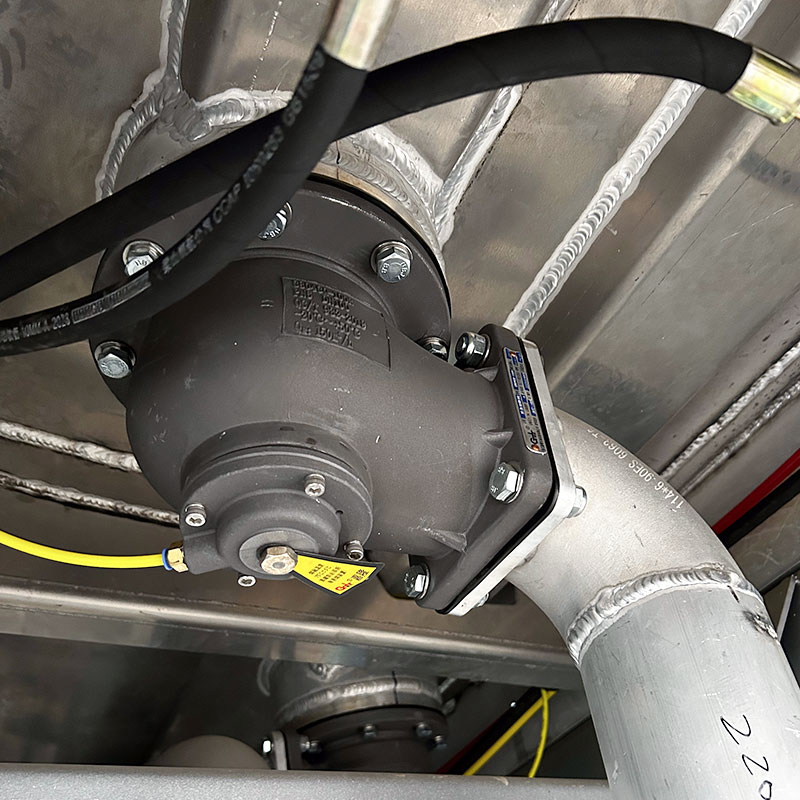
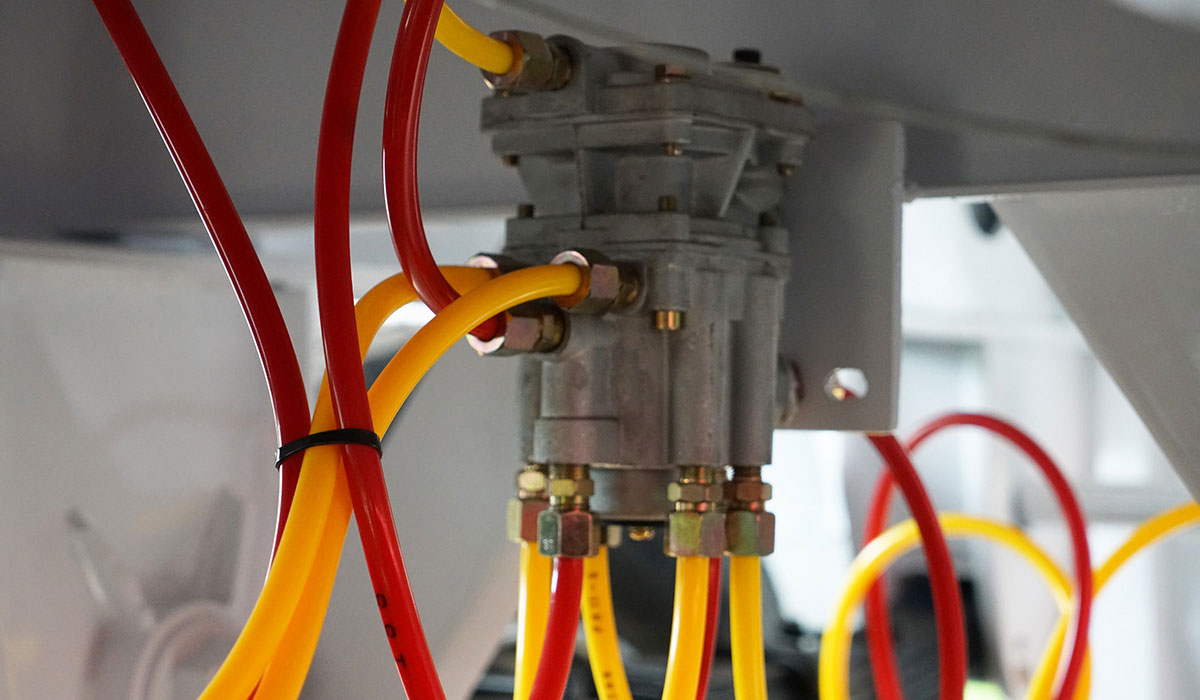
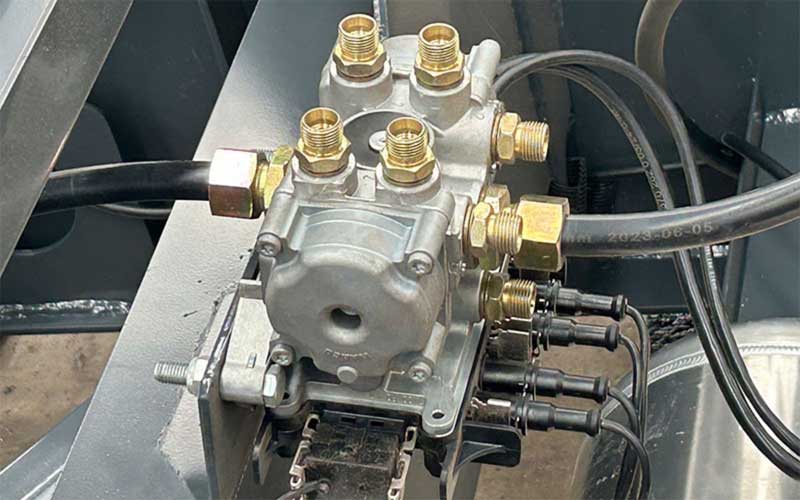
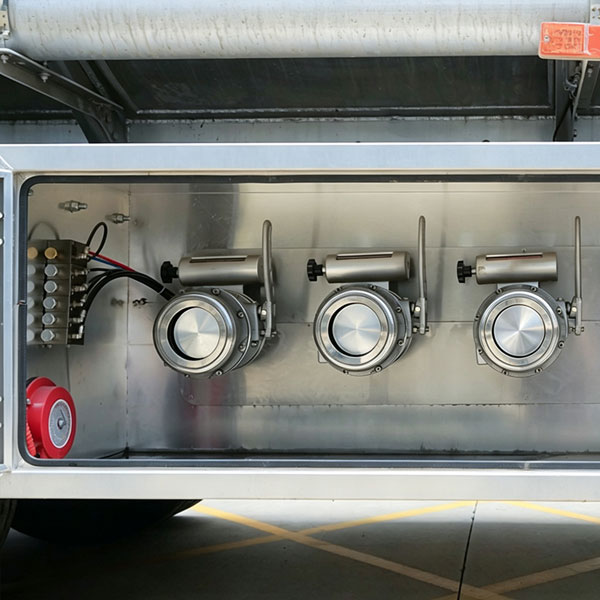
The performance of a stainless steel tanker trailer depends on more than the tank body. Axles, suspension, braking components, valves, seals, piping and landing gear directly affect load stability, discharge reliability, maintenance frequency and parts availability throughout long-distance operation.
LionKar is a professional stainless steel tanker trailer manufacturer serving international commercial vehicle markets. Our experience covers tank structure, stainless fabrication, running-gear integration and application-specific configurations for food liquids, edible oils, compatible chemicals and other bulk-liquid transport operations.
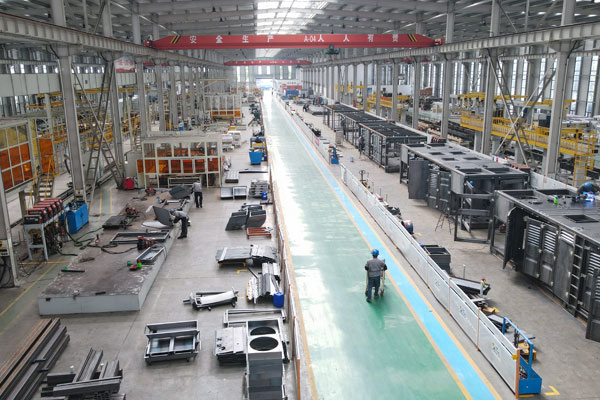
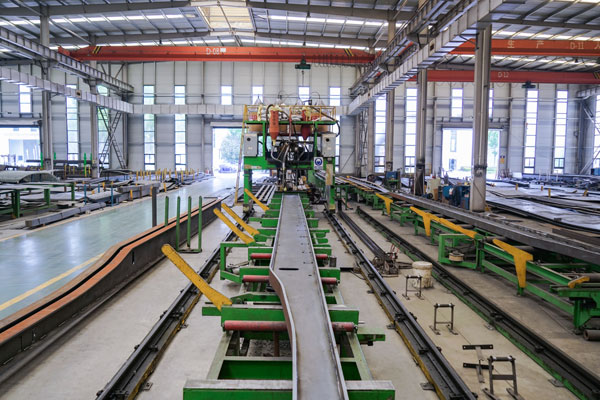
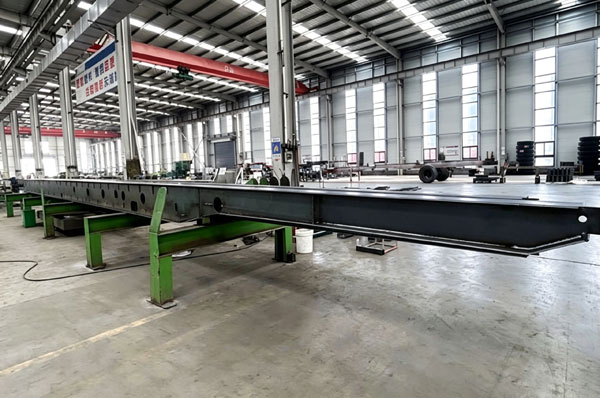
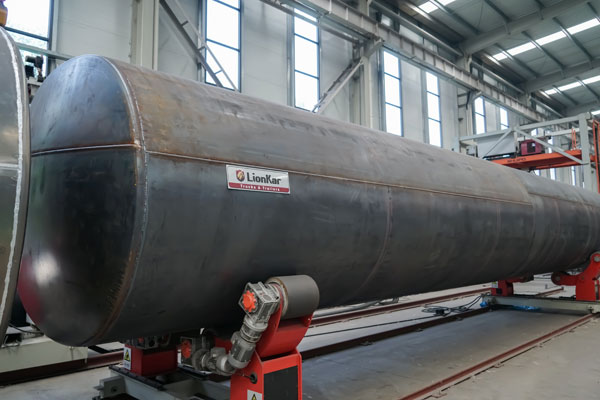
Producing a reliable stainless steel tank trailer requires controlled plate forming, stainless welding, tank assembly, chassis integration and inspection. LionKar uses dedicated fabrication and production equipment to control tank geometry, weld consistency, component installation and final vehicle assembly before testing and delivery.
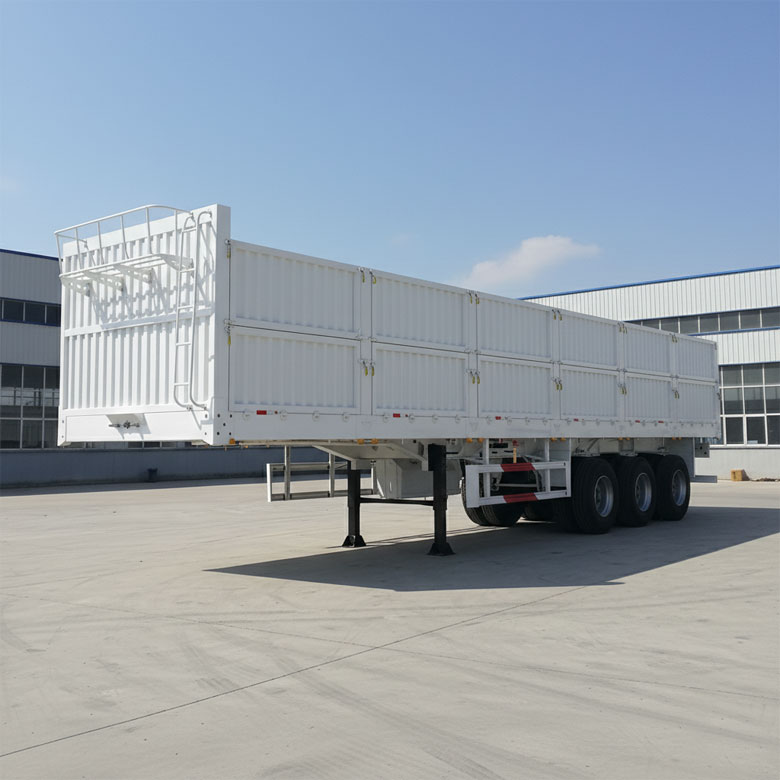
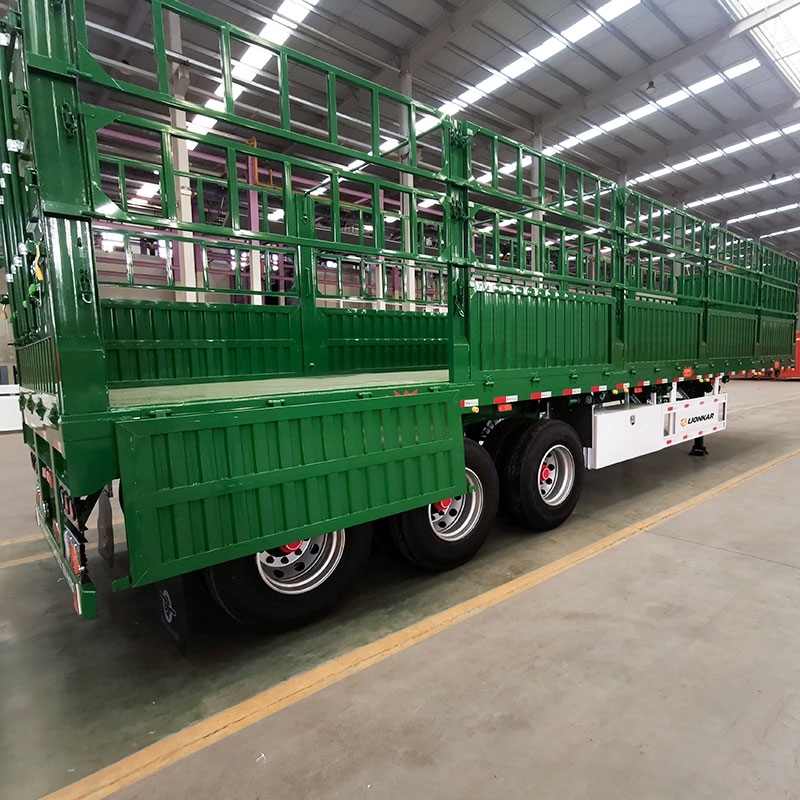
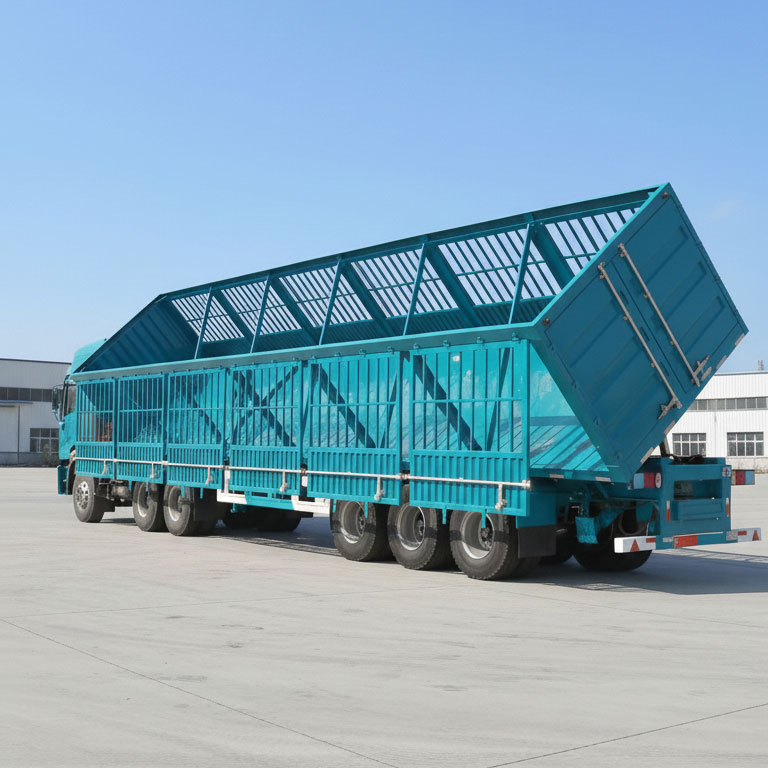
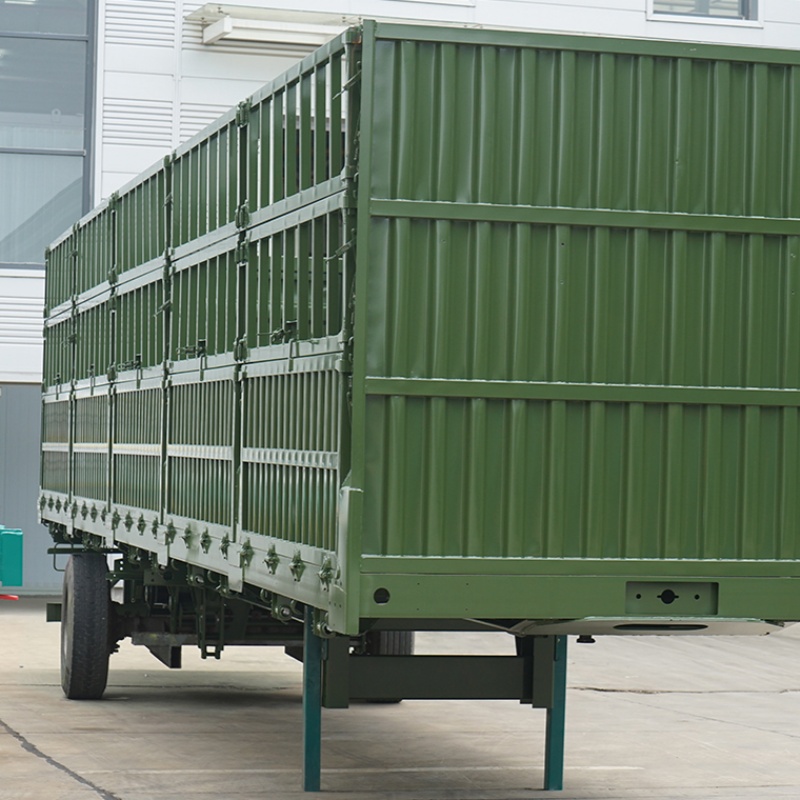
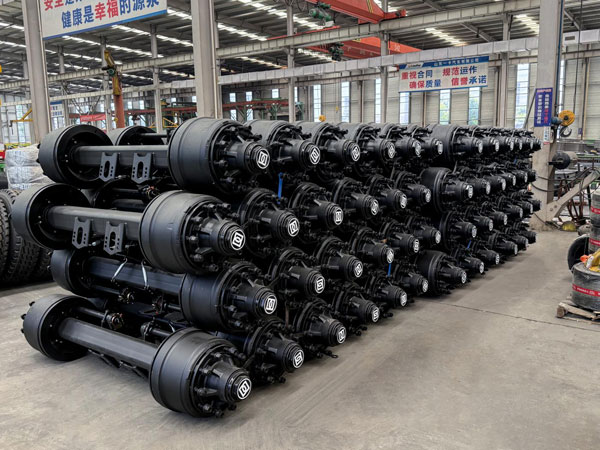
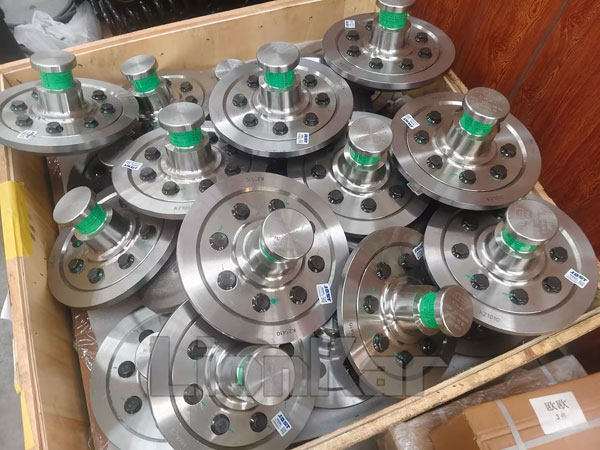
After delivery, semi trailer service may include follow-up support related to spare parts supply, component replacement, maintenance requirements, and technical information for standard trailer systems. This commonly involves axle assemblies, suspension parts, landing gear, king pin components, lighting systems, and fence structure accessories.
Stainless steel tanker trailers are used where liquid cargo needs better corrosion resistance, cleanliness, contamination control or temperature management, helping operators protect product quality while adapting tank design to different transport and unloading conditions.
Food grade stainless steel tanker trailer with SUS304 tank, polished interior and optional CIP or insulation supports hygienic transport of milk, juice and liquid foods. Related models include milk tanker trailer, sanitary tanker trailer, and liquid food tank trailer.
Insulated palm oil tanker trailer with SUS304 tank, optional heating and pump discharge is suited to long-distance transport of palm oil, cooking oil and vegetable oils. Common terms include edible oil tanker trailer, vegetable oil tank trailer, and cooking oil tanker trailer.
316L chemical tanker trailer with cargo-compatible valves, seals and configurable discharge systems serves approved chemical transport where corrosion control is critical. Typical cargoes include ethanol, methanol and compatible process liquids; related terms include stainless chemical tanker trailer and corrosive liquid tanker trailer.
Stainless steel water tanker trailer with SUS304 or 316L tank, drainable piping and optional hygienic fittings supports potable water, demineralized water and purified process liquids. Related terms include potable water tanker trailer, drinking water tanker trailer, and high-purity liquid tanker.
Tell LionKar your cargo, destination and capacity requirement, and get a stainless steel tanker trailer configuration & price built around your operation.
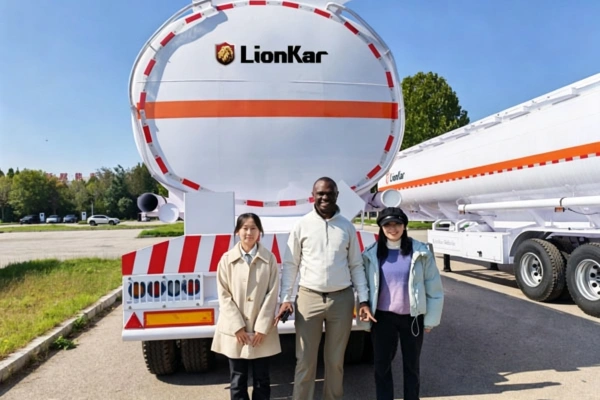
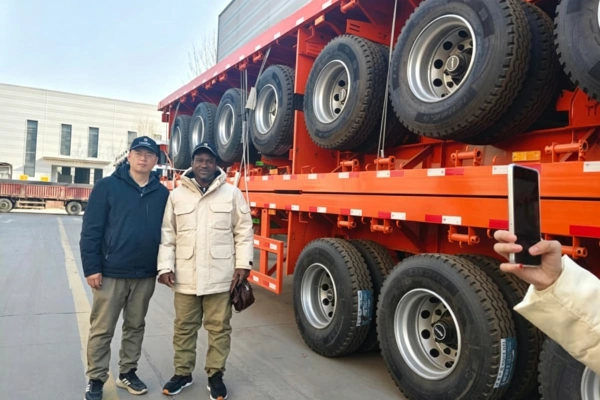
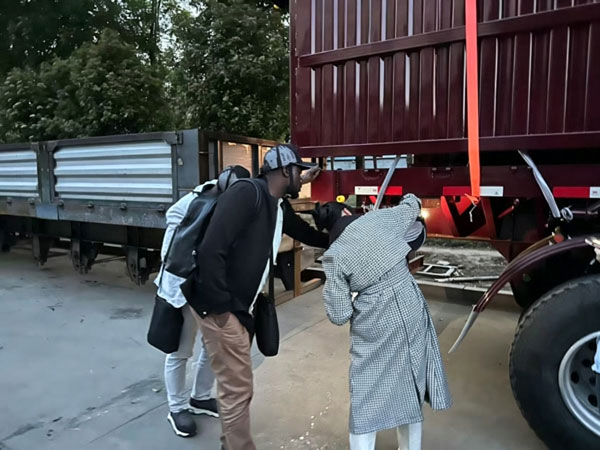
Factory visitors often focus on stainless steel tanker trailer fabrication quality, tank structure, component selection and whether configurations can match local transport conditions. Real vehicle inspection also helps buyers compare specifications that are difficult to judge from quotations alone.
A Nigerian visitor examining LionKar stainless steel tanker trailers focused on tank capacity, discharge efficiency and chassis durability. The factory visit gave him a closer view of stainless welding, running-gear selection and how different configurations could fit edible-oil and commercial logistics operations.
A Tanzanian fleet buyer showed particular interest in 3-axle stainless tanker trailers around the 40,000-liter range. His discussions centered on payload, road conditions, suspension maintenance and practical parts availability, comparing how tank volume and running gear could be balanced
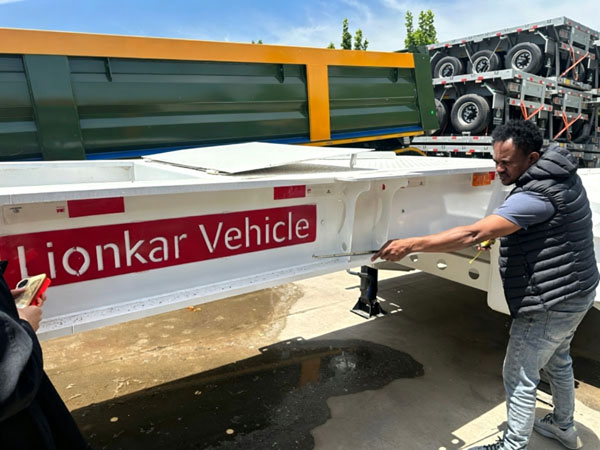
An Ethiopian customer visiting the factory examined stainless steel tank trailers from the perspective of food and industrial liquid transport. Tank cleanliness, material selection, discharge layout and long-distance reliability attracted particular attention, leading to detailed discussions about configurations.
LionKar welcome fleet operators, liquid logistics companies, food processors, chemical businesses, importers and distributors to visit LionKar. Customers can inspect stainless steel tanker trailers, compare configurations, discuss cargo requirements and review production details directly with our technical and sales teams.
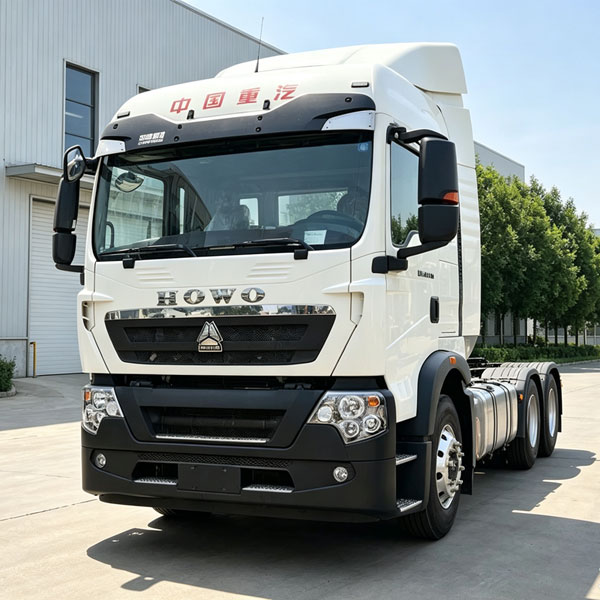
Sinotruk HOWO TX
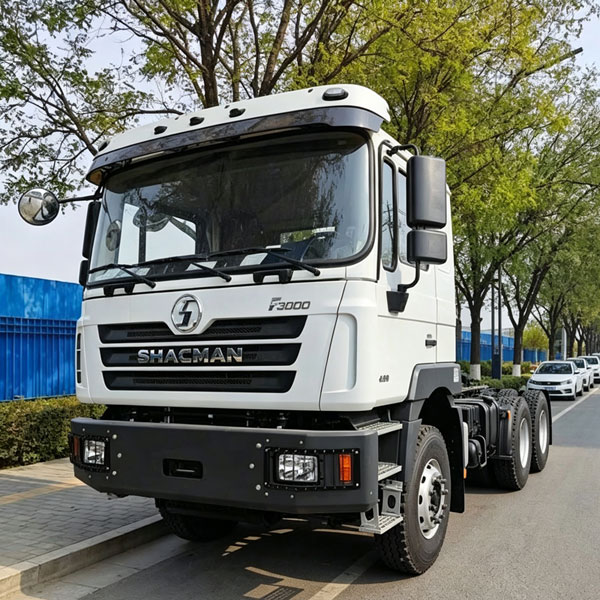
Shacman F3000
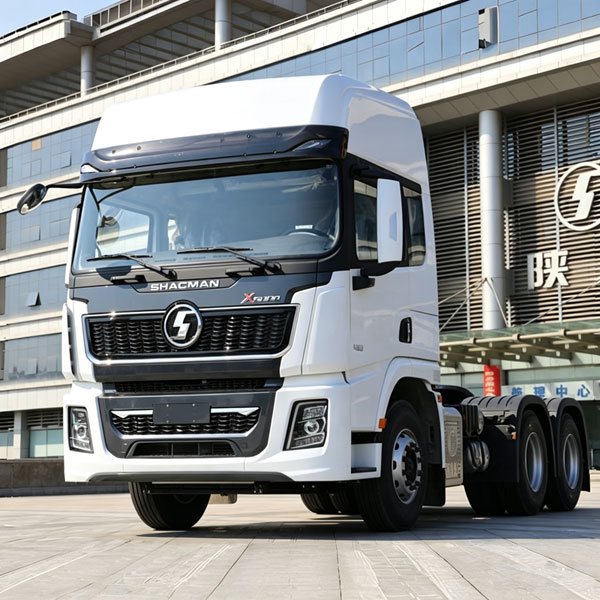
Shacman X5000
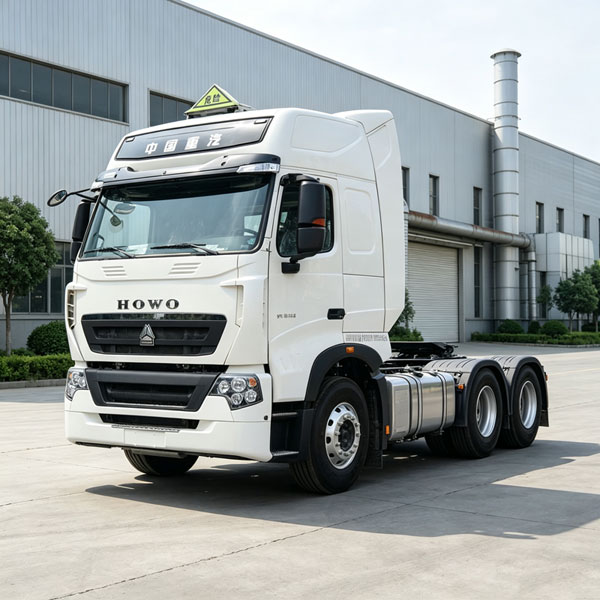
Sinotruk HOWO T7H
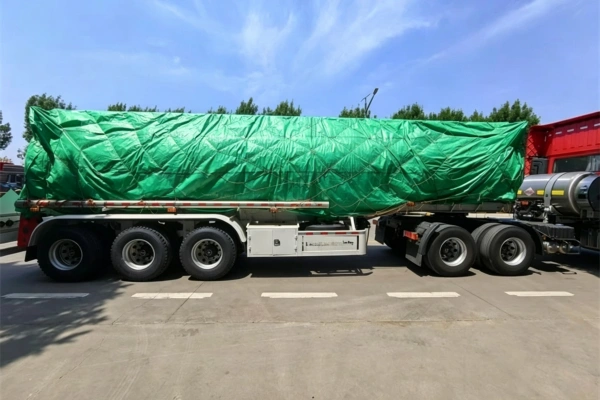
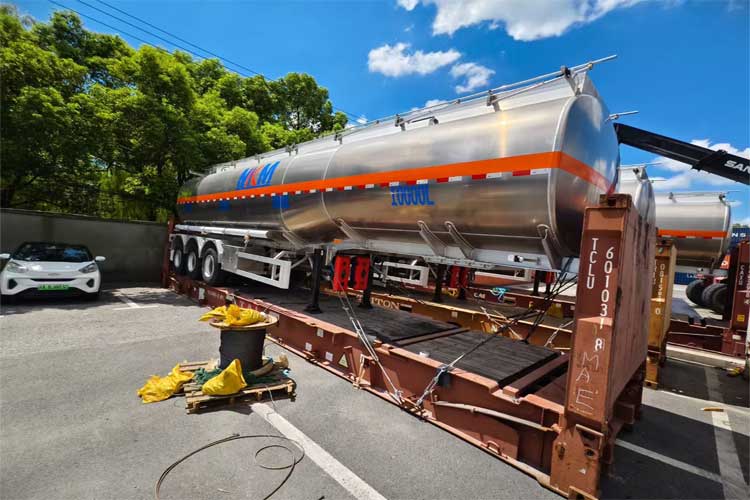
Before shipment, every stainless steel tanker trailer for sale in countries such as Nigeria (Lagos, Abuja via Lagos Port Complex in Apapa) and Tanzania (Dar es Salaam, Dodoma via the Port of Dar es Salaam), is checked for tank sealing, valves, piping, brakes and electrical systems, then cleaned and kept dry inside. Exposed valves, manholes and fittings are protected, while the chassis and vulnerable steel parts receive anti-rust protection.
Find quick answers to practical questions about stainless steel tanker trailer materials, capacity, cargo compatibility, operation, configuration and purchasing
The correct stainless grade depends on the cargo, concentration, temperature, chloride exposure and cleaning chemicals. SUS304 suits many food liquids, edible oils and water applications. 304L reduces sensitization risk in welded areas. 316L offers higher resistance than 304/304L to pitting in many chloride-containing environments, but it is not universally chemical-resistant. Chemical service requires compatibility assessment under the actual operating conditions.
A multi-compartment stainless steel tank trailer can separate compatible liquids or delivery batches when each compartment, valve, seal and discharge line suits the cargo. Reusing a tanker for another product depends on previous cargo, cleaning method and contamination limits. Food-grade and chemical service should not automatically be mixed. Sensitive products may require dedicated compartments, independent piping or dedicated tanker service.
An insulated stainless steel tanker trailer is needed when excessive heat loss could increase viscosity or prevent efficient unloading. Heating is added when the cargo must remain or return above its required handling temperature. The decision depends on oil type, loading temperature, ambient temperature, journey time and unloading method. Pump discharge may also be useful when increased viscosity makes gravity unloading inefficient.
Tank volume is not the same as legal payload. Forty thousand liters of liquid at 1.0 kg/L weighs about 40 tonnes; at 0.8 kg/L it weighs about 32 tonnes, excluding trailer tare weight. A stainless steel tanker semi-trailer should therefore be sized against cargo density, tractor configuration, axle limits and destination regulations. A 45,000–60,000L tanker cannot necessarily be legally filled to full volume on every route.
Gravity discharge suits free-flowing liquids when the outlet height and receiving system provide adequate flow. A stainless steel tanker trailer with pump discharge is more appropriate for viscous cargoes, faster transfer, long discharge lines or sites where gravity head is insufficient. Cargo properties, required flow rate, outlet arrangement and pipe size should be evaluated together; 3-inch and 4-inch discharge systems are common configurations.
Neither suspension is universally better. Mechanical suspension has a simpler structure and can suit operations where rough roads, straightforward repair and parts availability matter. Air suspension provides improved ride isolation and ride-height control when suitable service support is available. An export stainless tanker trailer should match suspension to axle load, road condition, transport distance, tractor specification and local maintenance capability.
A useful quotation requires the cargo, destination country, target payload or capacity, loading and unloading method, operating temperature and quantity. Chemical applications should include product name, concentration and temperature. Temperature-sensitive cargo should include loading and required delivery temperatures. Tractor configuration and intended operating conditions help determine suitable capacity and running gear. Tank thickness, baffle arrangement, structural reinforcement and final component sizing should be finalized by the manufacturer’s engineering team.
Buy directly from Lionkar for custom-built trailers and better control over your sourcing costs.

Reach us on WhatsAppThe following content will also be sent to WhatsApp