- Maintenance and Repairs
- Warranty Support
- Replacement Parts
Explore flatbed semi trailer configurations and get a suitable recommendation based on your cargo requirements and operating conditions.








A flatbed semi trailer is an open-deck trailer without a fixed roof or side walls. It connects to a tractor through a fifth wheel and allows cargo to be loaded from the top, sides, or rear.
Its open platform is designed for large, long, or irregularly shaped cargo that cannot be easily loaded into an enclosed trailer. Because the cargo is exposed, it must be properly secured and protected when necessary.

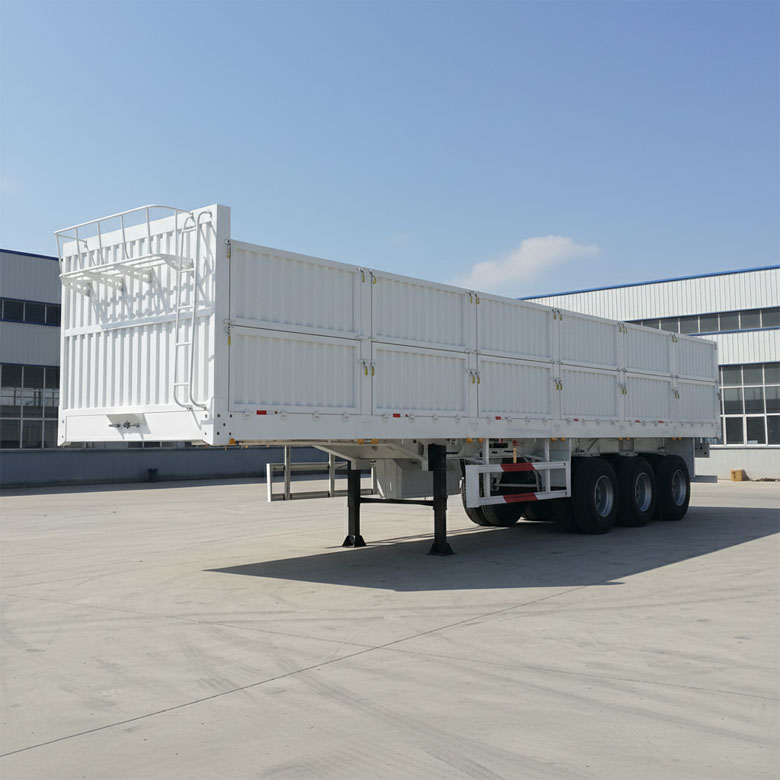
3 Axle Flatbed Semi Trailer
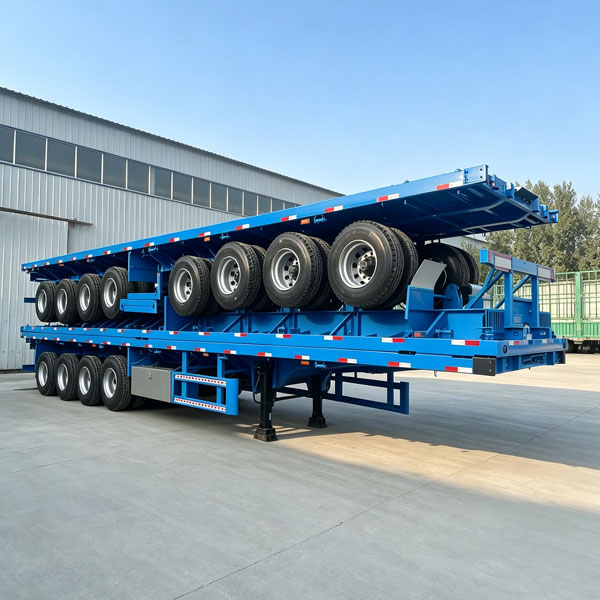
4-Axle Flatbed Semi Trailer
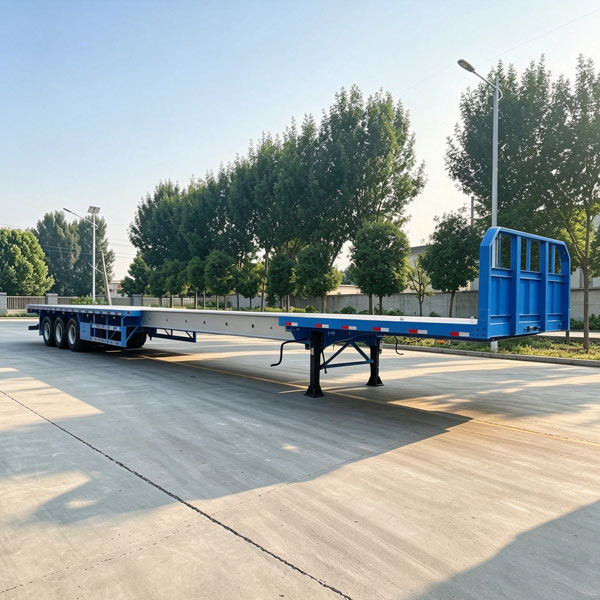
Extendable Flatbed Semi Trailer
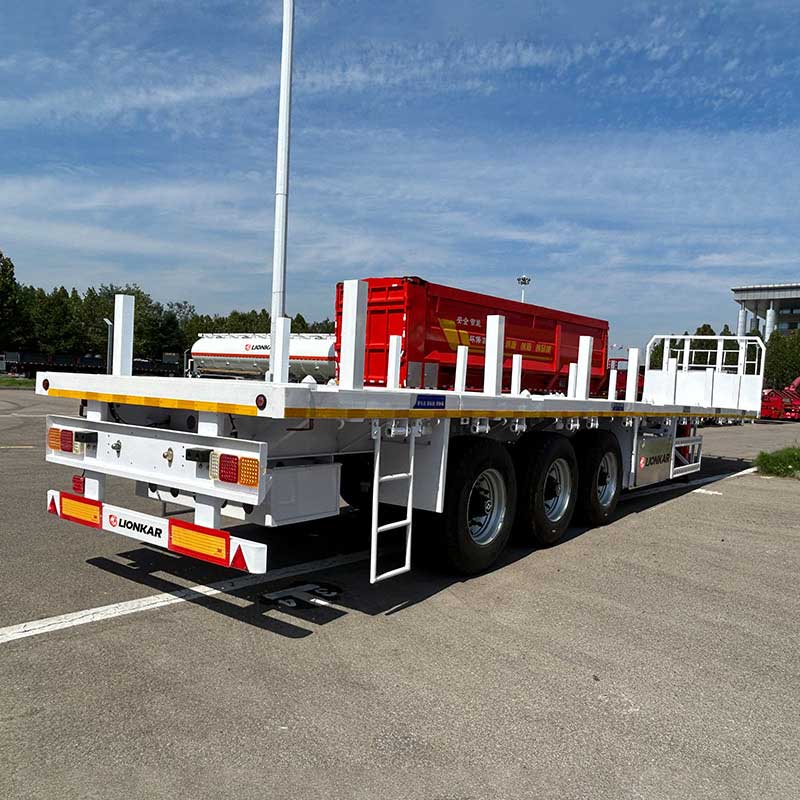
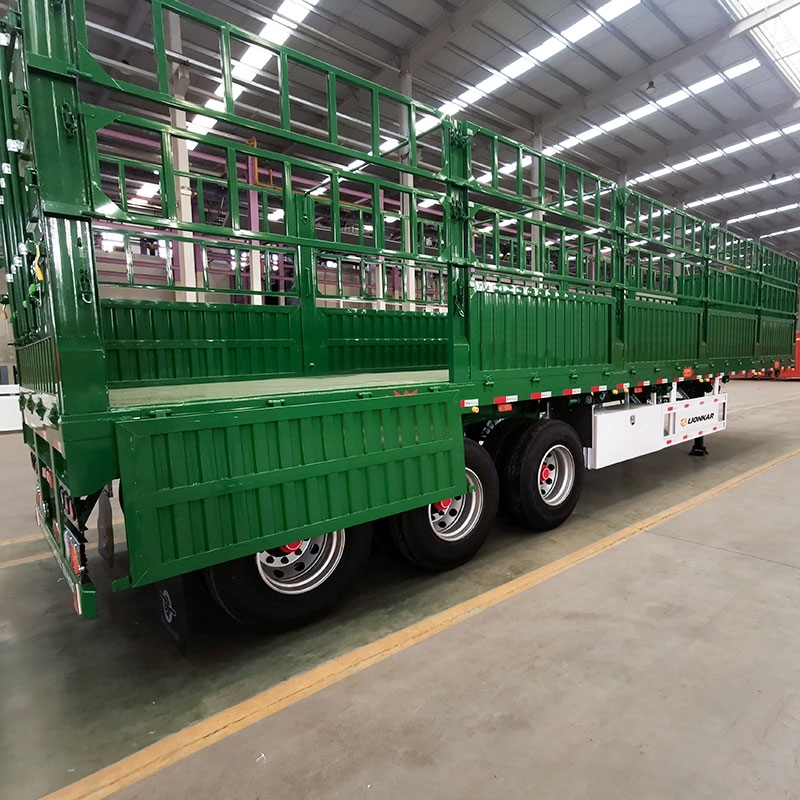
Headboard Flatbed Trailer With Stake
| Trailer Configuration | Best Suited For |
|---|---|
| Standard Flatbed Trailer | General cargo that fits within standard platform dimensions and does not require an extendable chassis, low deck, or removable side restraint. |
| Extendable Flatbed Trailer | Long cargo that regularly exceeds the usable length of a standard fixed platform. |
| Container-Ready Flatbed Trailer | Regular container transport requiring integrated twist locks and suitable container support positions. |
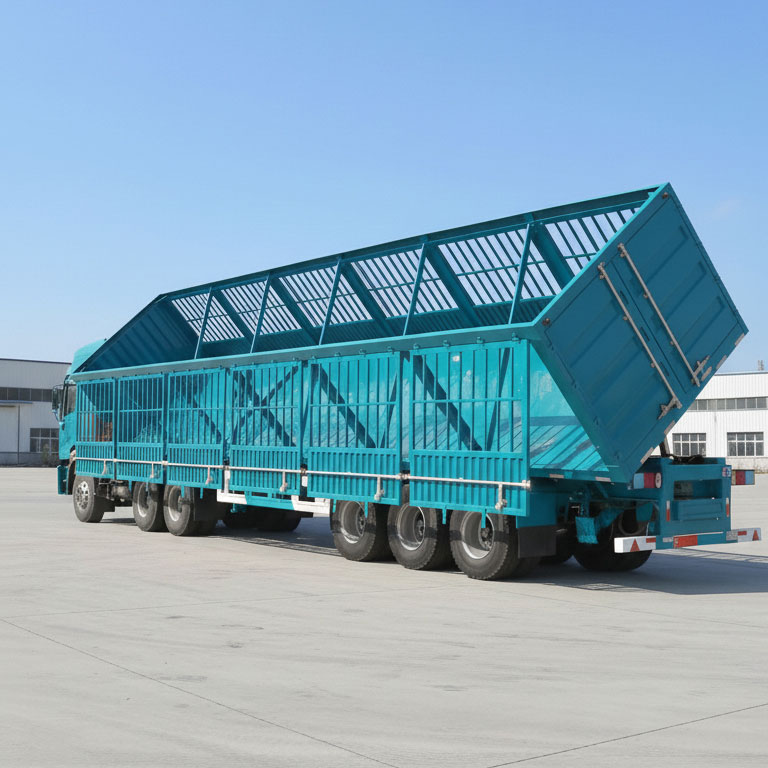
| Drop-Side or Stake Flatbed Trailer | Cargo requiring removable side boards, stakes, or additional lateral restraint. |
| Lowbed Trailer | Tall or heavy machinery requiring a significantly lower loading platform. Consider a lowbed trailer instead of a standard flatbed when reduced loading height is a primary requirement. |
| Specification | 20 ft Platform | 40 ft Platform | 48 ft Platform | 53 ft Platform |
|---|---|---|---|---|
| Platform Length | 20 ft | 40 ft | 48 ft | 53 ft |
| Platform Width | Approx. 8 ft (2,500–2,600 mm) | |||
| Platform Height | Approx. 1.3–1.6 m, depending on frame design, suspension, and tire configuration | |||
| Typical Axle Configuration | 2 axles | 2–3 axles | 3 axles | 3–4 axles |
| Typical Payload Reference | Approx. 10–20 tonnes | Approx. 20–40 tonnes | Approx. 30–50 tonnes | Approx. 40–60 tonnes |
The specifications represent typical configurations only. The final trailer design will be customized according to cargo requirements, tractor compatibility, operating conditions, and destination-market requirements.
| Parameter | Typical Specifications and Available Options |
|---|---|
| Trailer Type | Flatbed semi trailer |
| Overall Dimensions | Length: 12,500–18,000 mm Width: 2,500–2,600 mm Platform Height: 1,350–1,650 mm |
| Payload Capacity | 30–80 tonnes, depending on chassis design and axle configuration |
| Platform Size | Length: 12,000–17,500 mm Width: 2,480–2,550 mm |
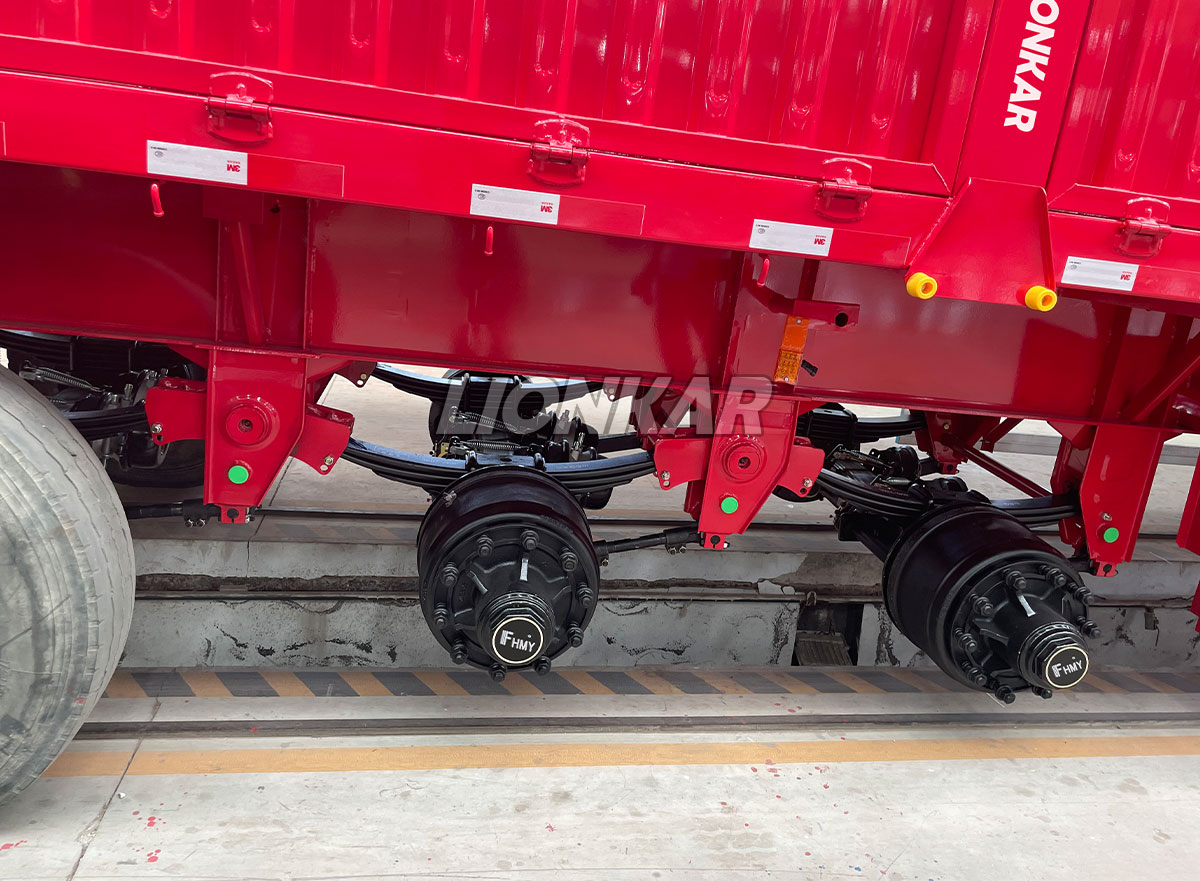
| Axle Configuration | 2, 3, 4, or more axles Common axle ratings: 12–16 tonnes per axle |
| Suspension System | Mechanical spring suspension or air suspension |
| Main Frame | High-strength structural steel with customized beam design according to payload requirements |
| Container Compatibility | Optional twist locks for container transport applications |
| Brake System | Dual-line pneumatic braking system with ABS/EBS options according to market requirements |
| Tires | 11R22.5, 12R22.5, 315/80R22.5, or 385/65R22.5 |
| Landing Gear | Two-speed mechanical or electric landing gear |
| Accessories | Stake pockets, removable stakes, tie-down rings, lashing winches, rope hooks, toolbox, and other options |
| Color | Standard factory color or customer-specified RAL color |
Video records associated with flatbed semi trailer projects, covering finished trailer configurations, cargo applications, structural details, and field operating conditions.
A flatbed semi trailer is more than a platform for carrying cargo. Its performance depends on how the frame, running gear, deck structure, and braking system work together as a complete vehicle.
These systems must be properly matched to the cargo, payload, tractor, and operating conditions for the trailer to perform reliably in its intended application.
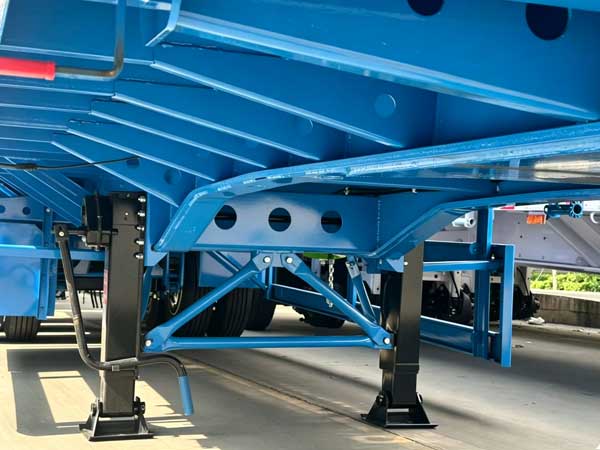
The main beam is a primary structural component that contributes significantly to a flatbed semi trailer’s load-carrying capacity and structural durability.
The reference configuration features a 500 mm main beam with a 14 mm top flange and a 16 mm bottom flange, providing a robust structural basis for demanding commercial transport applications.
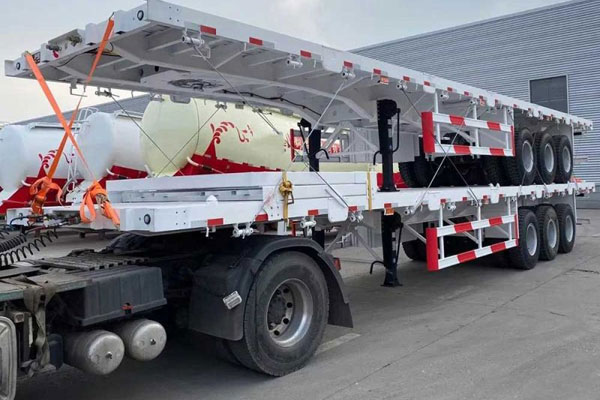
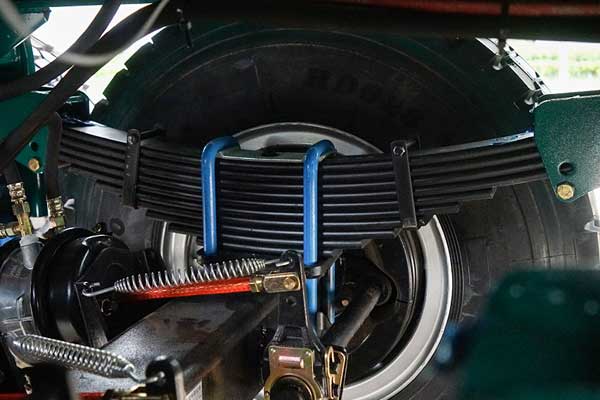
Axle configuration directly affects load distribution and compliance with regional axle-load regulations.
The reference flatbed semi trailer uses a four-axle configuration, with each axle rated at 13 tonnes and an axle spacing of 1,840 mm. This layout is commonly used for higher-payload transport applications.
The final axle arrangement is determined by payload requirements, tractor configuration, route conditions, and applicable local transport regulations.
The platform of a flatbed semi trailer provides the primary load-bearing surface for cargo during loading and transport.
The reference configuration uses a 3 mm steel deck plate for general cargo applications, including steel products, machinery, palletized cargo, and timber. Optional twist-lock configurations can be provided for container transport applications.
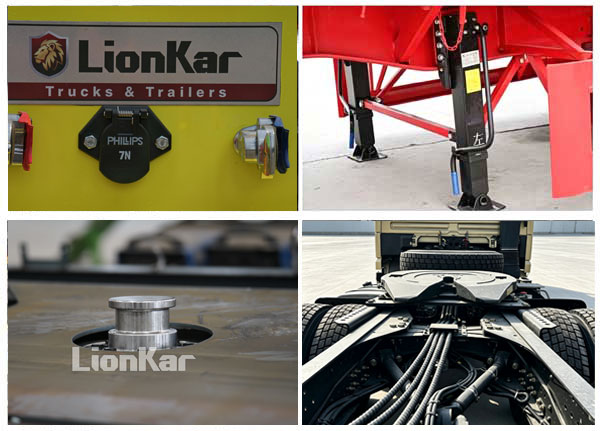
Electrical system design remains an important part of flatbed trailer compatibility and road transport operation.
The flatbed semi trailer uses a standard 24V electrical system with 7-way receptacle, 7-wire harness, tail lamps, brake lamps, reflectors, side marker lights, and 6-core connection cable.
Electrical layout is generally configured according to tractor unit connection standards and destination market requirements.
Lionkar specializes in flatbed semi trailer manufacturing with custom trailer configurations developed for different payload requirements, transport applications, and destination market specifications. Production covers commercial trailer projects across a wide range of international heavy-duty transport applications.
Technical documentation, component specifications, spare parts records, and configuration data remain part of the long-term operating support associated with flatbed semi trailer production. Service planning may vary according to trailer configuration, operating conditions, and project requirements.
Flatbed semi trailer production involves steel preparation, chassis welding, deck assembly, suspension installation, surface coating, and final production inspection as part of regular trailer manufacturing operations.
Flatbed semi trailers are widely used for cargo applications requiring open deck loading, flexible cargo securing arrangements, and compatibility with different freight categories across commercial transport operation.
Flatbed semi trailers can be configured with container locking systems for 20ft and 40ft container transport. This configuration is commonly used for port transport, inland container movement, depot transfer, and industrial freight operation.
Open deck structure makes flatbed semi trailers suitable for transporting steel coils, pipes, beams, fabricated steel sections, and construction materials requiring side loading access or overhead crane loading during cargo handling.
Timber loads, palletized cargo, and agricultural freight often require flexible loading arrangements depending on cargo dimensions and packaging conditions. Flatbed and side-wall flatbed configurations are commonly specified for mixed cargo transport applications.
Flatbed semi trailers are regularly used for transporting machinery, equipment, generators, industrial components, and project cargo requiring stable deck support together with multiple cargo securing points during transport operation.
Tell us your cargo, country, quantity and port. We will prepare a suitable trailer quotation.
Customer feedback collected from different flatbed semi trailer orders, transport projects, and commercial applications involving flatbed semi trailers across a range of operating conditions and market requirements.
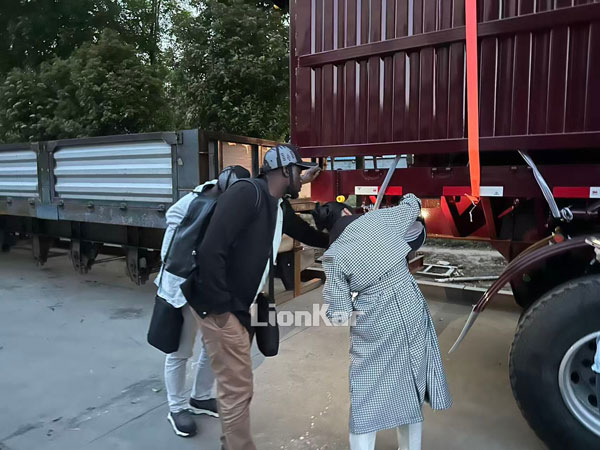
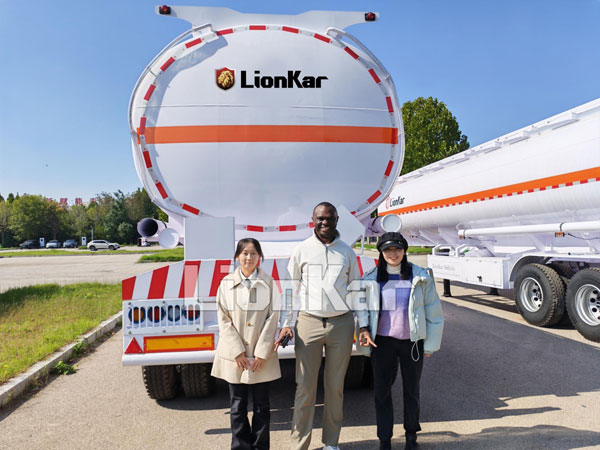
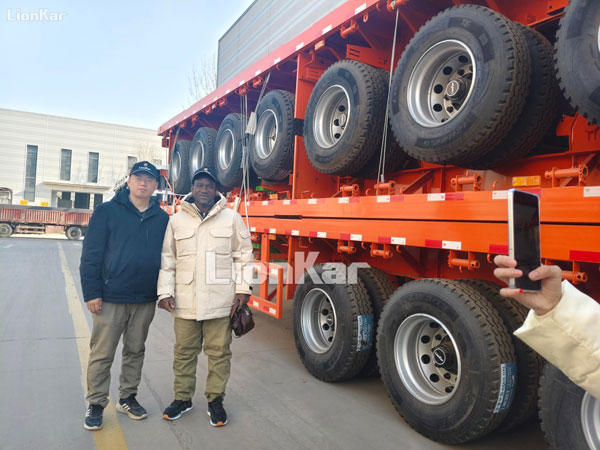
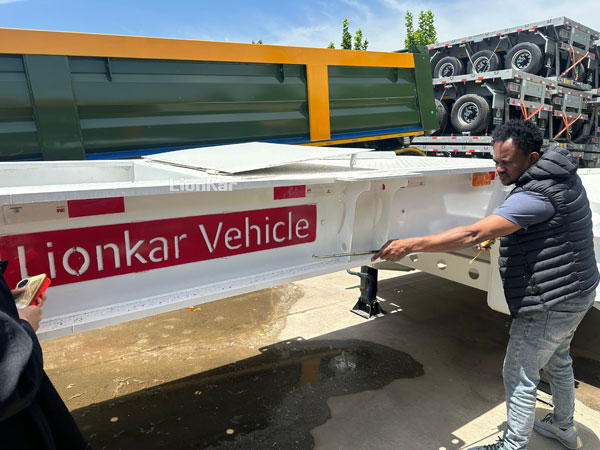
Customer visit records connected with factory meetings, flatbed semi trailer discussions, production communication, and project-related visits during different stages of trailer manufacturing and commercial cooperation.
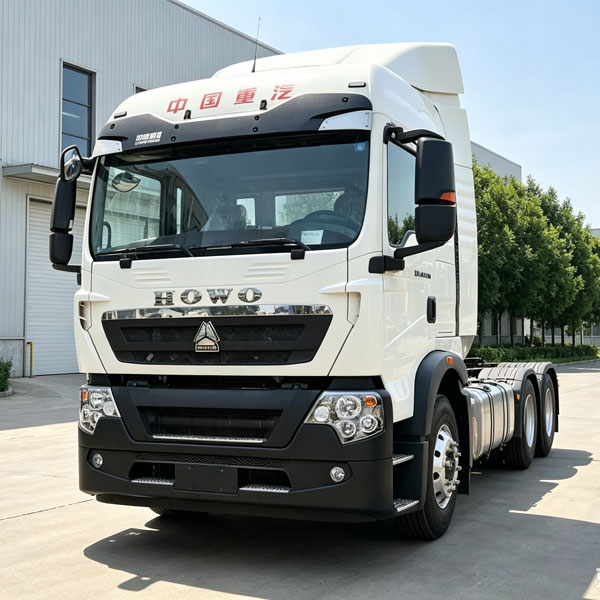

Shipping preparation records associated with flatbed semi trailer orders, covering protective handling, trailer preparation, loading arrangements, and export processes completed before international shipment.
The following questions cover common factors involved in flatbed semi trailer configuration and production planning.
A flatbed semi trailer is commonly used for transporting containers, steel products, timber, machinery, palletized freight, bagged cargo, and project materials. Its open deck structure allows cargo loading from the top, side, or rear depending on loading conditions and freight type.
Forty-foot flatbed semi trailers remain one of the most widely used configurations for container transport and general commercial freight operation. Platform dimensions may vary depending on cargo length, route restrictions, and transport application requirements.
Three-axle flatbed semi trailers are widely used for standard freight operation, while four-axle configurations are more common for heavier cargo applications or markets operating under stricter axle load regulations. Final axle layout depends on payload requirement and transport conditions.
Flatbed semi trailers can be configured with container locking systems designed for 20ft and 40ft container transport. This configuration is commonly specified for port transport, inland container movement, depot transfer, and mixed freight operation.
The main beam forms the primary structural support throughout loading and transport operation. Beam dimensions, steel grade, and chassis design directly influence payload capacity, frame durability, and long-term structural performance under commercial transport conditions.
With a source factory where flatbed semi trailers can be custom-built, and with years of experience in production, choose us to maximize your benefits.

Reach us on WhatsAppThe following content will also be sent to WhatsApp