
Fuel Tanker Semi Trailers for Sale
LionKar fuel tanker semi trailers are widely used in the transportation between Nigeria’s refinery-to-depot, depot-to-station, regional distribution, and industrial delivery operations with configurable capacities and safety systems.
- Typical Loading Capacity: 25,000–45,000 L | Compartments: 1–6
- Configuration: 2 / 3 / 4 Axles | Multi-Compartment Options








What You Should Know About Fuel Tanker Trailer?
A fuel tanker semi trailer is a non-pressurized road tanker built to transport liquid petroleum products in bulk behind a tractor unit. In Nigeria, LionKar fuel tanker semi trailer is mainly used for fuel distribution between refineries such as Dangote Refinery, import terminals, petroleum depots, filling stations, regional distribution points, and large commercial or industrial storage facilities.
For most Nigerian fuel-distribution, typical configurations usually fall within 25,000–45,000 L rated/calibrated capacity, with 3 axles being common for higher-capacity trailers, that fully meets Dangote tanker trailer requirements. Carbon steel is typical for durability, repairability, and purchase cost, and aluminum alloy tankers may cost more initially, but their lower tare weight and corrosion resistance can provide operational benefits over time.
NMDPRA has moved the petroleum road-transport sector toward a 45,000-litre maximum loading level, making 45,000 L an important upper reference for new fuel tanker configurations intended for the Nigerian market.
Fuel Tanker Trailer Types
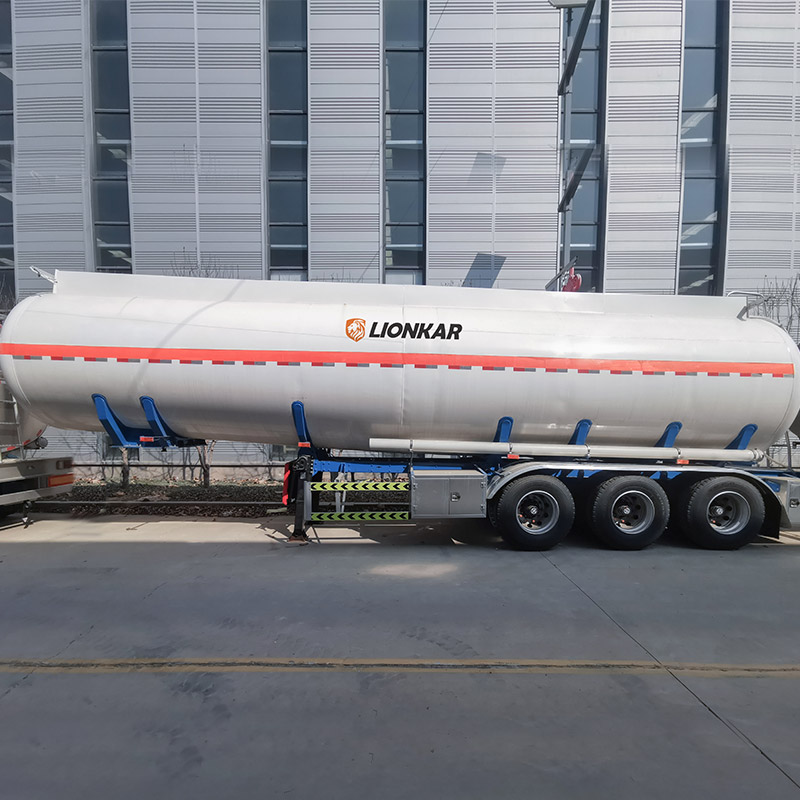
3 Axle 30,000L Fuel Tanker Semi Trailer
A fuel tanker semi trailer with 30,000L rated capacity is good at filling-station delivery, shorter hauls, and sites where handling and lower gross operating weight is required.

3 Axle 35,000L Fuel Tanker Semi Trailer
A fuel tanker semi trailer with 35,000L capacity is a balanced choice of transport volume, axle loading, and handling for regional depot-to-station distribution and mixed urban-highway operation.

3 Axle 45,000L Aluminum Fuel Tanker Semi Trailer
A fuel tanker semi-trailer with a lightweight aluminum tank reduces tare weight and fuel consumption, while providing corrosion resistance and supporting higher payload efficiency in some applications and frequent long-distance fuel transport.

3 Axle 42,000L Fuel Tanker Semi Trailer
A fuel tanker semi-trailer with a 42,000 L rated capacity is suited to high-volume depot distribution where operators require a robust carbon-steel tank without moving to the larger 45,000 L capacity class.
Fuel Tanker Trailer Parameters
LionKar fuel tanker trailer specifications include rated capacity, transported product, compartment layout, axle loading and discharge requirements, allowing Nigerian operators to match the trailer to actual routes and delivery conditions.
| Parameter | Available Range |
| Tank Capacity | 25,000–45,000 L / 25–45 CBM typical, 49,000–60,000 L optional |
| Tank Material | Carbon Steel / Aluminum Alloy |
| Compartments | 1–6 compartments |
| Axles | 2–4 axles, 3 axles typical |
| Tank Shell Thickness | 5–6 mm carbon steel / 5–6 mm aluminum |
| Suspension | Mechanical / Air Suspension |
| Discharge Size | 4″ standard; 3″ optional |
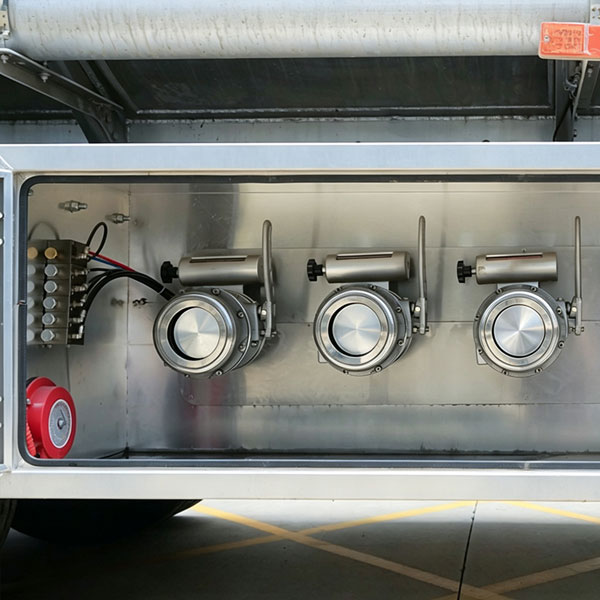
| Bottom Valve | 4″ emergency bottom valve, one per compartment |
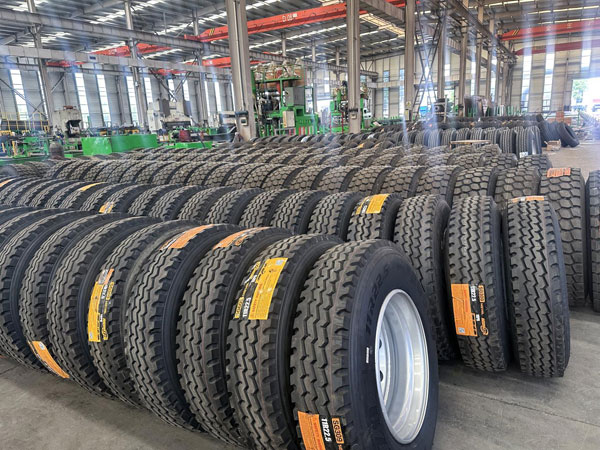
| Tire Size | 12R22.5 / 315/80R22.5 |
| Brake System | Air Brake + ABS Standard / EBS Optional |
| Main Application | Petrol (PMS) / Diesel (AGO) / Kerosene (DPK) |
Customisation note: Any custom configuration remains subject to engineering review and target-market requirements.
Detail Videos of Fuel Tanker Trailers
These videos show fuel tanker trailers exported to Nigeria, including different tank materials and capacities selected around payload efficiency, fuel distribution routes, local tractor combinations and customer operating requirements.
This 42,000L aluminum fuel tanker trailer uses a lighter tank body structure to reduce trailer tare weight, an advantage for Nigerian operators covering longer routes where payload efficiency and corrosion resistance receive greater attention.
This 45 CBM fuel tanker trailer for Nigeria provides higher rated volume for bulk petroleum distribution, with its compartment, axle and discharge arrangement adaptable to depot transfer, filling-station supply and regional delivery work.
Fuel Tanker Design for Nigerian Operating Conditions
Tank capacity is only one part of your fuel tanker semi-trailer design. Vehicle balance, axle loading, compartment arrangement, delivery pattern, road conditions and tractor compatibility all affect your trailer operating performance. These factors are very important when a tanker regularly operates near its rated capacity.
Vehicle Balance and Load Distribution
Tank position, kingpin location, axle-group position and chassis support determine how loaded weight is shared between the tractor fifth wheel and trailer axles. If you change one factor, then the load will shift elsewhere even when tank capacity remains unchanged.
LionKar considers the trailer as a complete load-distribution system. The layout is designed to keep kingpin and axle-group loads, but reduces rear-axle overload, uneven tyre loading and poor weight distribution near full capacity.

Compartment Arrangement and Delivery Pattern
Additional compartments bring more internal structures, valves, fittings and service points, increasing weight and maintenance requirements. Three compartments have simpler systems, it usually suits larger-volume depot or filling-station deliveries. Four- or five-compartment layouts have more flexibility for separated loads or multiple delivery drops.
LionKar adjusts compartment number, volume and position according to your actual loading method, delivery frequency, product-separation requirements and vehicle weight distribution, rather than treating a higher compartment count as a single factor or upgrade.

LionKar Manufacturing Capabilities & Global Reach
LionKar is a professional fuel tanker trailer manufacturer with 17-year of experience in vehicle production, overseas supply and customer service. Our experience with Nigerian and other African markets helps us understand practical requirements involving capacity, road conditions, tractor compatibility, maintenance and petroleum distribution, allowing each project to be discussed from actual operating conditions rather than from a fixed specification.
LionKar Factory View & Service
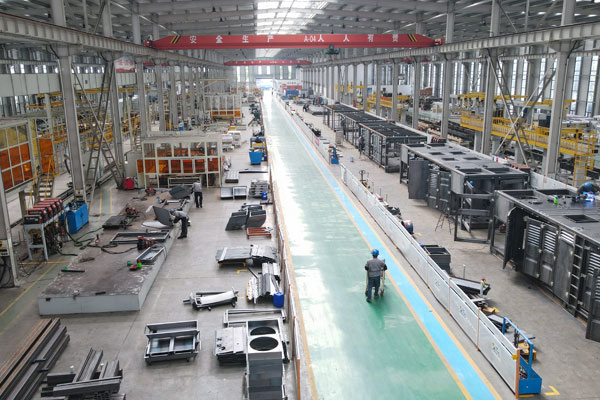
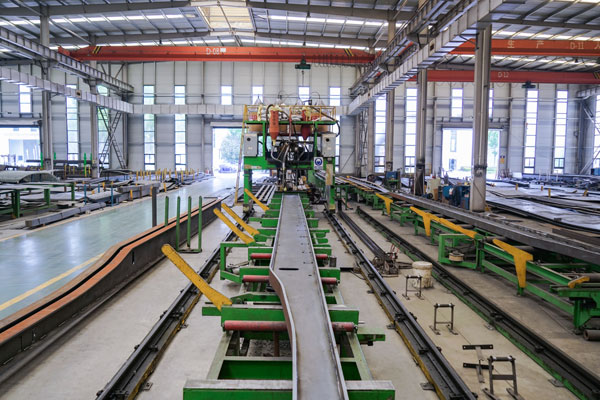
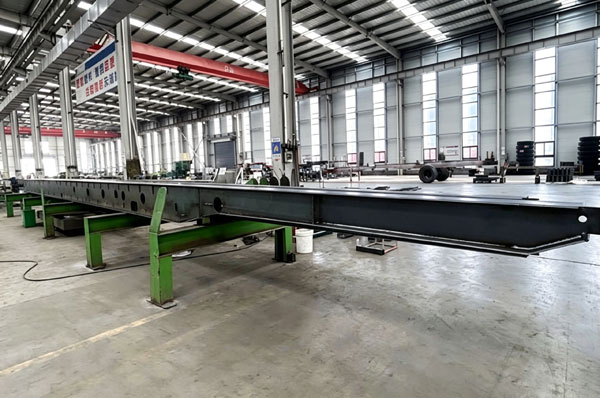
Fuel tanker trailer production requires dedicated tank-forming, welding, chassis fabrication, assembly, surface-treatment and testing equipment. LionKar combines these processes within its manufacturing system, allowing tank capacity, compartment arrangement, material, piping, axle layout and safety equipment to be adjusted for different petroleum products.
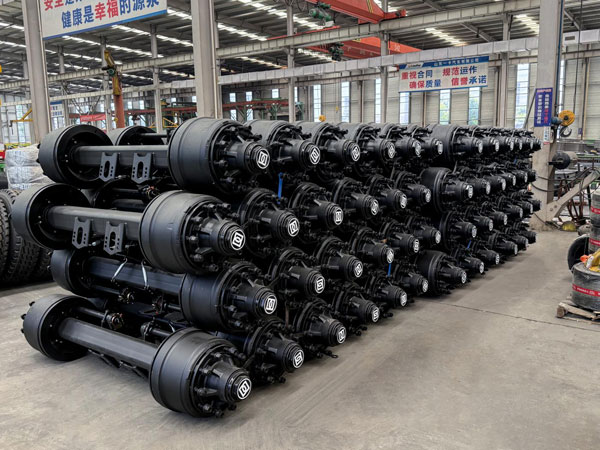
After delivery, semi trailer service may include follow-up support related to spare parts supply, component replacement, maintenance requirements, and technical information for standard trailer systems. This commonly involves axle assemblies, suspension parts, landing gear, king pin components, lighting systems, and fence structure accessories.
After-Sale Services
- Maintenance and Repairs
- Warranty Support
- Replacement Parts
Accessories and Upgrades
- Trailer Accessories
- Performance Enhancements
- Safety Features
Pre-Sale Services
- Expert Consultation
- Product Demonstrations
- Rigorous Testing Procedures
- Certification Standards
Customization Services
- Tailored Designs
- Branding Options
- Customized Improvement
Which Fuel Tanker Trailer Fits Your Business?
A fuel tanker semi-trailer is mainly used for bulk petroleum distribution in Nigeria, transporting large volumes between supply points and end users. Our configurable tank capacities, compartment layouts and discharge systems can meet requirements set by local authorities and refineries such as Dangote, allowing the trailer to be matched to different delivery requirements.
Refinery & Depot Transfer
Fuel distribution between depots and gas stations commonly uses 30,000–50,000L fuel tanker trailers with 2 or 3 axles. Multi-compartment tanks are used for separated fuel grades or delivery points. Common loading and discharge configurations include API bottom loading, top loading and gravity discharge.
Filling Stations & Retail Distribution
Depot-to-filling-station delivery can choose a 30,000–35,000 L, 3-axle petrol tanker trailer with four compartments, its moderate capacity, easier handling and separated loads support repeated distribution of petrol, diesel and kerosene to retail outlets.
Industrial Sites & Power Supply
Factories, construction projects and large generator facilities require direct AGO delivery to on-site storage tanks without relying on retail fuel stations, they may choose a 35,000–42,000 L diesel tanker semi-trailer with three compartments and optional pump discharge.
Regional & Multi-Drop Distribution
Regional petroleum distributors sometimes need to make multiple deliveries per trip, we suggest a 42,000–45,000 L multi-compartment fuel tanker trailer with four or five compartments. Its separate compartments allow PMS, AGO and DPK to be transported for delivery to multiple filling stations or commercial customers.
Build Your Road Tanker Trailer With a Manufacturer
TeTell LionKar your fuel, capacity, delivery route and tractor specification to configure a fuel tanker trailer around your Nigerian operation.
What Our Customers Say About Lionkar Tanker Trailers
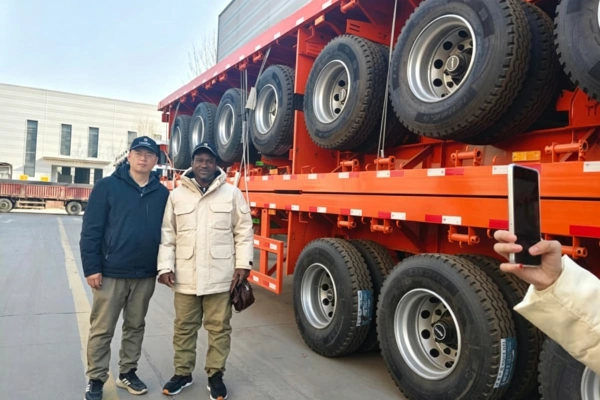
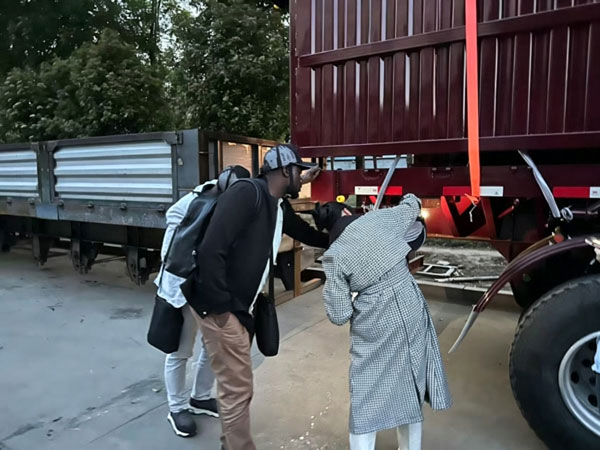
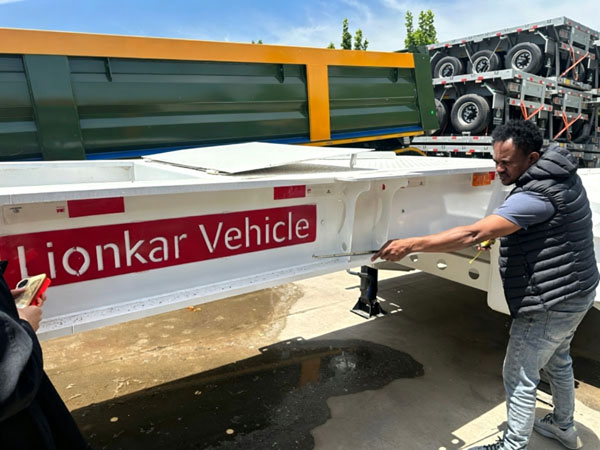
Customers visiting LionKar can compare materials, tank structures, components and production details directly, and discuss how a fuel tanker trailer will fit local loading practices, road conditions, maintenance resources and fleet operations.
A Nigerian customer examining the production line paid particular attention to compartment arrangement, bottom valves and axle positioning. His interest centered on how a fuel tanker trailer for Nigeria could serve depot-to-station distribution while remaining practical to maintain with components familiar to local workshops.
During his factory visit, a Zambian transport customer spent more time examining the chassis, suspension and tank supports than exterior appearance. Long transport distances and variable road conditions made him especially interested in how structural reinforcement influence tanker reliability over repeated regional trips.
An Ethiopian customer compared several tanker configurations with the tractor units already used by his fleet. Kingpin position, fifth-wheel compatibility, braking connections and spare-parts availability became important parts of the discussion.
Customers from All Over the World Visit Fuel Tankers
We welcome petroleum distributors, transport companies, fleet operators and equipment dealers to visit the LionKar factory. Customers can inspect details and available configurations before selecting a fuel tanker trailer suited to their operating conditions.
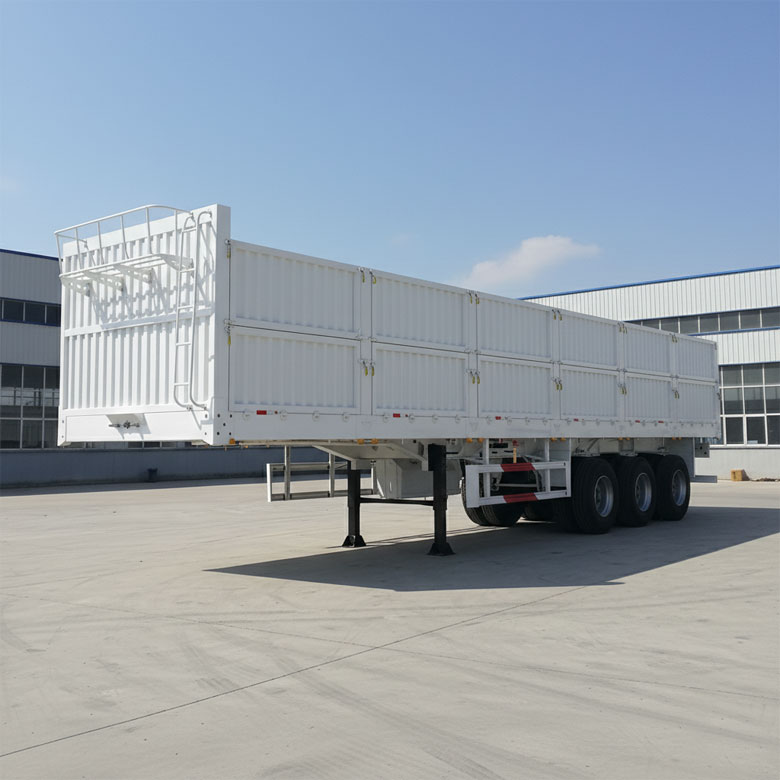
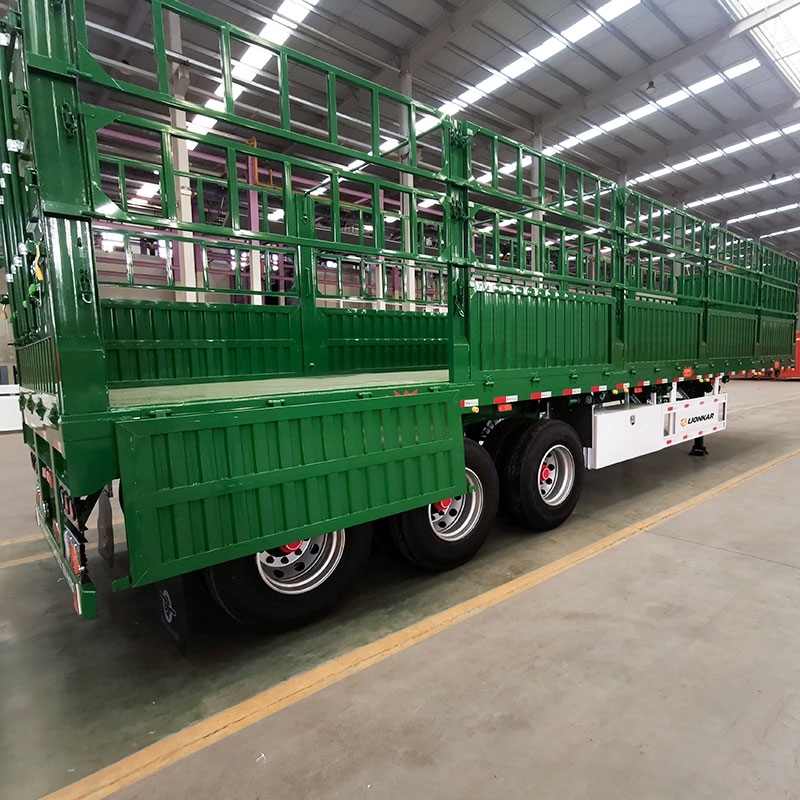
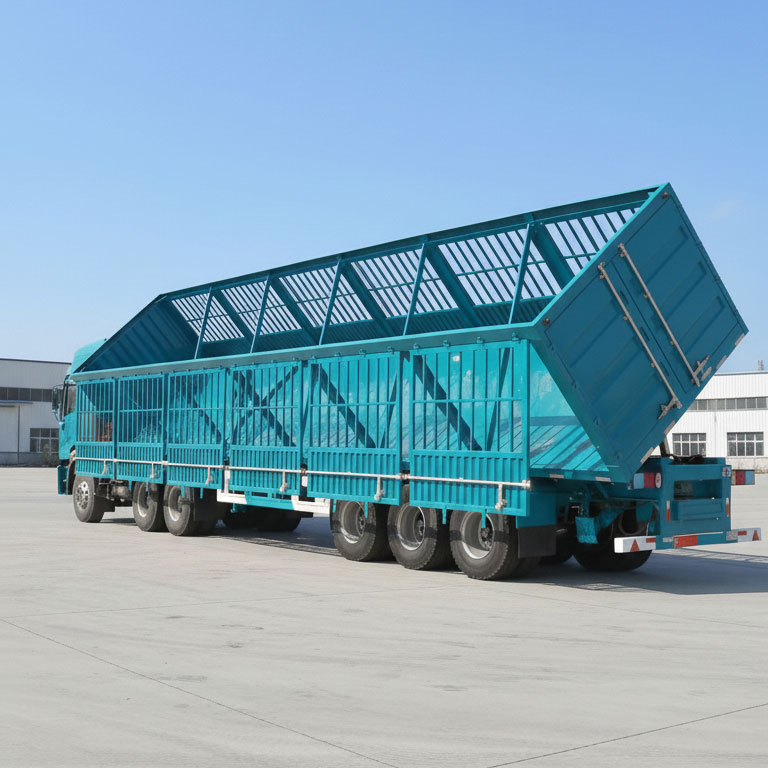
Semi Trailers Related to Fuel Tanker Trailers









Tractor Trucks Related to Fuel Tanker Trailers
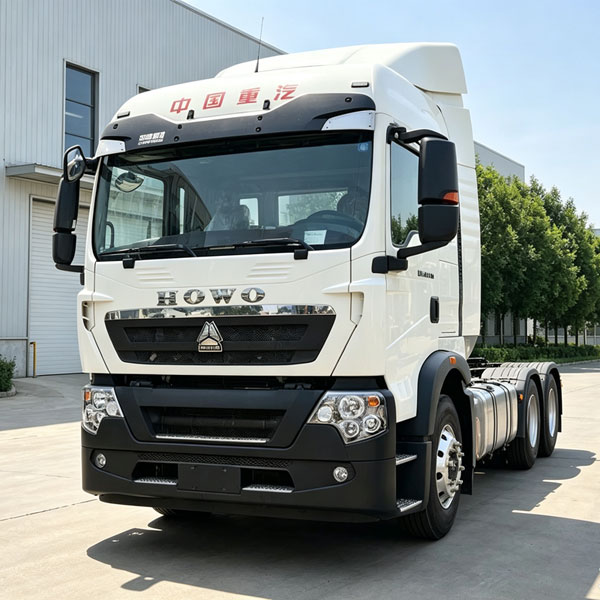
Sinotruk HOWO TX
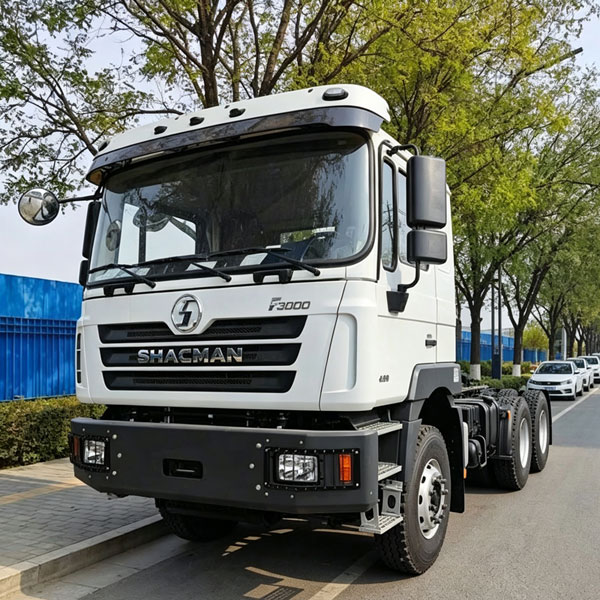
Shacman F3000
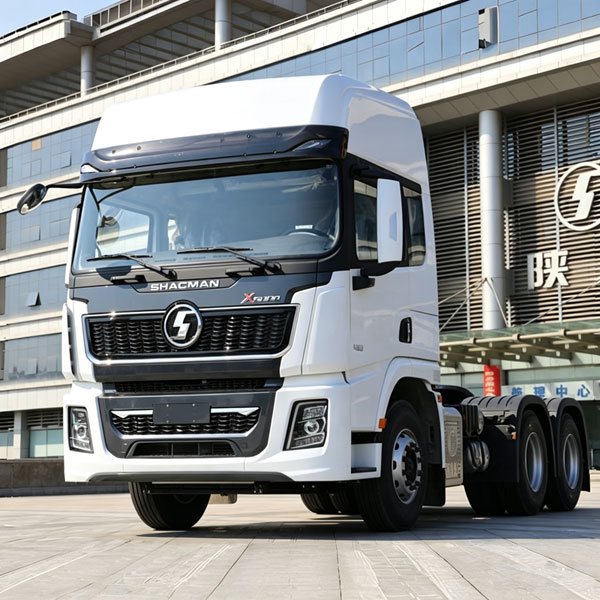
Shacman X5000
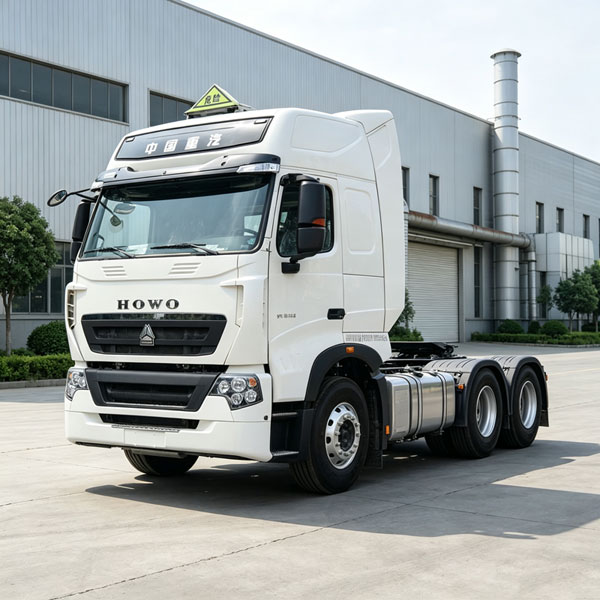
Sinotruk HOWO T7H
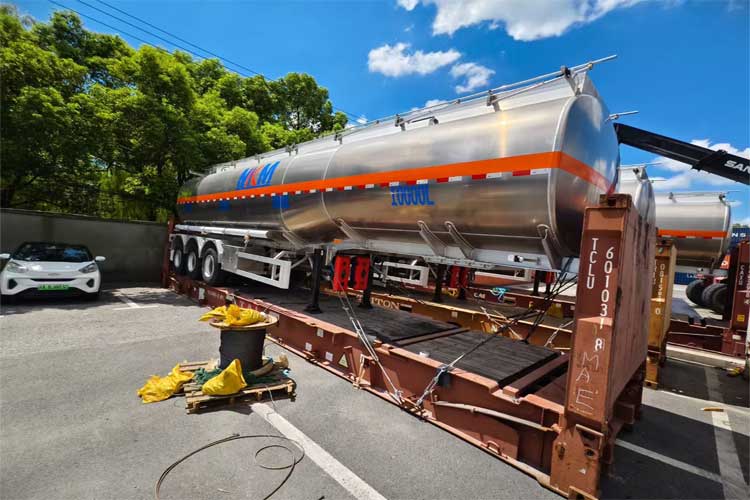
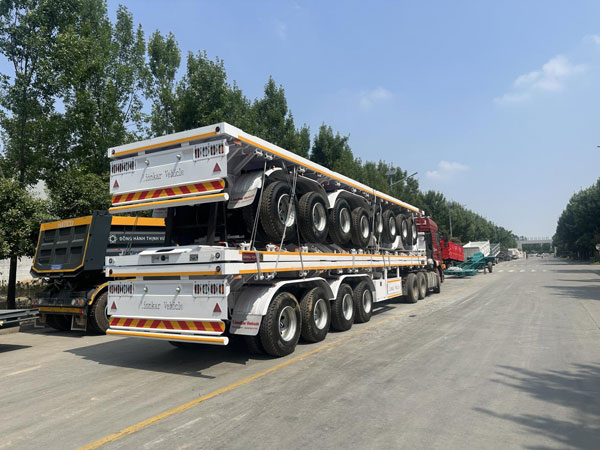
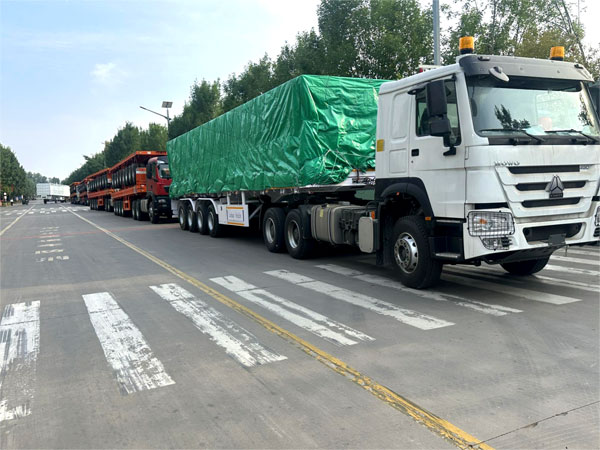
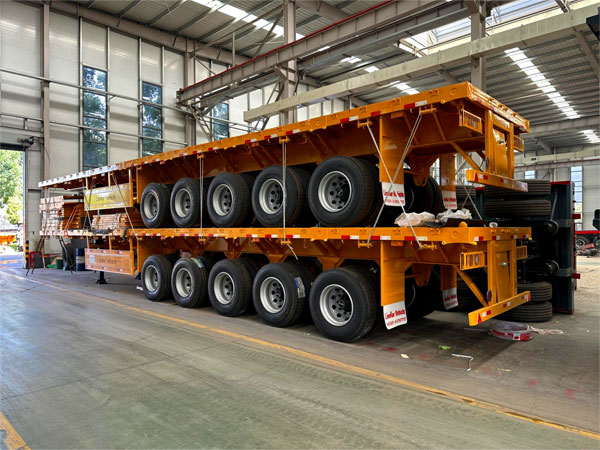
Fuel Tanker Trailer Packaging & Shipment Preparation
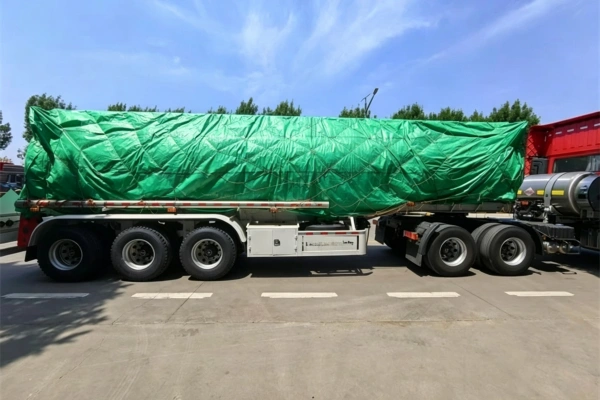
Before a fuel tanker semi trailer ships from China to countries such as Nigeria, tank surfaces, valves, piping, brakes and electrical connections are inspected. Exposed steel, kingpin, landing gear and discharge fittings get marine corrosion protection, while vulnerable connectors are moisture-protected for RoRo or breakbulk transport to Lagos ports such as Apapa and Tin Can.



Fuel Tanker Trailer FAQs
Find quick answers about loading, discharge, fuel compatibility, Nigerian depot requirements, calibration and maintenance before selecting a fuel tanker trailer.
.
Does a fuel tanker semi trailer need a pump, or is gravity discharge enough?
A fuel tanker semi trailer does not always need a pump. Gravity discharge is usually sufficient when the receiving tank is lower than the trailer outlet and the site has suitable piping.
A 4-inch outlet is a faster flow choice when a 3-inch outlet discharges slowly, but hose length, pipe resistance and height difference also affect unloading speed.
Pump discharge is more useful for industrial storage tanks or sites where gravity flow is too slow or unavailable.
Should a fuel tanker trailer use top loading or bottom loading?
The right loading system depends on the depots and terminals that receive cargo.
Top loading requires suitable manholes and safe access to the tank top. Bottom loading normally uses API couplings, bottom valves and overfill-control connections. A trailer can support both systems, but adding both only makes sense when the operating network actually uses them.
Can one multi-compartment fuel tanker carry PMS, AGO and DPK?
A multi-compartment fuel tanker trailer can carry different petroleum products in separate compartments when the valve and piping arrangement supports product separation.
The compartment walls are only one part of the system. Shared manifolds, hoses and residual liquid can still cause cross-contamination. Operators carrying PMS, AGO and DPK should therefore consider separate discharge paths or a controlled manifold layout, especially when product purity matters.
Do petrol and diesel require the same tanker configuration?
A petrol tanker trailer and a diesel tanker can use a similar basic tank structure, but some operating requirements are different.
Petrol is more volatile, so vapor control, static grounding, sealed connections and overfill protection become more important. Diesel service often places greater emphasis on discharge efficiency and frequent delivery to industrial storage tanks. Seals, hoses, valves and piping should always match the intended fuel.
Does a new or ADR-spec petroleum tanker automatically qualify to load in Nigeria?
No. A new or ADR-spec petroleum tanker semi trailer may still need to pass Nigerian operating and depot requirements before loading.
Safe-to-Load inspections can check items such as brakes, tyres, lights and air pressure. Tanker safety requirements also cover systems such as ABS, bottom valves, overfill protection and grounding. ADR-based design is useful, but it does not replace local inspection or terminal acceptance.
What does 45,000L capacity mean on a fuel tanker semi trailer?
For a 45,000L fuel tanker semi trailer, the 45,000L figure should refer to the rated or calibrated product capacity, not the total internal geometric volume of the tank.
The tank needs additional space above the liquid for the required filling condition and thermal expansion. Compartment capacities, tank markings and calibration documents should therefore use the same verified capacity figures.
Can a 45,000L petroleum tanker operate with a partial load?
A 45,000L petroleum tanker can physically carry less than its full capacity, but partial loading is not only a volume issue.
A partly filled compartment changes liquid surge and weight distribution during transport. Nigerian petroleum regulations also place restrictions on part cargo, with specific exceptions. Operators that frequently carry partial loads should consider this when selecting compartment sizes and planning loading procedures.
Looking for a factory-direct fuel tanker semi trailer manufacturer?
Buy directly from Lionkar for custom-built trailers and better control over your sourcing costs.