
Fuel Tanker Trailers for Sale, 20,000–60,000 Liters, China Manufacturer
LionKar fuel tanker semi trailer offers configurable solutions matched to your tractor, delivery routes, and loading requirements in Kenya, with tailored specifications and export quotations.
- Tank Capacity: 19,000–45,000 L Typically, 50,000–90,000 L Available
- Configuration: 2 / 3 / 4 Axles | 1–5 Compartment Options








What Is a Fuel Tanker Trailer?
A fuel tanker semi trailer refers to an atmospheric (non-pressurized) tank semi-trailer that couples to a tractor unit by means of a kingpin and fifth wheel. It is used to carry petroleum fuels in bulk—mainly diesel, petrol, and kerosene—between storage depots and distribution points. It is also widely known as a petroleum tanker semi-trailer, a fuel tank trailer, or an oil tanker trailer.
Kenya’s petroleum pipeline and depot network connects Mombasa with Nairobi, Nakuru, Eldoret, and Kisumu. For East African countries such as Kenya, 19,000L, 24,000L, 28,000L, and 35,000L are important regulatory capacity reference points, depending on the tractor–trailer axle combination and total tare weight. Kenyan manufacturer Bhachu Industries Limited also markets a Monoblock Tanker, providing an example of locally manufactured tanker designs.
Fuel Tanker Trailer Types
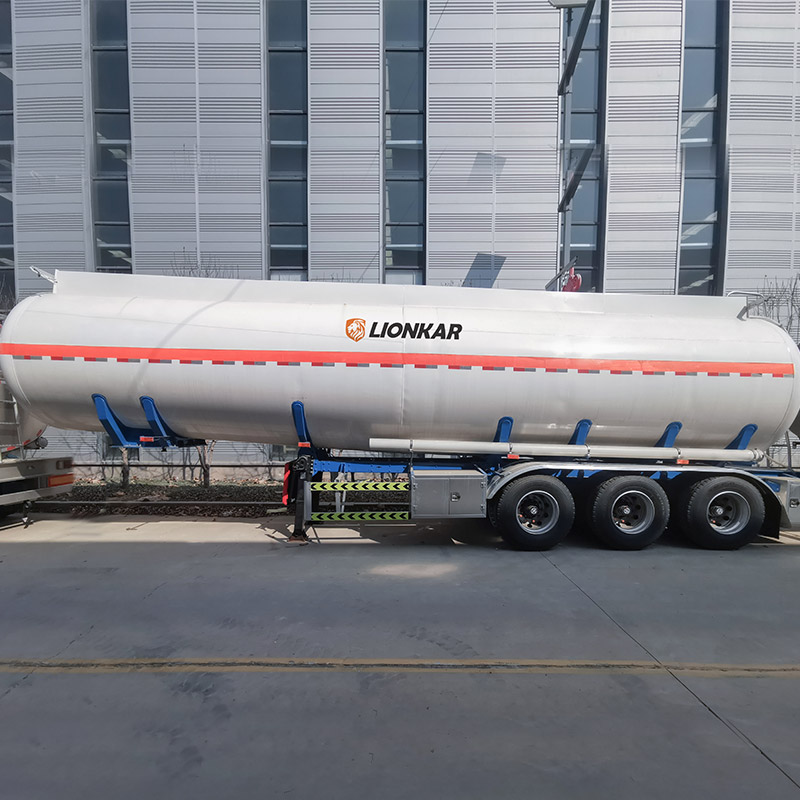
20,000L 2-Axle Fuel Tanker Semi Trailer
Optional sealed compartments separate delivery batches, while simpler running gear and manageable vehicle size suit depot-to-customer and multi-stop distribution.

35,000L 3-Axle Fuel Tanker Semi Trailer
Bulk capacity with optional independent compartments and dedicated discharge lines supports separate petrol/diesel deliveries, subject to tractor compatibility and Kenyan weight limits.

45,000L 3-Axle Aluminium Fuel Tanker Semi Trailer
Aluminium alloy tank reduces tare weight and improves corrosion resistance; three-axle design suits high-volume transport subject to route-specific approvals.

42,000L 3-Axle Fuel Tanker Semi Trailer
42,000L nominal-capacity welded steel tanker offers configurable compartments; single-product layouts simplify discharge piping and maintenance for approved bulk fuel transfers.
Fuel Tanker Trailer Parameters
Review tank capacity, compartment volumes, tare weight, axle arrangement, and discharge fittings before selecting a fuel tanker trailer for Kenya. Tractor compatibility and permitted diesel loads depend on the complete vehicle combination.
| Parameter | Configuration Options |
| Tank Capacity | 20,000L / 28,000L / 35,000L / 42,000L / 45,000L / Custom |
| Tank Material | Carbon Steel / Aluminium Alloy |
| Axles | 2 Axles / 3 Axles |
| Compartments | 1 / 2 / 3 / 4 / 5 Compartments |
| Suspension | Mechanical Suspension / Air Suspension |
| Loading System | Top Loading / Bottom Loading |
| Discharge System | Gravity Discharge / Pump-Assisted Discharge |
| Discharge Piping | Shared Manifold / Dedicated Compartment Lines |
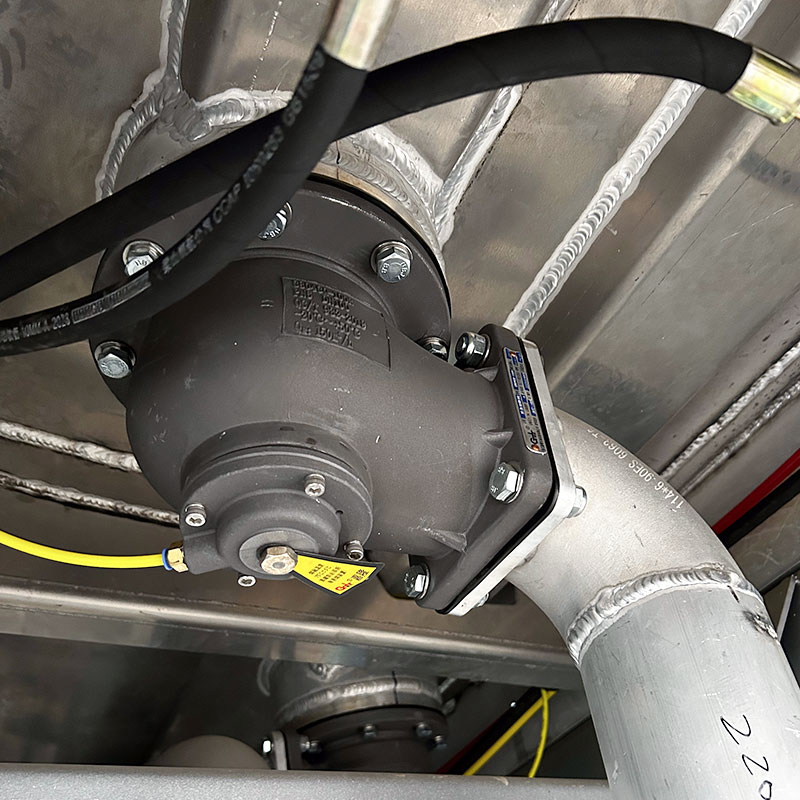
| Bottom Valves | Individual Compartment Valves / Pneumatically Operated Valves |
| Loading & Safety Equipment | API-Compatible Adapters / Overfill Protection Interface / Bonding Connections / Vapour Recovery Interface |
| Braking System | Air Brakes / Air Brakes with ABS |
| Cargo Applications | Diesel / Petrol / Kerosene / Other Compatible Petroleum Products |
Customisation note: Any custom configuration remains subject to engineering review and target-market requirements.
Detail Videos of Fuel Tanker Trailers
LionKar exports fuel tanker trailers to Kenya, where depot-to-distributor transport requires specific tank and unloading configurations. The following videos present two 35,000 L tanker configurations for the Kenyan market.
This three-axle aluminum fuel tanker trailer features a lighter tank structure for Kenyan petroleum distribution. Its compartment and discharge arrangements can be configured for petrol deliveries from depots to service stations.
This 35m³ fuel tank trailer is configured for bulk diesel delivery to industrial storage sites in Kenya. The video focuses on tank construction and discharge connections used during depot-to-customer transport.
Why Choose LionKar Fuel Tanker Semi Trailers for countries such as Kenya
LionKar’s fuel tanker semi trailer configurations are engineered to tackle axle-load balance, fuel surge, product separation, depot compatibility, and maintenance access, so that Kenya’s fuel transport requirements are fully met.
Balanced Axle Loading for Improved Weight Utilization
Fuel weight is shared more evenly between the tractor and trailer axles thanks to optimized tank placement, kingpin geometry, and axle spacing.
Compartment layouts may likewise be arranged around the planned unloading sequence, which keeps load imbalance in check during multi-stop deliveries. As a result, more of the permitted carrying capacity can be put to use, while the risk of uneven axle loading is brought down.

Bottom-Loading Interfaces for Depot Compatibility
For petroleum terminals that are compatible, optional 4-inch API-standard loading adapters, overfill protection interfaces, and electrostatic bonding connections can be specified. Valve positioning and connection clearances can be aligned with the customer’s own loading equipment.
As Kenyan depots continue to expand their bottom-loading infrastructure, these features ease interface-related difficulties and support controlled loading operations.

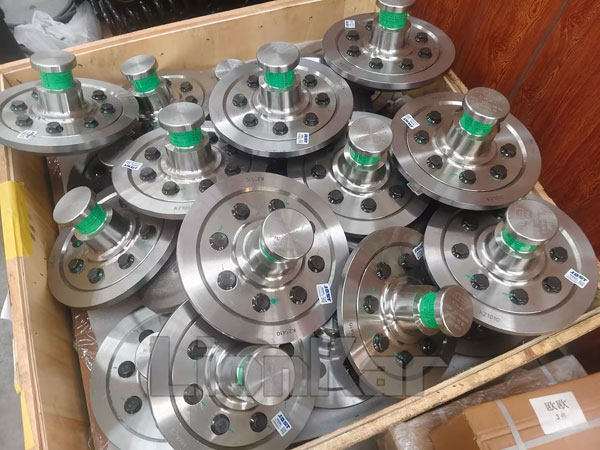
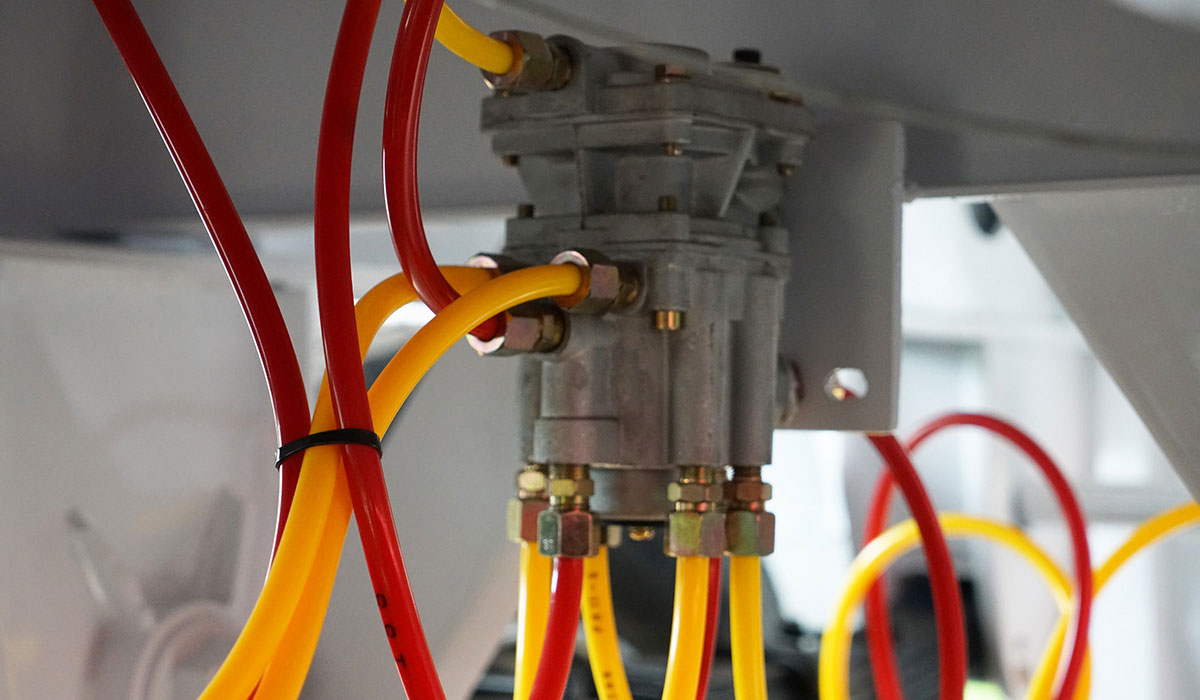
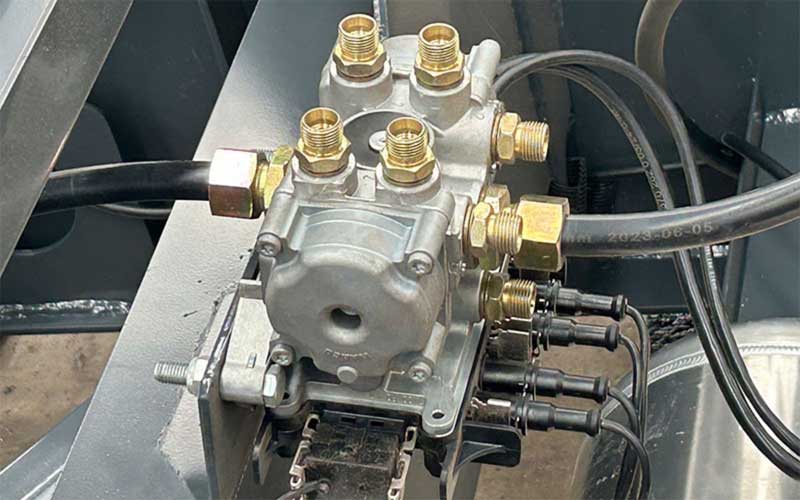
Fuel Tanker Trailer Details, Parts & Components
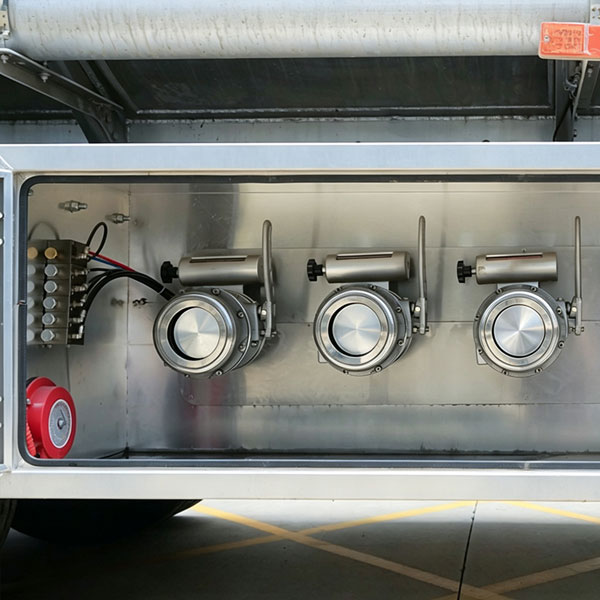
Fuel tanker parts & components directly affect how a fuel tanker trailer loads, transports, and unloads petroleum. For Kenyan routes, accessible fittings and clearly identified replacement parts help operators inspect leaks, service running gear, and maintain compatible discharge connections.
LionKar Manufacturing Capabilities & Global Reach
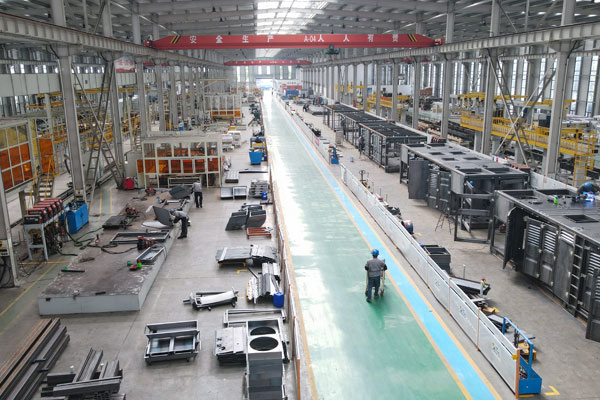
LionKar manufactures fuel tanker trailers for petroleum distribution and industrial fuel supply, with 17 years of industry experience, exports to 60 countries, and a 75,000 m² manufacturing facility. Our experience supports technical discussions on tractor combinations, tank materials, loading connections and maintenance requirements for customers in Kenya and other African markets.
LionKar Factory View & Service
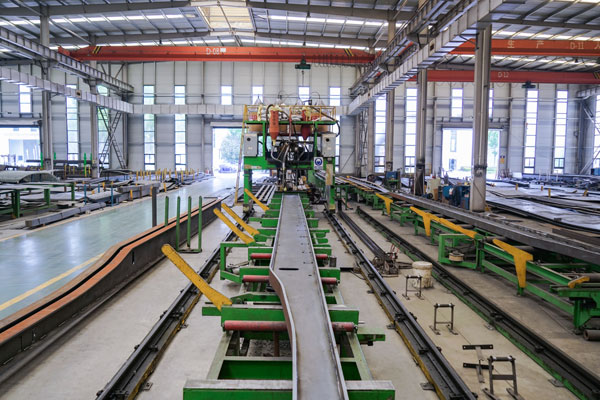
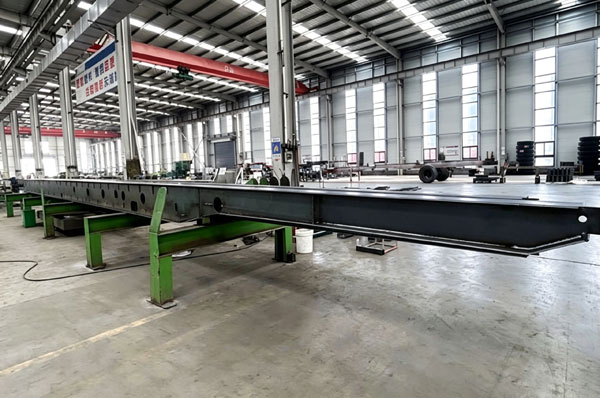
Fuel tanker semi-trailer production uses dedicated fabrication and inspection equipment for controlled tank construction. Different compartment layouts, tank materials, valve positions and discharge systems can be specified according to the intended transport operation.
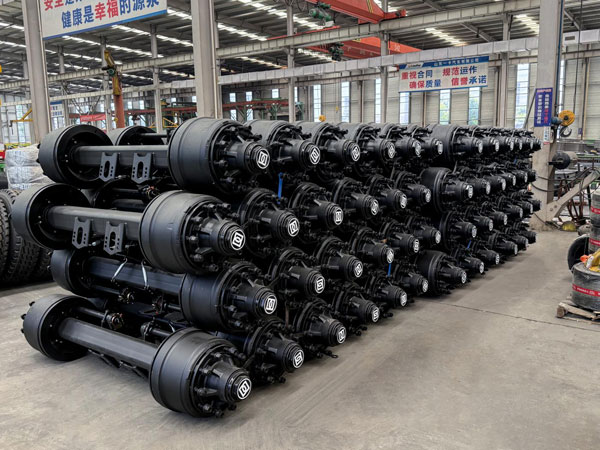
After delivery, semi trailer service may include follow-up support related to spare parts supply, component replacement, maintenance requirements, and technical information for standard trailer systems. This commonly involves axle assemblies, suspension parts, landing gear, king pin components, lighting systems, and fence structure accessories.
After-Sale Services
- Maintenance and Repairs
- Warranty Support
- Replacement Parts
Accessories and Upgrades
- Trailer Accessories
- Performance Enhancements
- Safety Features
Pre-Sale Services
- Expert Consultation
- Product Demonstrations
- Rigorous Testing Procedures
- Certification Standards
Customization Services
- Tailored Designs
- Branding Options
- Customized Improvement
Fuel Tanker Semi Trailer Applications
Because the fuel tank can be divided into separate compartments, more than one product can be delivered on a single run, and a payload matched to the tractor lets operators plan road haulage around loading conditions and axle-weight ceilings.
Service Stations and Roadside Fuel Retailing
A 35,000-litre, three-axle multi-compartment petroleum tanker trailer carries petrol and diesel from depots in the Nairobi area and delivered to filling stations. With sealed compartments and dedicated discharge outlets, several fuel grades can be carried at once and discharged to designated underground storage tanks according to schedule.
Construction Sites and Industrial Fuel Supply
A 20,000-litre, two-axle diesel tanker semi-trailer keeps construction compounds and industrial plants supplied with bulk diesel for generators and machinery. Since the load is discharged by gravity into a suitable on-site storage tank, there is no need to park the trailer alongside each individual machine; the suitability of the tractor must nonetheless be checked.
Cross-Border Haulage and Wholesale Distribution
A 35,000-litre, three-axle cross-border fuel tanker semi-trailer transport petrol or diesel at depots around Eldoret and hauled towards Uganda along the Malaba corridor. Its bulk-delivery configuration is built to serve wholesale storage terminals, though approved axle loads, cargo limits, and customs formalities all apply.
Agricultural Supply and Regional Fuel Distribution
a 28,000-litre, three-axle regional fuel distribution trailer drawn by a suitably matched two-axle tractor loads diesel to agricultural cooperatives and county-level depots. These bulk loads top up the fixed tanks that feed tractors and irrigation pumps, while smaller trucks take care of deliveries at farm level.
Build Your Road Tanker Trailer With a Manufacturer
Share your tractor configuration and delivery route with LionKar to discuss a fuel tanker trailer suited to your operating conditions in Kenya.
What Our Customers Say About Lionkar Tanker Trailers
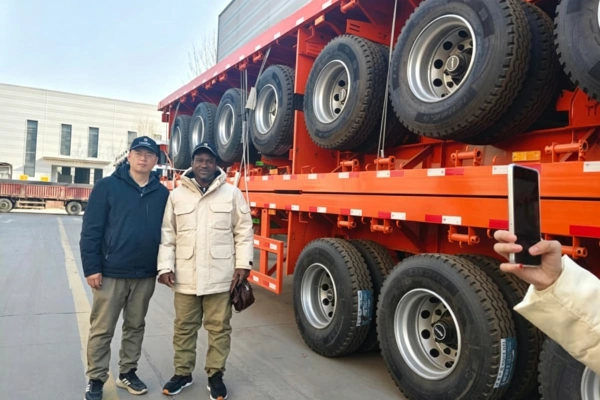
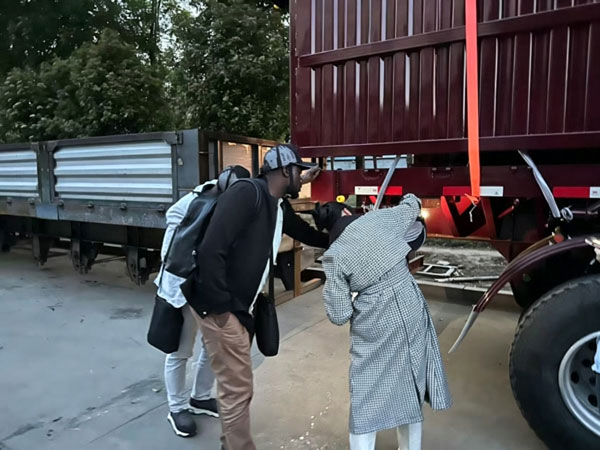
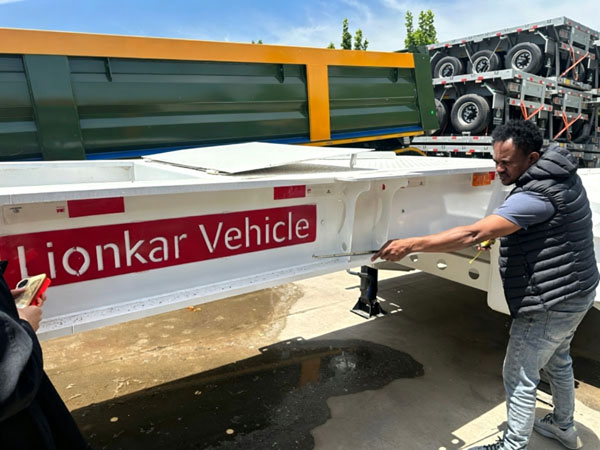
Factory visits allow fuel transport buyers to examine tank fabrication, compartment arrangements, and servicable components.
A Nigerian petroleum distributor reviewed the tanker’s compartment layout and discharge outlets for separate petrol and diesel delivery. The discussion covered valve locations and their compatibility with different underground storage tank connections.
A Zambian fleet representative reviewed the axle arrangement, suspension access and replaceable running-gear components. For long-distance diesel deliveries to mining and industrial sites, the discussion focused on maintenance access, running-gear specifications and tank capacity.
An Ethiopian transport customer reviewed tank-shell fabrication and internal compartment positioning. The discussion focused on depot-to-storage fuel delivery, including unloading sequence, load distribution and discharge connections.
Customers from All Over the World Visit Fuel Tankers
Fuel distributors, fleet operators and transport contractors can inspect tanker compartments, discharge arrangements and running gear during a LionKar factory visit. The visit also provides an opportunity to discuss trailer configuration, tractor compatibility and connections to receiving facilities.
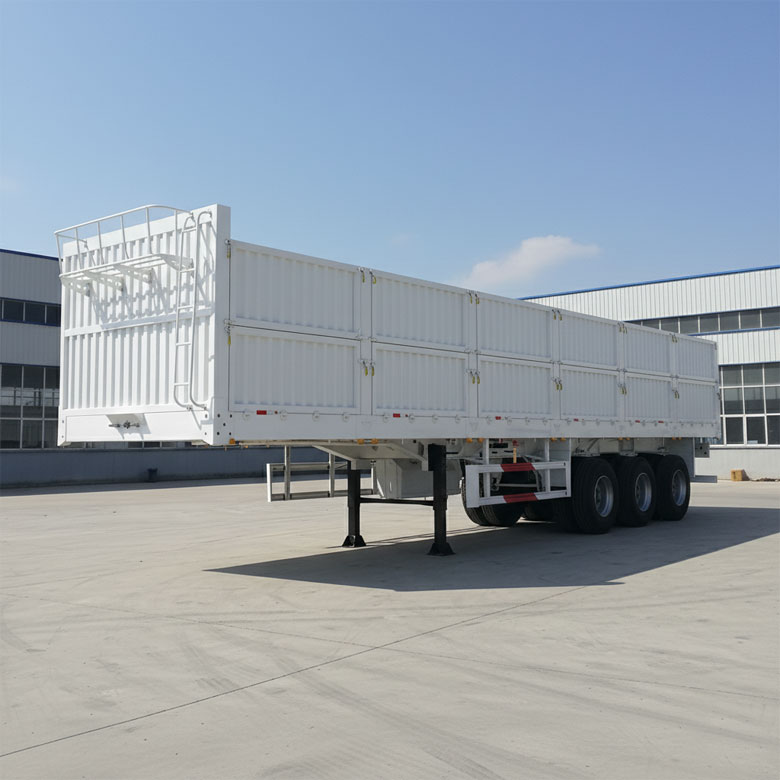
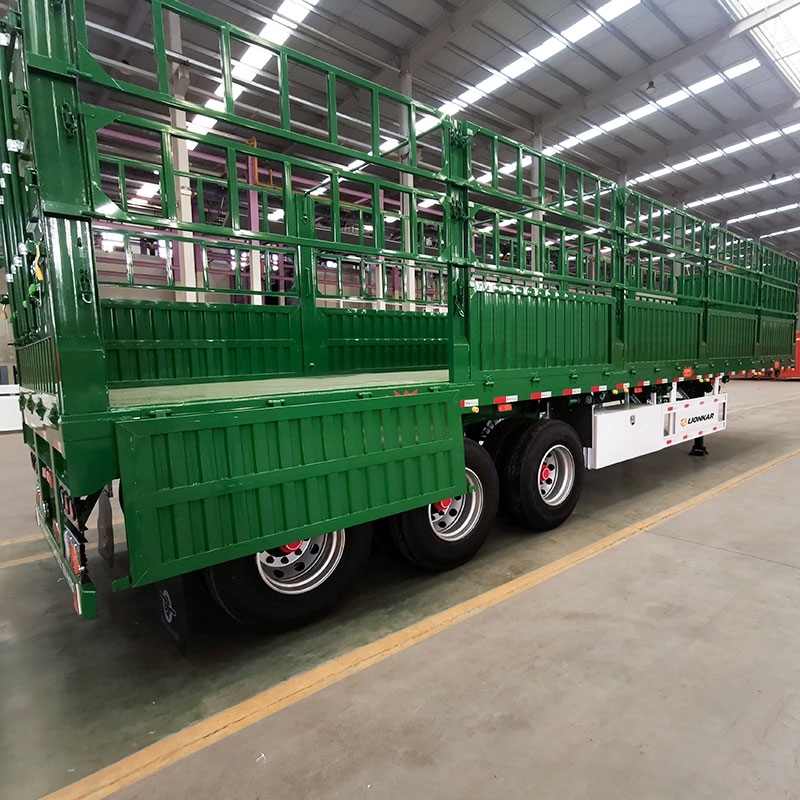
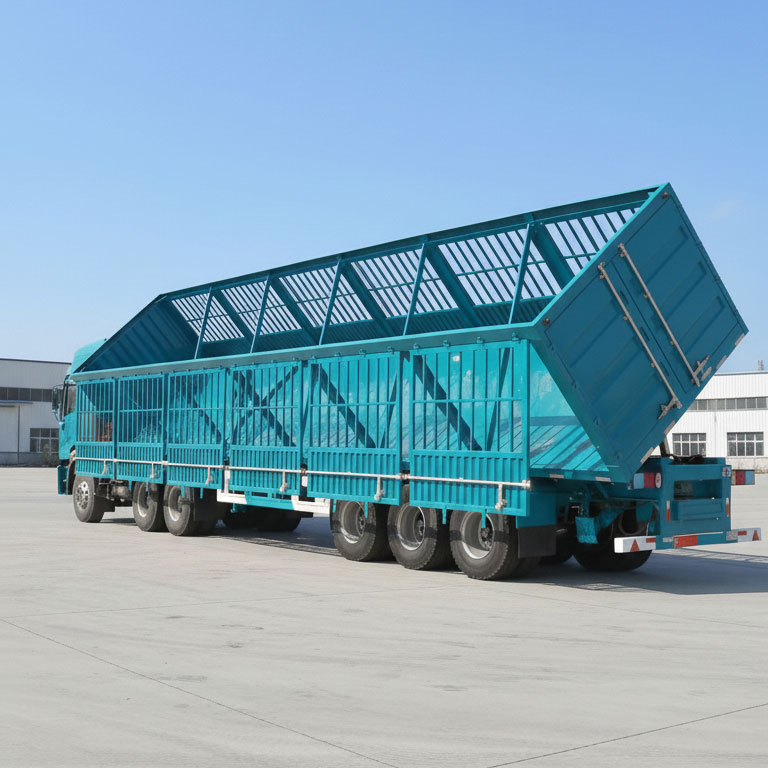
Semi Trailers Related to Fuel Tanker Trailers









Tractor Trucks Related to Fuel Tanker Trailers
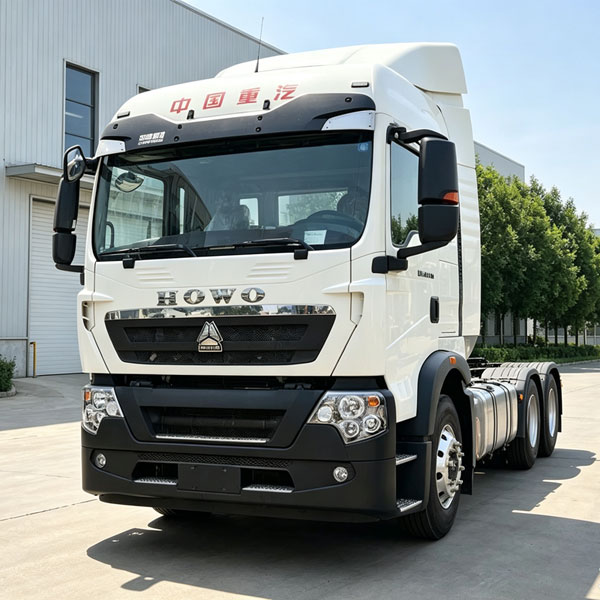
Sinotruk HOWO TX
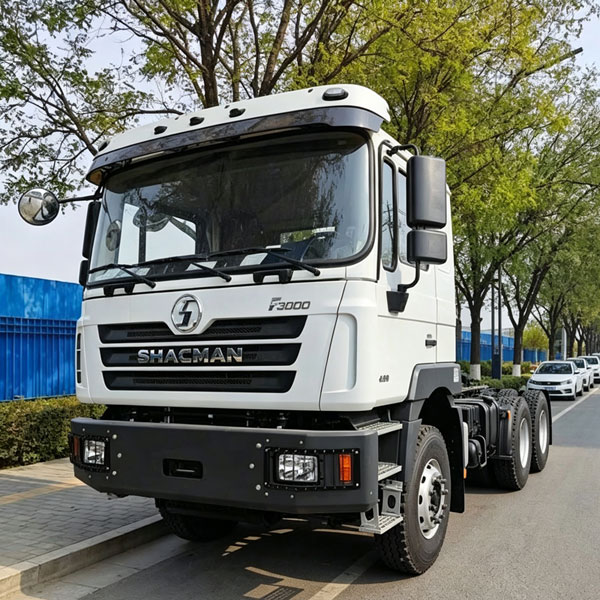
Shacman F3000
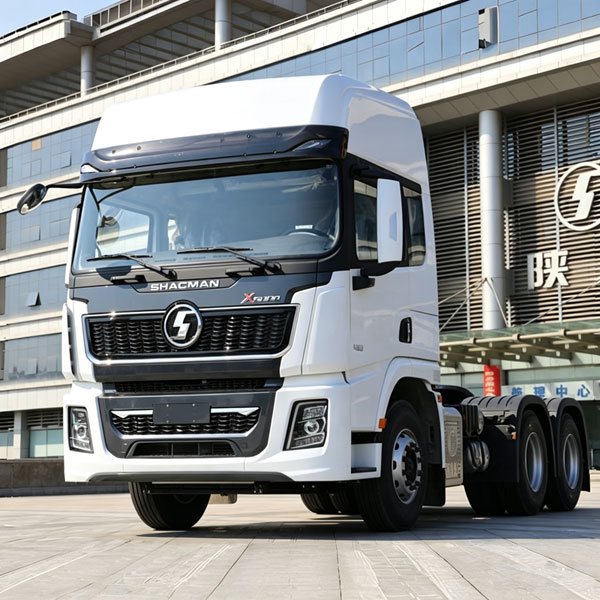
Shacman X5000
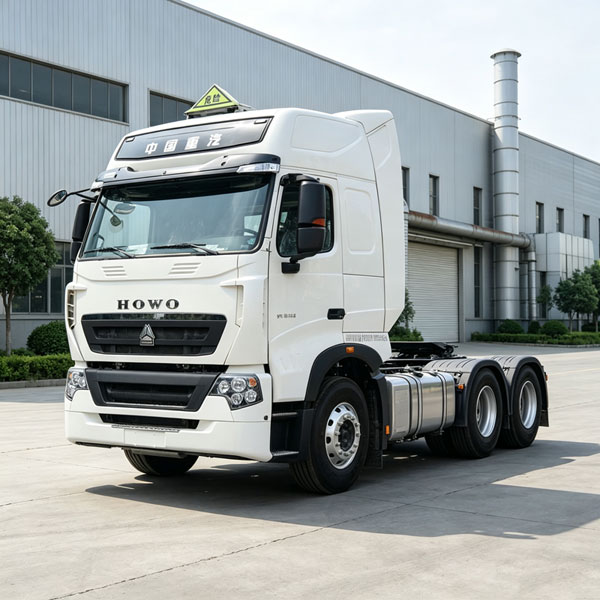
Sinotruk HOWO T7H
Fuel Tanker Trailer Packaging & Shipment Preparation
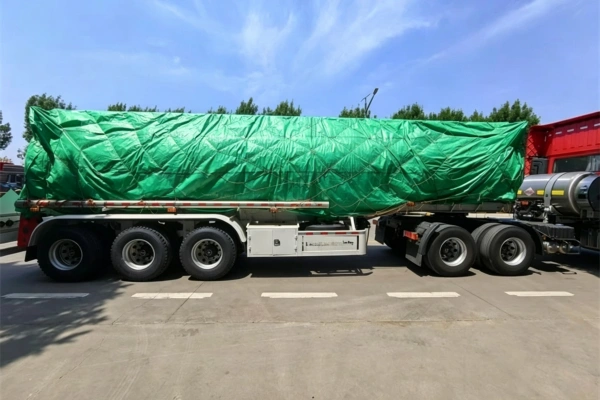
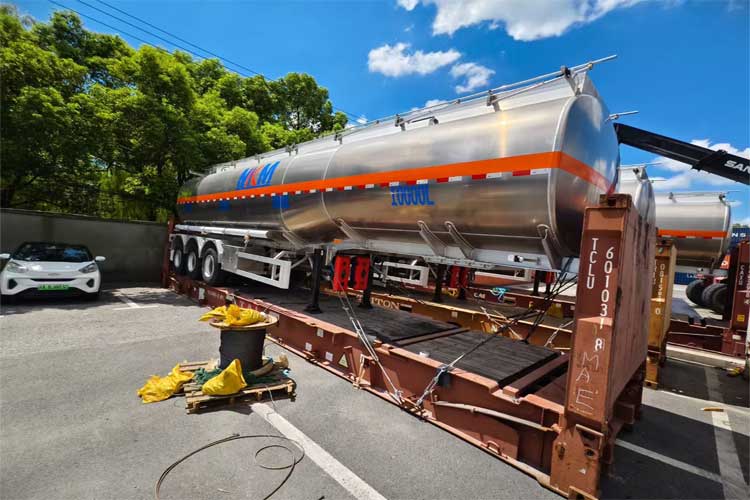
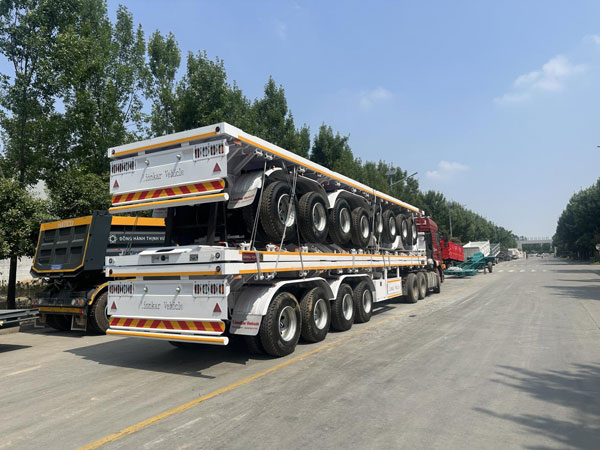
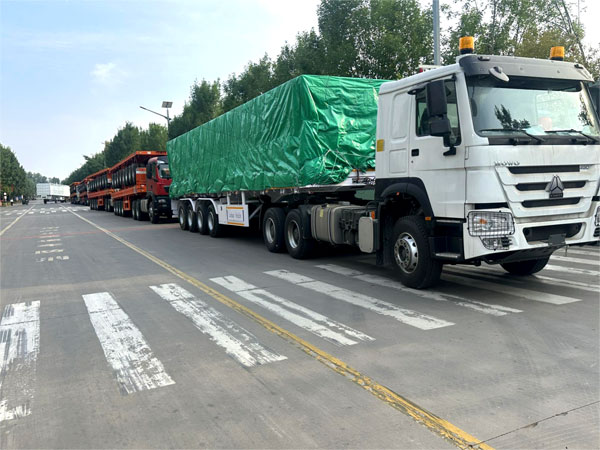
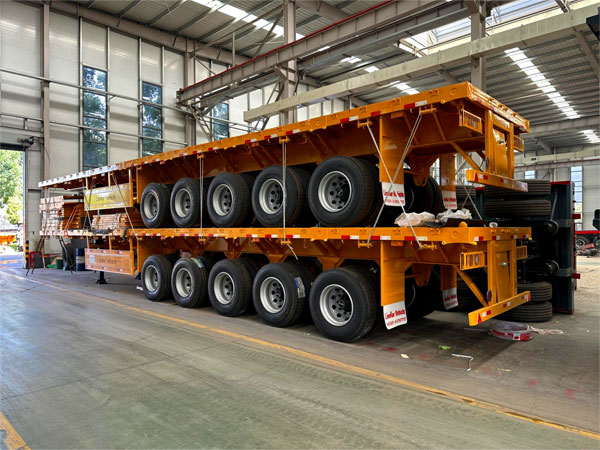
Before shipment from China to Kenya’s Port of Mombasa, each fuel tanker semi trailer undergoes tank leak checks and valve, brake, and lighting inspections. Tank interiors are drained and dried; exposed steel receives anti-rust protection, while discharge outlets and electrical connectors are sealed against moisture. Loose components are secured for ocean transport.



Fuel Tanker Trailer FAQs
This section covers fuel tanker trailer compatibility, compartment selection, loading connections, unloading methods and operating requirements in Kenya.
Can a fuel tanker semi trailer work with my existing tractor truck?
Yes. Key compatibility points include kingpin size, fifth-wheel height, brake connections, electrical systems and axle arrangement. Provide your tractor specifications before production so we can confirm compatibility.
Generally, a 35,000 L, three-axle fuel tanker semi-trailer is matched with a three-axle tractor, subject to applicable EAC requirements.
Should I choose a carbon steel or aluminium fuel tanker trailer?
Aluminum fuel tanker trailers generally have lower tare weight and better corrosion resistance than comparable carbon steel models. Their rust-resistant interiors help reduce the risk of fuel contamination from iron oxide particles during petrol and diesel transport. Lower vehicle weight may also reduce fuel consumption, while aluminum can offer higher scrap value.
However, aluminum tankers typically cost more and require specialized welding and repair skills. For Kenyan operators, the choice depends on fuel cleanliness requirements, verified tare weight, operating costs, and local maintenance capabilities.
How many compartments should a fuel tanker semi trailer have?
Choose a single-compartment fuel tanker trailer for bulk deliveries of one fuel grade, or a multi-compartment tanker for separate petrol and diesel loads or deliveries to multiple stations. Compartment sizes should reflect delivery quantities, receiving tank capacity, and unloading sequences.
For example, a 35,000L petroleum tanker trailer may use a 10,000L + 10,000L + 15,000L compartment layout. Five compartments allow smaller, separate delivery batches but require more valves, seals, and potentially more complex discharge piping. Actual loading must remain within applicable Kenyan road limits.
Can fuel tanker trailers use bottom-loading systems at Kenyan depots?
Yes, when equipped with connections compatible with the specific loading terminal.
A bottom-loading petroleum tanker may require 4-inch API-compatible adapters, overfill prevention interfaces, electrostatic bonding connections, and vapour recovery equipment where specified. Kenyan terminals differ in their arrangements, so connection positions and safety interfaces should be confirmed before production.
Does a diesel tanker semi trailer need a pump for unloading?
Not always. Gravity discharge is possible when the receiving tank and piping provide sufficient hydraulic head. A diesel tanker supplying an elevated industrial storage tank may require a suitable transfer pump.
Pump selection depends on discharge height, hose length, flow resistance, fuel compatibility, and the receiving facility’s operating requirements.
Can a multi-compartment fuel tanker operate with partially filled tanks?
Yes, within its approved loading conditions. Partially filled compartments allow liquid movement during braking and cornering, even when surge baffles are installed. Operators must consider compartment loading limits, axle distribution, and unloading order.
For multi-stop petrol or diesel deliveries, the remaining fuel distribution should be assessed after each discharge.
Can one petroleum tanker transport different fuel grades and measure delivery quantities accurately?
Yes, provided the tank, seals, and discharge equipment are compatible with each product. Separate compartments and dedicated discharge paths reduce cross-contamination. Switching a compartment from diesel to petrol requires an approved changeover procedure.
Accurate deliveries depend on calibrated tank compartments or suitable metering equipment, temperature considerations, and documented loading and unloading records.
Looking for a factory-direct fuel tanker semi trailer manufacturer?
Buy directly from Lionkar for custom-built trailers and better control over your sourcing costs.